








A Martian Home in Houston
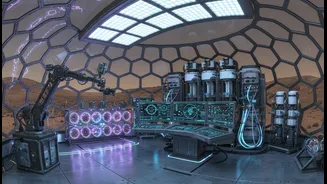
In a hangar at NASA's Johnson Space Center sits a 1,700-square-foot habitat 3D-printed to resemble a Martian base. This structure, called Mars Dune Alpha, is home to a four-person volunteer crew for 378 days at a time. This is CHAPEA, or Crew Health and
Performance Exploration Analog, a series of missions designed to understand the intense pressures of living on another world without ever leaving Earth. The crew isn't just sitting around; they are living a fully simulated Martian life, complete with realistic workloads, equipment, and constraints. This Earth-based mission is crucial for gathering data that is impossible to collect in the perils of deep space, making it a cost-effective and safe way to prepare for humanity's next giant leap.
The Mental Marathon of Isolation
One of the biggest hurdles for any long-duration space mission is the immense psychological toll. CHAPEA is designed to test this mental marathon by subjecting the crew to the same isolation, confinement, and distance from Earth that real astronauts will face. Communication with 'Mission Control' is intentionally delayed by up to 22 minutes each way, mimicking the time it takes for signals to travel between Earth and Mars. During certain phases, they even experience total communication blackouts. Researchers are closely monitoring how the crew copes with stress, depression, and fatigue, knowing these factors can significantly impact decision-making and team cohesion, which are vital for mission success. Astronauts need privacy and meaningful work, like tending to gardens, to help ward off the mental strain.
Problem-Solving on the Red Planet
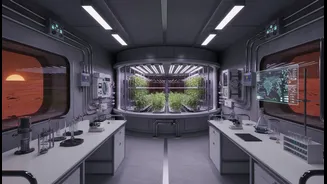
Life inside the habitat is a constant test of resilience and ingenuity. The crew's daily schedule includes a wide range of tasks designed to simulate real Martian operations. They conduct simulated spacewalks using virtual reality, perform scientific research, manage crop growth for fresh food, and maintain their habitat and equipment. A key part of the simulation involves introducing unexpected problems, such as resource limitations and equipment failures. How the crew works together to troubleshoot a faulty life support system or ration supplies after a failed resupply is just as important as any data they collect. This focus on operational challenges helps NASA develop better procedures and support systems for crews who will have to solve life-or-death problems with no immediate help from Earth.
Keeping a Healthy Crew
Beyond the psychological strain, physical health is a major concern. NASA uses CHAPEA to study how diet, exercise, and sleep are affected by the unique environment. The crew follows a specific fitness regimen to combat the theoretical effects of reduced gravity and maintains a diet of space-ready foods. Data on their physical health and performance is collected continuously. The goal is to understand how the body adapts and what interventions are needed to ensure astronauts remain healthy and capable throughout a multi-year mission. The insights gained from the CHAPEA missions will directly inform everything from the food systems on future spacecraft to the design of exercise equipment and medical protocols for the first humans on Mars.