






The Forest's Unseen Gardeners
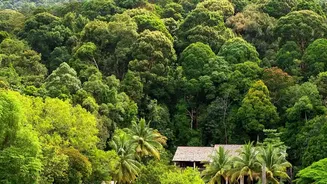
Every forest is a bustling community, but some of its most crucial work happens quietly. The process is called zoochory: the dispersal of seeds by animals. More than half of all plant species, and up to 90% of trees in tropical rainforests, depend on
animals to carry their seeds away from the parent plant. This act is more than just a free ride. It gives the next generation of trees a chance to find sunlight, soil, and space to grow, preventing overcrowding and competition. Animals like birds, bats, rodents, and even ants act as nature's gardeners, ensuring the forest can regenerate, expand, and maintain its genetic diversity.
A Landmark Global Analysis
While the headline mentions a 186-species study, recent large-scale research has synthesized data from thousands of species and locations to create a global picture. One major study published in 'Proceedings of the National Academy of Sciences' analyzed data from over 3,000 tropical forest sites. Researchers used this vast dataset to create a global map of "seed dispersal disruption," showing where the loss of animals is most severe. The findings were stark: they estimated that 81% of tropical trees rely on animals for dispersal, linking the fate of forests directly to the health of their animal populations. This work moves beyond localized observations, providing a comprehensive look at a worldwide ecological service.
The Surprising Stars of Seed Spreading
While we might picture large, majestic animals, many of the most effective seed dispersers are small and often overlooked. Rodents like squirrels and agoutis are famous for synzoochory, where they bury nuts and seeds to store for later. Many of these caches are forgotten, becoming perfectly planted new trees. Birds and bats are champions of endozoochory, consuming fruits and depositing the seeds miles away in their droppings. This digestive journey can even help seeds germinate faster and more successfully. The research highlights that a diversity of animals is key; different species disperse different types of seeds over various distances, creating a complex and resilient ecosystem. Some plants even depend on a single animal species, like the Brazil nut, which relies on the agouti.
The Fragile Web of Interdependence
This partnership between plant and animal is ancient but increasingly fragile. Human activities like deforestation, hunting, and habitat fragmentation are causing a sharp decline in seed-dispersing animals. The consequences are severe. A major review found that the loss of these animals has already cut the number of seeds dispersed far enough to track climate change by more than half. When these animal partners disappear, forests can become "empty," losing their ability to recover from disturbances like fires or logging. Studies show that forests with healthy animal populations can store significantly more carbon, meaning that protecting wildlife is also a critical climate solution. The loss of even small creatures can have a cascading effect, reducing a forest's resilience and its capacity to support other life.
Why This Matters for India's Forests
The principles from these global studies are deeply relevant to India's diverse ecosystems. From the great hornbills of the Western Ghats to the Indian giant squirrel, the country is home to a vast array of fruit-eating species that are vital for forest health. As landscapes change, maintaining corridors that allow these animals to move between forest patches becomes crucial. Research shows that even small, isolated patches of forest struggle to recover without the help of animal dispersers. Protecting these often-unseen gardeners is not just about conserving individual species; it's about ensuring the long-term survival and vitality of India's precious forest heritage for generations to come.