



Prioritise Drainage Above All
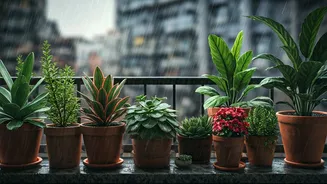
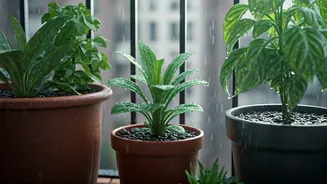
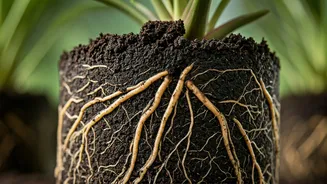
The single biggest threat to potted plants during heavy rains is waterlogged soil, which leads to root rot. Before the monsoon truly sets in, ensure every pot has clear, unobstructed drainage holes. If pots are sitting flat on the balcony floor, water can't
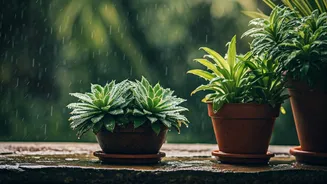
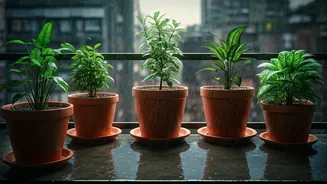
escape easily. Elevate them using pot feet, bricks, or small stands to improve airflow and allow excess water to drain away freely. It’s also wise to check that your balcony's main drain is clear of leaves and debris to prevent water from pooling on the floor. During this season, remove any saucers or trays from under the pots, as they will collect stagnant water and keep the soil constantly saturated.
Adjust Your Watering Schedule
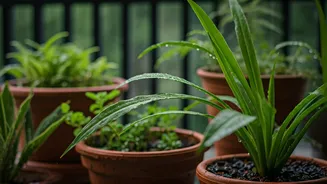
It may seem counterintuitive, but you still need to manage watering during the rainy season. Don't assume the rain is doing all the work. On days without downpours, the high humidity might keep the topsoil looking damp, but the roots could still be dry. Conversely, frequent showers can oversaturate the soil. The rule is simple: always check the soil before you water. Stick your finger about two inches into the soil; if it feels moist, hold off on watering. When you do water, do so in the morning to allow the leaves and soil surface to dry during the day, which helps minimise the risk of fungal growth.
Shelter and Support Your Plants
Heavy rain and strong winds can physically damage your plants, breaking stems and tearing leaves. Identify your most delicate plants, like succulents or those with soft foliage, and move them to a covered part of the balcony. For taller plants that might bend or snap in the wind, provide support by staking them with small sticks. Grouping pots closely together can also offer some mutual protection from strong gusts. If your balcony is very exposed, you can install temporary barriers like bamboo screens or even a waterproof curtain to block sideways rain and harsh winds during a storm.
Guard Against Pests and Fungi
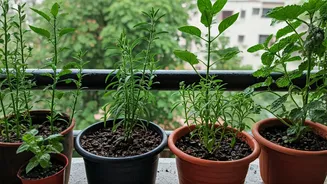
The damp, humid conditions of the monsoon are a breeding ground for pests like slugs, snails, and mealybugs, as well as fungal diseases like powdery mildew and root rot. To combat this, ensure good air circulation by spacing your plants out and pruning any dense foliage. Regularly inspect the undersides of leaves and the soil surface for any signs of trouble. A preventative spray of neem oil mixed with a little liquid soap can be a powerful organic solution to keep pests and fungi at bay. Also, make it a habit to remove any fallen leaves or dead plant matter from the pots and balcony floor, as they can harbour pests and diseases.
Choose Monsoon-Friendly Plants
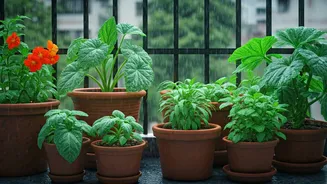
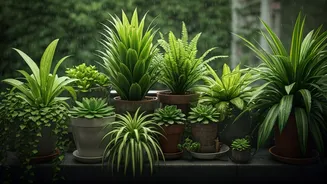
While you can protect the plants you have, you might also consider adding some species that thrive in the Indian monsoon. Plants that love humidity and can tolerate moist soil are excellent choices. Consider adding tropicals like Monstera, Peace Lily, Areca Palm, and various ferns to your collection. Flowering plants like Periwinkle, Balsam, and Rain Lilies also perform beautifully during this season, adding vibrant colour to your green space. These plants are naturally resilient to the wet conditions and will be easier to manage, ensuring your balcony remains a lush and cheerful space throughout the rains.
Manage Soil and Nutrition
Continuous heavy rain can compact the soil in your pots, reducing aeration and stressing the roots. Gently loosen the top layer of soil periodically with a small trowel or fork to help it breathe and dry out faster. Heavy rainfall can also wash away essential nutrients from the soil. It's a good idea to replenish them by adding some organic compost or vermicompost every few weeks. However, be careful not to over-fertilise, as excess fertiliser in already wet soil can burn the roots. Applying a layer of mulch, such as bark chips or dry leaves, can also help protect the soil and retain nutrients.