





The Rise of the 10-Minute Meal
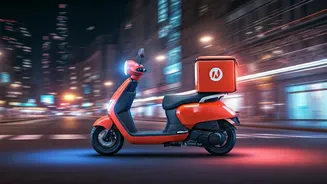
The food delivery landscape in India has transformed from a weekend treat to a daily utility. The most significant driver of this shift is speed. Platforms like Swiggy and Zomato, along with quick-commerce players like Blinkit and Zepto, have weaponised
time, shrinking delivery windows from a leisurely 45 minutes to an almost unbelievable 10 to 20 minutes. This isn't just about convenience; it's about instant gratification. The promise of a hot meal arriving faster than you could decide what to cook has fundamentally altered consumer expectations. This ultra-fast model, which started with groceries, has now aggressively moved into prepared foods, partnering with restaurants and leveraging 'dark kitchens' to ensure popular dishes are ready to go. This has created a new category of consumption, where the decision to order is as impulsive as grabbing a snack.
Beyond the Metro Phenomenon
While this trend was born in the bustling metros of Bengaluru, Mumbai, and Delhi, its influence is rapidly spreading. The online food delivery market's next phase of growth is being driven by increased order frequency and expansion into Tier-2 and Tier-3 cities. As smartphone penetration and digital payment systems become universal, the convenience of app-based ordering is finding fertile ground across the country. This expansion is supported by a growing network of cloud kitchens and restaurant partnerships, making a wide variety of cuisines accessible even in smaller urban centres. What was once a big-city luxury is quickly becoming a nationwide standard, reshaping eating habits far beyond the traditional tech hubs.
The New Meaning of Convenience
To understand why food delivery feels so essential, we need to look beyond laziness. For many urban Indians, life is defined by time poverty. Busy schedules, long commutes, and the rise of dual-income households mean that the hours once dedicated to meal planning and preparation have vanished. Food delivery apps solve a genuine problem: decision fatigue. According to Swiggy's CEO of Food Marketplace, Rohit Kapoor, meals today have to fit into tighter schedules and changing priorities. Ordering in outsources the entire mental load of cooking—from planning and shopping to the actual cooking and cleaning. Convenience is no longer just about saving time; it's about conserving precious mental energy in an increasingly demanding world.
Reshaping India's Kitchen Culture
This behavioural shift is having a profound impact on the role of the home kitchen. While home cooking for special occasions remains cherished, daily culinary habits are changing. One 2025 study noted that food delivery apps have reduced home-cooking frequency by a significant margin. For many young professionals and students living away from home, ordering online has replaced the daily tiffin service or the effort of preparing simple staples. This has also spurred a counter-trend: a rising demand for app-based 'homely' food services, offering simpler, less oily meals that mimic 'ghar ka khana'. This indicates a complex relationship with food apps—while consumers crave the convenience, they also seek the comfort and perceived health benefits of a home-cooked meal, a niche that platforms are now trying to fill.
The Economics of an Instant Meal
A crucial element making this shift possible is affordability. Intense competition between platforms has resulted in frequent discounts, loyalty programs, and curated meal combos that can often rival the cost of cooking at home, especially for individuals. The organised food services market is expanding rapidly, with delivery-led formats offering greater consistency and value. Cloud kitchens, which operate without a physical storefront, have lower overheads, allowing them to offer competitive pricing. This economic accessibility, combined with the sheer variety of options available at every price point, has firmly cemented food delivery not just as a convenience, but as a viable and often practical everyday choice for a massive segment of the population.