





The humble potato is a cornerstone of Indian cuisine, but what if this staple could do more for our health? Scientists in India have developed a vibrant purple potato that promises to pack a powerful nutritional punch, potentially changing the way we see
the aloo.
Meet Kufri Jamunia: The New Aloo in Town
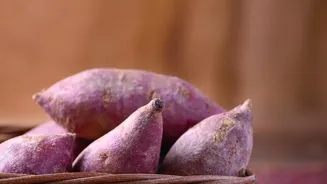
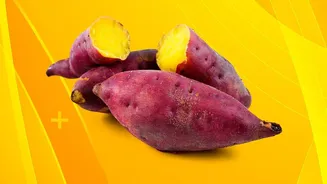
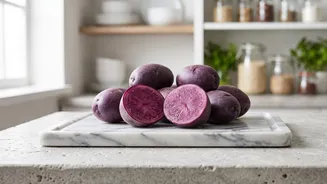
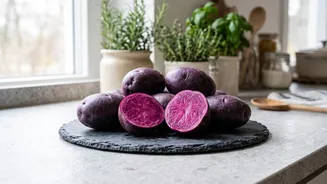
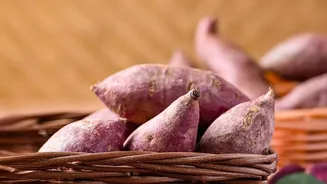
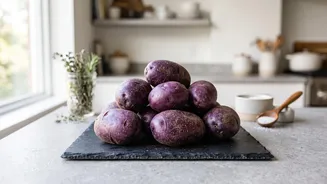
A new variety of potato with a deep purple skin and flesh is making waves in India’s agricultural landscape. Developed by the ICAR-Central Potato Research Institute (CPRI), this potato, named 'Kufri Jamunia', is not the result of artificial colouring but of careful plant breeding. Released in 2024, it is the latest in a series of coloured potatoes from the institute, which includes the purple-skinned 'Kufri Neelkanth' and the red-skinned 'Kufri Manik'. Unlike its predecessors which had coloured skin but yellow or cream flesh, Kufri Jamunia is purple through and through, a visual cue to its unique nutritional properties. This development is part of a broader scientific effort known as biofortification, which aims to enhance the nutritional value of staple crops to combat 'hidden hunger'—a lack of essential micronutrients despite sufficient calorie intake.
The Science Behind the Vibrant Colour
The striking purple hue of Kufri Jamunia comes from a high concentration of natural pigments called anthocyanins. These are the same powerful antioxidants found in other purple, blue, and red foods like jamun, blueberries, and red cabbage. Anthocyanins are known for their health-promoting properties, including acting as antioxidants that help protect the body's cells from damage caused by unstable molecules called free radicals. Research suggests that a diet rich in anthocyanins may be linked to a variety of health benefits, including better cardiovascular health and reduced inflammation. By breeding these compounds into a widely consumed staple like the potato, scientists hope to deliver these benefits to a larger population without requiring major changes to dietary habits.
A Nutritional Powerhouse
Kufri Jamunia is more than just a colourful novelty; it boasts a significantly enhanced nutritional profile compared to conventional potatoes. Per 100 grams, it contains considerably higher levels of Vitamin C (42.75 mg), iron (3.22 mg), and zinc (2.28 mg). These micronutrients are crucial for a healthy immune system, energy production, and overall well-being. The purple variety's main advantage is its high antioxidant content, which includes not only anthocyanins but also carotenoids. Some studies on other purple potatoes have indicated potential benefits such as improved blood pressure and a lower impact on blood sugar levels compared to white potatoes, partly because their polyphenol compounds can slow the absorption of starch. This makes Kufri Jamunia a compelling option for those looking to get more nutritional value from their everyday meals.
From the Lab to the Farmer's Field
The development of Kufri Jamunia is a testament to the focus on creating crops that are not only nutritious but also viable for farmers. It is a medium-maturing variety that takes about 90–100 days to be ready for harvest. Agricultural trials have shown impressive results, with yields of 32–35 tonnes per hectare under standard practices. The variety is considered suitable for cultivation across the North Indian plains, including states like Punjab, Haryana, Uttar Pradesh, and Bihar. Furthermore, it has good storage qualities, with a dormancy period of 6–8 weeks, meaning the tubers don't sprout quickly and have a good shelf life with minimal spoilage. This combination of high yield and robust storage makes it an attractive proposition for farmers, which is a critical step for the new variety to become widely available.
When Can You Expect It on Your Plate?
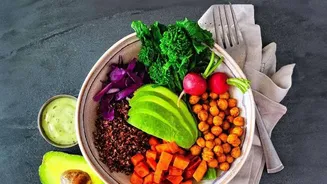
While Kufri Jamunia was officially released in 2024, it will take some time before it becomes a common sight in local vegetable markets. The next steps involve scaling up seed production and encouraging farmers to adopt the new variety. Its culinary versatility is a major plus; with a mealy texture, it is suitable for traditional curries and parathas, but also for processed products like flour and breakfast items. Consumer acceptance will be key, and its unusual colour could be both a point of curiosity and a hurdle. However, with growing awareness around healthy eating and the government's push for biofortified crops, this purple potato has a strong potential to find its way into Indian kitchens in the coming years, adding both colour and a wealth of nutrients to the national diet.