







Pack Smart with the Right Fabrics
The foundation of a comfortable rainy trip is your clothing. Heavy fabrics like cotton and denim are a poor choice as they absorb moisture and take a long time to dry. Instead, opt for lightweight, synthetic, and quick-drying materials like nylon and polyester.
These fabrics wick moisture away from your skin, keeping you comfortable even if you get slightly damp. Packing an extra pair of clothes is also a wise move. A foldable umbrella and a lightweight, breathable raincoat are non-negotiable essentials for any monsoon journey.
Waterproof Your World
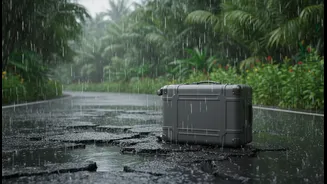
Protecting your belongings from water damage is crucial. Most backpacks are water-resistant, not fully waterproof. To secure your essentials, invest in a good-quality waterproof backpack cover. For an extra layer of protection, line your main bag with a large plastic bag or a dedicated pack liner. Use smaller zip-lock pouches or dry bags to compartmentalise and safeguard your electronics, wallet, important documents, and chargers. This double-protection strategy ensures your valuables stay dry even during a sudden, heavy downpour.
Choose Your Footwear Wisely
The right footwear can make or break your trip. Leather and suede shoes are easily ruined by water and should be left at home. Instead, choose waterproof shoes with a strong grip to prevent slipping on wet, slick surfaces. Options like rubber boots, floaters, or sandals with good traction are ideal for navigating wet streets and muddy paths. Getting your feet wet can lead to fungal infections, so always carry a few extra pairs of quick-drying socks to keep your feet as dry and clean as possible.
Prioritise Health and Safety
The monsoon season can bring an increase in water-borne diseases and insects like mosquitoes. Pack a basic first-aid kit that includes antiseptic wipes, bandages, and medication for common ailments like fever or an upset stomach. Always carry an insect repellent to protect against mosquito bites, which can transmit diseases like dengue and malaria. It's also advisable to drink only bottled or purified water and be cautious about street food, which may be exposed to contamination.
Plan for a Flexible Itinerary
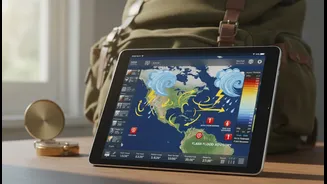
Rain can cause unexpected delays and force changes to your plans. When creating your itinerary, build in some flexibility. Research indoor activities at your destination, such as museums, art galleries, or cosy cafes, that you can enjoy if the weather turns against you. Before you leave and during your trip, keep a close eye on the weather forecast. This allows you to schedule outdoor activities for clearer moments and have backup plans ready for when the rain is too heavy to venture out.
Take Extra Caution on the Roads
If your weekend trip involves a road journey, vehicle preparedness and cautious driving are paramount. Before you start, ensure your car's tyres, brakes, and windscreen wipers are in excellent condition. On the road, reduce your speed, as braking distances increase significantly on wet surfaces. Maintain a safe distance from the vehicle in front of you—at least double what you would in dry conditions. Use your headlights on a low beam setting even during the day to improve your visibility to other drivers. Avoid driving through waterlogged areas if you are unsure of the depth.