



The Fluffy, Steamed Wonder: Dhokla
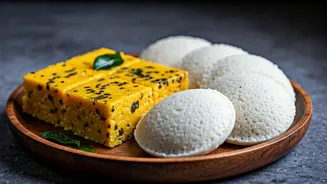
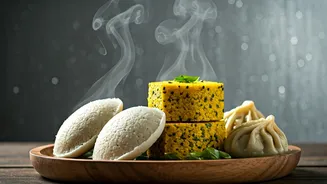
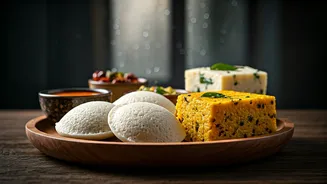
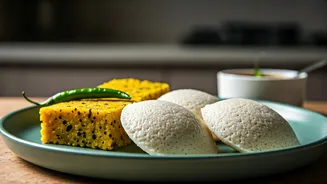
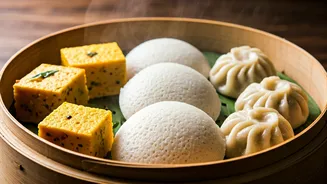
Let's start with a snack that is the very definition of light and airy. Hailing from Gujarat, dhokla is made from a fermented batter of gram flour (besan) or rice and split chickpeas. The magic here is the preparation method: steaming. The batter is poured
into a shallow dish and steamed until it rises into a spongy, delicate cake. It's then cut into squares and often finished with a minimal tempering (tadka) of mustard seeds, curry leaves, and a touch of asafoetida. It’s savoury, slightly tangy, and incredibly light on the stomach, proving that you don't need oil to create a satisfying snack.
The All-Day Favourite: Poha
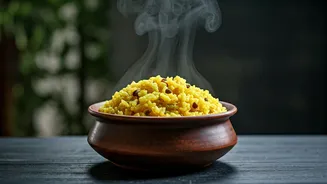
Is it breakfast? Is it a 4 PM snack? The beauty of poha is that it's whatever you want it to be. Made from flattened rice flakes, poha is a staple across Central and Western India. The flakes are briefly soaked to soften them and then lightly sautéed with onions, potatoes, peanuts, and spices. The process uses very little oil—just enough to toast the spices and cook the vegetables. It’s a wholesome, customisable, and quick-to-make dish that provides sustained energy without weighing you down. From the Kanda Poha of Maharashtra to the Indori Poha topped with sev, it’s a national treasure.
The South Indian Staple: Idli
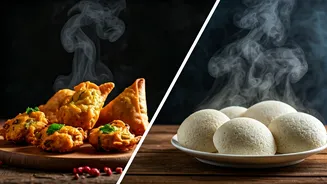
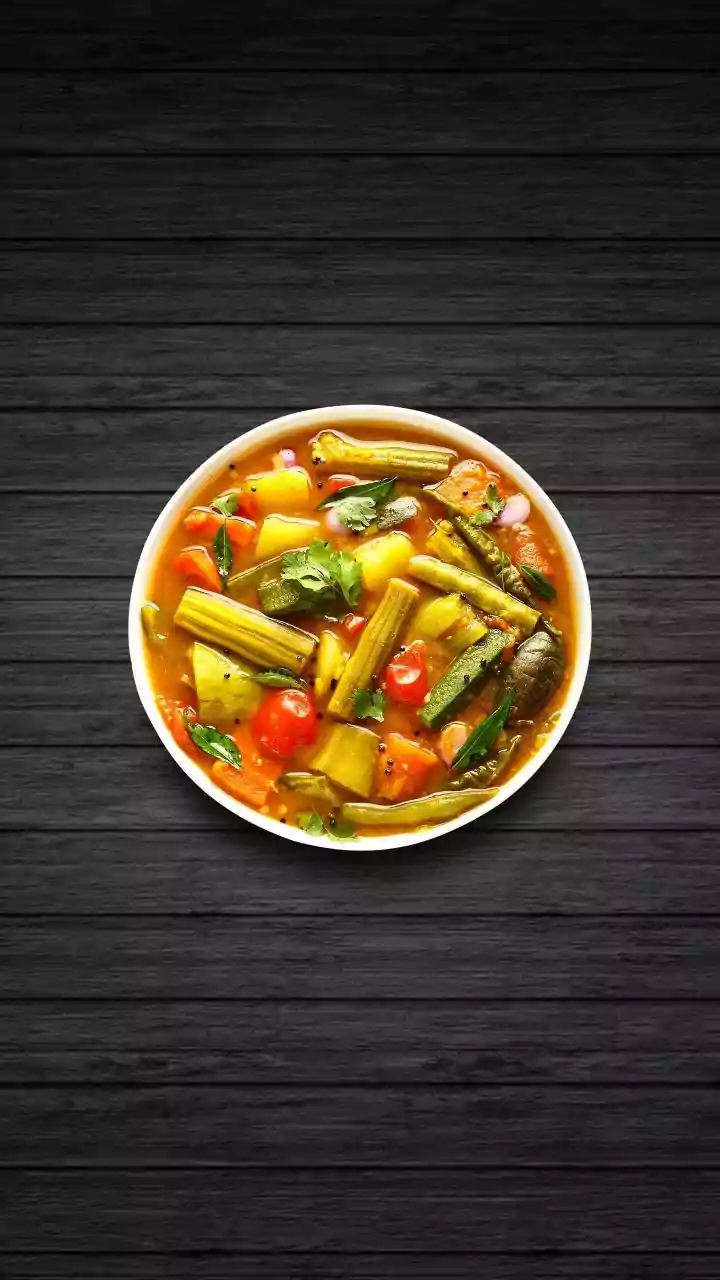
No list of healthy Indian snacks would be complete without the humble idli. These soft, pillowy discs are another triumph of fermentation and steaming. A batter of ground rice and urad dal (black lentils) is left to ferment overnight, which not only develops its flavour but also increases its nutritional value and digestibility. The idlis are then steamed in moulds without a single drop of oil. Served with sambar and coconut chutney, they form a balanced meal that’s gentle on the digestive system. It’s the perfect example of how ancient Indian food science prioritised both health and taste.
The Crunchy, Healthy Bite: Makhana
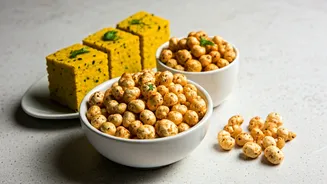
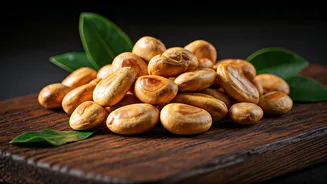
If you're craving something crunchy to munch on while watching a movie, put down the potato chips and pick up a bowl of makhana (fox nuts or lotus seeds). These puffed seeds are a nutritional powerhouse, packed with protein, magnesium, and potassium. Traditionally, they are dry-roasted in a heavy-bottomed pan until they become light and crisp. You can add a pinch of salt, pepper, or other spices for flavour. A tiny spoonful of ghee can be used for extra flavour, but it's not essential. Makhana offers that satisfying crunch we all seek, entirely guilt-free.
The Delicate Roll: Khandvi
Another gem from Gujarati cuisine, khandvi is as much a work of art as it is a snack. It's made from a smooth, thin batter of gram flour and buttermilk, which is cooked slowly until it thickens. The warm mixture is then spread thinly onto a flat surface, and as it cools, it's carefully rolled into delicate, bite-sized cylinders. Like dhokla, it's finished with a light tempering of mustard seeds and garnished with grated coconut and coriander. The texture is silky smooth and melts in your mouth. It’s a testament to how technique, not oil, can create incredible textures and flavours.
The Versatile Sprout: Sundal
Popular in South India, especially during festivals, sundal is a simple, savoury, and protein-rich snack made from legumes like chickpeas, black-eyed peas, or green gram. The process involves boiling the chosen legume until tender and then tossing it in a light tempering of mustard seeds, urad dal, curry leaves, and dried red chillies, often with a sprinkle of fresh coconut. It’s incredibly versatile and can be eaten warm or at room temperature. Sundal is filling, flavourful, and a fantastic way to incorporate more plant-based protein into your diet.