







The Undiscovered Gem of Indian Teas
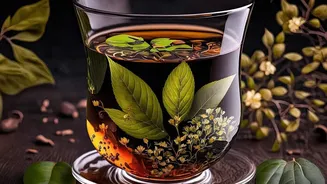
While Assam and Darjeeling often take the spotlight, the Nilgiri hills of Southern India produce some of the world's most aromatic and satisfying teas. Grown in the 'Blue Mountains', Nilgiri tea is known for its bright, fragrant, and full-bodied character.
What truly sets it apart, especially for iced beverages, is its remarkably low level of bitterness and tannins. It has a naturally smooth, mellow taste with subtle fruity and floral notes, making it an exceptional base that doesn't require sugar to be enjoyable. When chilled, it doesn't cloud over like other black teas, resulting in a crystal-clear, beautifully golden brew.
Why Cold Brewing Makes a Difference
The magic of cold brewing lies in its gentle, slow extraction process. Instead of using hot water, tea leaves are steeped in cold water for several hours, typically overnight in the refrigerator. This method draws out fewer tannins, the compounds that can make tea taste astringent or bitter. The result is a much smoother, naturally sweeter brew. For those looking to reduce their sugar intake, this is a significant advantage. A less bitter tea means there's little to no need for added sweeteners, allowing the delicate flavours of the tea and fruit to shine. Additionally, while some studies show a trade-off in antioxidant levels, others suggest cold brewing can preserve certain delicate compounds and might be gentler on the stomach.
A Celebration of Regional Indian Fruits
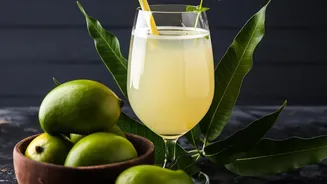
This is where Nilgiri cold brew truly comes alive. Infusing the tea with regional fruits creates a drink that is both unique and deeply rooted in local flavours. The tea’s balanced profile provides the perfect canvas. For a tart and tangy kick, consider using Jamun (Indian Blackberry) or Kokum. Jamun is packed with antioxidants and offers a beautiful deep purple hue, while Kokum provides a unique sourness and is known for its cooling properties. For a more fragrant and subtly sweet infusion, Bael (Wood Apple) is an excellent choice. When dried and steeped, it releases a scent reminiscent of marmalade and roses. Other fantastic options include the sweet and tart Rasbhari (Cape Gooseberry), luscious Lychee, or even seasonal mango varieties, each adding its own distinct personality to the brew without the need for processed syrups.
Crafting Your Own Nilgiri Cold Brew at Home
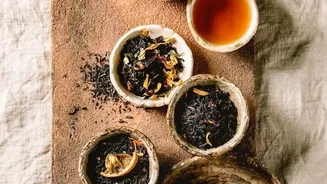
Making your own fruit-infused cold brew is surprisingly simple. You don't need any special equipment, just a large pitcher or jar. Start with a basic ratio: use about one tablespoon of loose-leaf Nilgiri tea (or two tea bags) for every litre of cold, filtered water. Add your chosen fresh or dried fruit directly into the pitcher with the tea. For fruits like Jamun or berries, you can lightly muddle them to release more juice. For dried Bael, a few slices are enough to impart significant flavour. Cover the pitcher and place it in the refrigerator for 8 to 12 hours, or overnight. The next morning, simply strain the tea to remove the leaves and fruit pieces. The result is a refreshing, flavourful, and healthy drink ready to be enjoyed over ice.