





The Ultimate Space-Saving Tool
Vacuum compression pouches are essentially airtight plastic bags designed to remove excess air from soft goods, shrinking their volume significantly. By removing trapped air, they can reduce the space your clothes take up by as much as 60-75%. This makes
them a game-changer for travellers looking to maximize their luggage space, especially for carry-on only trips. There are two main types available for travel: manual roll-up bags and those that use a small, often portable, pump. For convenience on the go, manual roll-up bags are fantastic because you don't need to pack a pump or worry about finding a vacuum at your destination. You simply pack the bag, seal it, and roll it tightly to force the air out through a one-way valve.
Perfect for the Beach Trip Challenge
A beach getaway presents a unique packing challenge. Beach towels are bulky, and you'll likely want multiple swimsuits, cover-ups, and outfits for evenings out. This is where compression pouches shine. You can dedicate one pouch to your towel, another to your swimwear and casual t-shirts, and another for shorts and sundresses. Not only does this save an incredible amount of space, but it also keeps your bag highly organized. You can easily separate clean clothes from sandy, damp items on your return journey. The airtight seal also provides protection against accidental spills from your toiletries or getting caught in a sudden downpour.
A Step-by-Step Packing Method
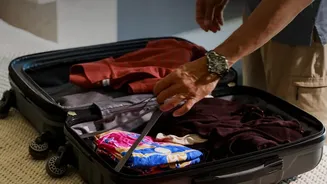
Using compression pouches effectively is simple. First, neatly fold or, even better, roll your clothes. Rolling is widely considered the best method for minimizing deep-set wrinkles. Place the rolled items flat inside the pouch, being careful not to overstuff it. Leave a bit of space near the zipper to ensure you can get a clean, airtight seal. Run your fingers firmly along the zip-lock closure a few times to make sure it's completely sealed. If you're using a roll-up bag, start rolling from the zipper end towards the bottom, pushing the air out through the valve. For pump-style bags, attach the pump to the valve and remove the air until the bag is flat and compact. A pro tip is to place the filled bag inside your suitcase before removing the air, allowing it to conform to the available space.
What to Pack and What to Avoid
These bags are ideal for soft, pliable items. Think t-shirts, shorts, cotton dresses, swimwear, and, of course, that space-hogging beach towel. They are also great for puffy items like a light jacket for cool evenings. However, not everything benefits from being vacuum-packed. Avoid compressing delicate fabrics like silk, which can get permanent creases. Leather and suede should also be left out, as the compression can cause them to dry out and crack. Anything with sharp details, like heavy beading or sequins, could be damaged or puncture the bag itself. It's also best to avoid compressing structured items like blazers or down-filled jackets for long periods, as it can crush the fibers and reduce their loft over time.
Managing the Wrinkle Factor
The main drawback of using vacuum compression is the potential for wrinkles. Because the clothes are packed so tightly, some creasing is almost inevitable. However, the severity often depends on the fabric and how you pack. Rolling your clothes before compressing can significantly reduce sharp creases compared to folding. High-quality bags that offer smooth compression also help prevent clothes from shifting and bunching up. Be prepared to deal with some light wrinkles upon arrival. You can hang your clothes in the bathroom while you take a hot shower to let the steam relax the fibers, pack a small wrinkle-releaser spray, or simply use the iron at your hotel or rental. For many travellers, the trade-off of a few manageable wrinkles for the ability to travel light is well worth it.