


A Monsoon Ritual
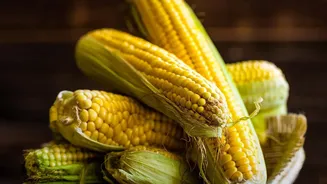
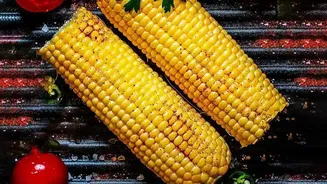
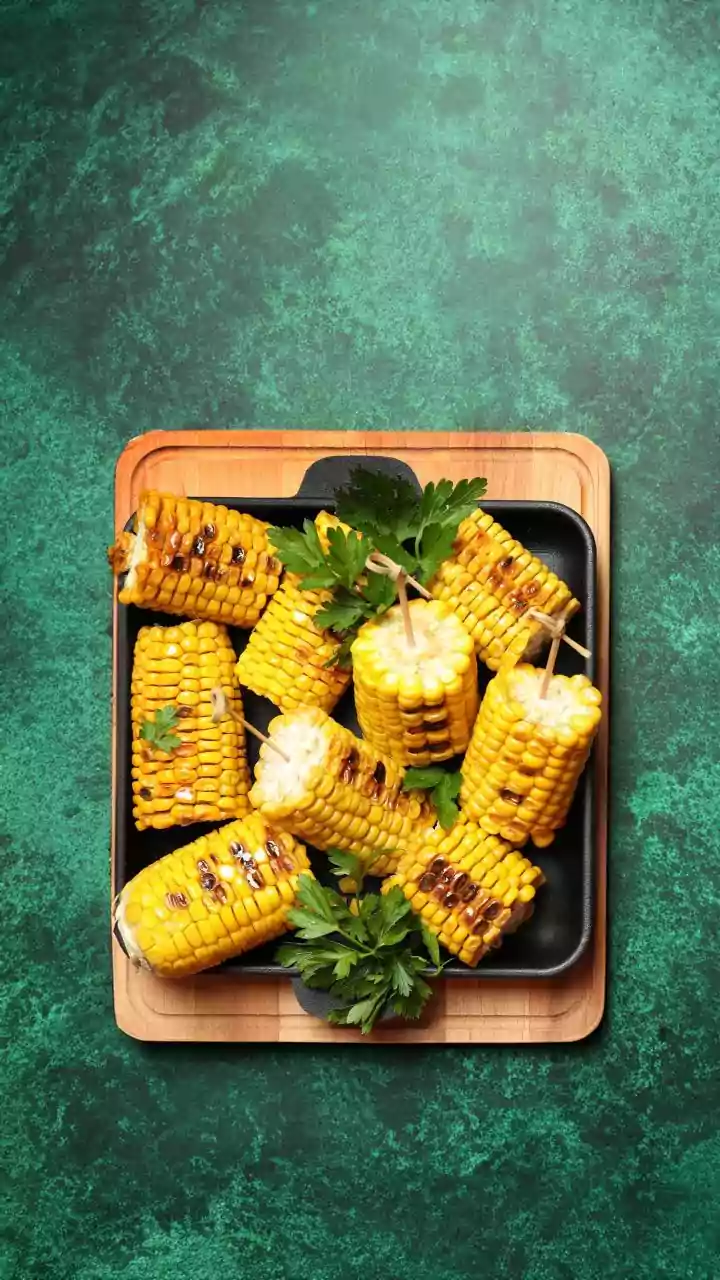
Few things are as deeply intertwined with the Indian monsoon as a hot, freshly roasted corn on the cob. While corn is technically a summer crop, its arrival in markets coincides perfectly with the rainy season, making it the unofficial flavour of the monsoons.
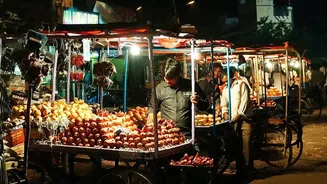
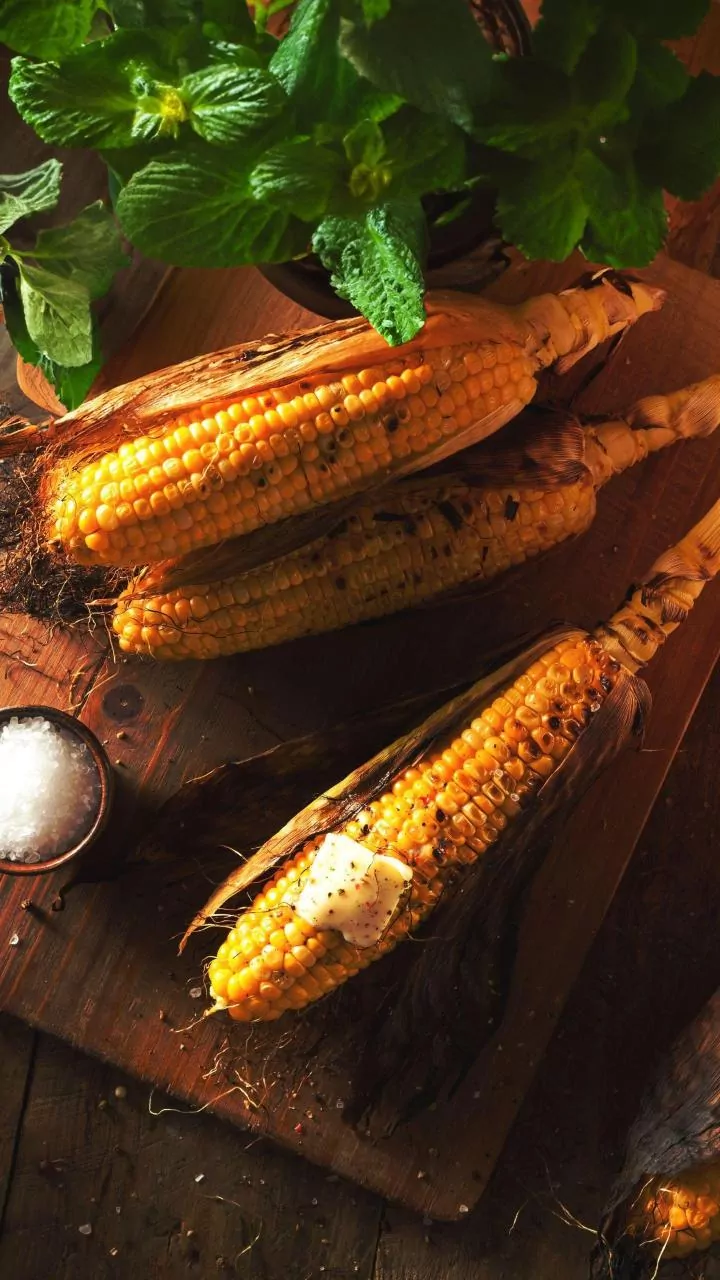
Across the country, from bustling city streets to quiet mountain roads, the sight of a bhutta-walla fanning embers under a large umbrella is a quintessential image of this time of year. The craving is almost instinctual; the cool, damp weather creates a desire for something warm and comforting. The simple act of huddling under an awning, watching the vendor expertly turn the cob over the coals until it's perfectly charred, is a ritual in itself.
The Art of the Perfect Bite
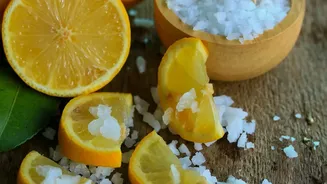
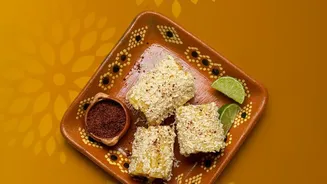
What elevates bhutta from a simple snack to a national treasure is the final flourish of flavour. The magic lies in its preparation. Once the kernels are roasted to a smoky perfection, the vendor takes half a lemon, dips it into a potent mix of salt, red chilli powder, and often chaat masala, and rubs it generously over the entire cob. This combination of smoky, sweet, tangy, and spicy is a flavour explosion that is both simple and profoundly satisfying. It’s a taste that awakens the senses and perfectly complements the moody, atmospheric backdrop of a rainy day. This seasoning is what makes the Indian masala bhutta a unique experience, distinguishing it from roasted corn found elsewhere in the world.
More Than Just a Snack
The love for bhutta transcends age, class, and region. It's a great leveller—a simple pleasure enjoyed by everyone from schoolchildren with pocket money to executives in their cars who pull over for a quick bite. This shared experience fosters a sense of community and nostalgia. For many, the taste of bhutta is intrinsically linked to cherished memories: of childhood holidays, of walks with friends after school, or of long drives through the countryside with family. It is an affordable luxury, a comforting presence that has remained constant through changing times and culinary trends. In a world of complex dishes and fleeting food fads, the enduring appeal of bhutta lies in its rustic simplicity.
A Bite of History
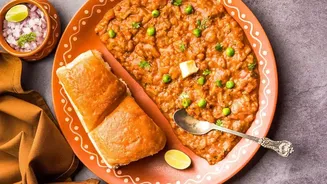
Interestingly, the corn that feels so quintessentially Indian is a relatively new entrant into the country's vast agricultural history. Most historians believe corn was introduced to India by Portuguese traders around the 16th or 17th century, having originated in Mexico thousands of years ago. However, some evidence, such as sculptures in ancient Hoysala temples in Karnataka from the 12th and 13th centuries depicting what appears to be corn cobs, has sparked debate about an earlier presence on the subcontinent. Regardless of its exact arrival, corn, or 'makai', has been thoroughly embraced, finding its way into countless regional dishes, from Punjab's 'makki ki roti' to Tamil Nadu's 'sundal'. Yet, it is the humble roasted bhutta that remains its most iconic form.