






The Foundation: Hygiene First
Before you even think about packing, the journey to safe travel food begins with clean preparation. Foodborne illnesses are a real risk, especially in warmer climates where bacteria can multiply quickly. The first rule is simple: wash your hands thoroughly
with soap and water for at least 20 seconds before handling any food. Ensure all cooking surfaces, utensils, and containers are spotless. When preparing food, cook it completely to kill any harmful bacteria. This is particularly important for meats and poultry, which should be cooked to their recommended internal temperatures. Cleanliness is not just a suggestion; it's the most critical step in preventing an upset stomach from ruining your trip.
Pack Smart, Travel Happy
How you pack is just as important as what you pack. The goal is to maintain food quality and prevent leaks and spills. Invest in good quality airtight and leak-proof containers. This not only prevents messes but also keeps food fresh by protecting it from air and moisture. When packing a cooler, a little strategy goes a long way. Use frozen gel packs or ice to keep perishable items at or below 40°F (4°C), the temperature needed to inhibit bacterial growth. It's wise to use two separate coolers if possible: one for drinks, which will be opened frequently, and another for perishable foods, which should remain sealed as much as possible to retain the cold. Always keep raw meats securely wrapped and separated from ready-to-eat foods like fruits and sandwiches to avoid cross-contamination.
The Hall of Fame: Low-Mess Travel Foods
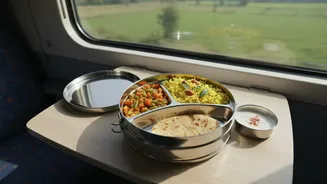
The best travel foods are delicious, easy to eat, and don't leave a trail. For Indian journeys, some classics have earned their place for a reason. Theplas and khakhras are dry, long-lasting, and perfect for snacking. Aloo-puri, when made with a dry potato sabzi, is a classic that holds up well for a day or two. Idlis, upma, and poha are excellent choices as they are not messy and are easy to digest. Sandwiches with fillings like tomato and butter, or dry vegetable preparations wrapped in a roti are also great options. Don't forget non-perishable snacks like nuts, whole fruits like bananas and oranges, and roasted chana (chickpeas) to handle hunger pangs between meals.
Portion Control for a Tidy Trip
The 'low-mess' part of the equation often comes down to portioning. Instead of packing large containers that need to be opened and shared repeatedly, pack individual servings. This is especially useful when travelling with family or a group. Packing single parathas in foil, putting sabzi in small individual containers, or wrapping idlis in pairs makes them easy to distribute and consume without requiring extra plates or creating a mess. It also minimizes the time a larger container of food is left open, reducing exposure to air and potential contaminants. This approach is not just tidier but also more hygienic, as it avoids multiple hands dipping into the same container.
Foods to Leave at Home
Just as important as knowing what to pack is knowing what to avoid. Highly perishable items are a definite no. This includes foods with creamy sauces, dairy-heavy dishes like raita, and anything that can spoil quickly without constant, reliable refrigeration. Items with strong, lingering odours can also be inconsiderate to fellow travellers in enclosed spaces like train compartments. Avoid anything that is overly juicy or has a liquid gravy, as these are prime candidates for messy spills, no matter how well you think they are packed. Similarly, pre-cut fruits can be risky; it's better to carry whole fruits and cut them just before eating.