




What Happened on August 26?
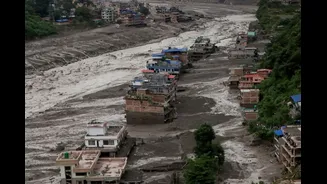
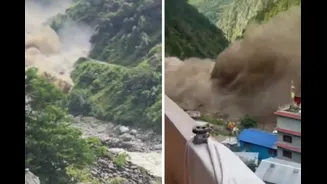
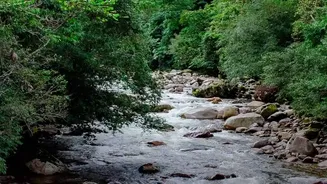
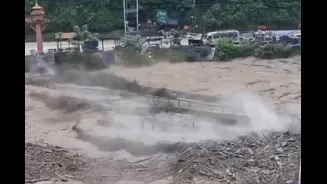
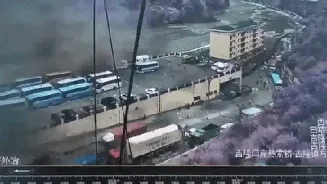
On the morning of August 26, 2026, a sudden and massive torrent of water, mud, and debris surged down the Lhende Khola, a river that flows from Tibet into Nepal, joining the Bhote Koshi river system. The flash flood struck without the warning of heavy
rainfall, catching residents completely by surprise. The wall of water, described by witnesses as being like liquid concrete, was powerful enough to swallow roads, bridges, homes, and critical infrastructure like hydropower plants. The devastation was swift and widespread, impacting the Rasuwa and Nuwakot districts of Nepal and the Gyirong Port area on the China-Nepal border, a key trade gateway.
The Likely Cause: An Ice Avalanche
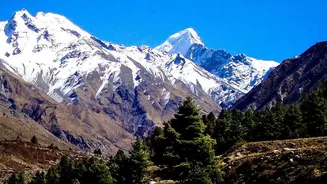
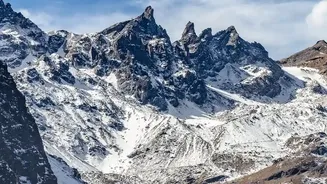
Scientists and disaster management authorities are still investigating the precise cause, but preliminary assessments point to a massive ice avalanche. Experts believe that a huge section of a glacier, potentially as wide as 2,000 feet, broke off from a high altitude in the mountains of Nepal. This mass of ice and rock is thought to have crashed into and temporarily blocked the Lhende River. When this natural dam gave way, it released the pent-up water in a sudden, catastrophic burst. The US Geological Survey initially reported a magnitude 4.4 earthquake in the region but later revised its analysis, stating the seismic waves were more consistent with the energy generated by a massive landslide or glacial collapse.
What is a GLOF and Was This One?
This type of event is often referred to as a Glacial Lake Outburst Flood (GLOF). A GLOF happens when a lake formed by melting glacier water is suddenly released. These lakes are often dammed by unstable walls of rock and debris called moraines. While the Lhende River event shares many characteristics with a GLOF, the primary trigger appears to be an ice avalanche creating a temporary dam, rather than the breach of a pre-existing glacial lake. However, the region is home to many potentially dangerous glacial lakes, and scientists are still investigating if a lake outburst may have contributed to the volume of water. This area has a history of such events, with a similar flood occurring on the same river system just over a year ago.
The Devastating Human and Economic Toll
The human cost of the disaster has been immense. As of August 27, authorities in Nepal and China have reported over 165 deaths, with hundreds more people missing. The missing include local residents as well as a large number of foreign travellers and workers, including many from India. Rescue operations are underway, but are hampered by the destruction of roads and bridges, which has left many affected areas cut off. Economically, the damage is severe. The flood destroyed several hydropower projects, which are vital to Nepal's energy sector and economy. The destruction of the Araniko Highway and facilities at the Gyirong border crossing has also paralysed a critical trade artery between Nepal and China.
A Himalayan Warning Sign
This disaster is a stark and tragic reminder of the growing dangers posed by climate change in the Himalayas. As global temperatures rise, glaciers in the region are melting at an accelerated rate. This not only creates new glacial lakes but also destabilises the ice, increasing the frequency of avalanches and GLOFs. The Hindu Kush Himalaya region has seen the number of GLOF events per decade increase nearly fivefold since 1950. Experts have identified at least 47 potentially dangerous glacial lakes in the broader region that pose a threat to Nepal. These events are no longer rare occurrences but a persistent and growing threat to the millions of people who live downstream.