


The End of an Era, The Start of a Marketplace
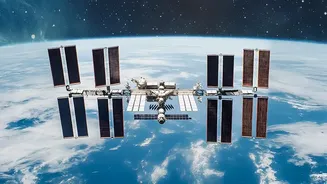
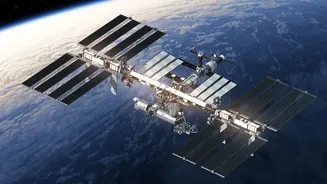
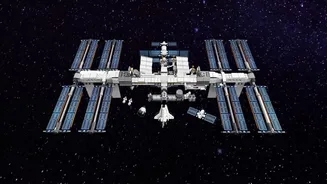
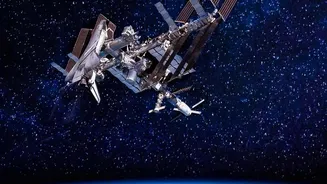
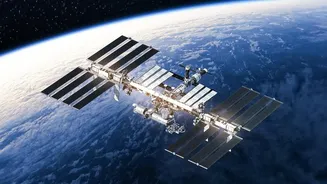
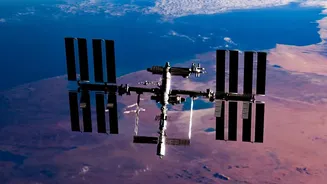
For over two decades, the International Space Station has been the sole orbital outpost for humanity, a global collaboration for science and exploration. But the station is aging, and its deorbit is planned for around 2030. Rather than build a replacement,
NASA is embracing a new model: becoming a customer. Through its Commercial Low Earth Orbit Destinations (CLD) program, NASA is funding the development of private space stations. The goal is to create a robust, multi-faceted market in orbit, where NASA is just one of many tenants. This strategic shift is designed to prevent a gap in U.S. orbital presence while catalyzing a new space economy driven by commercial innovation, tourism, and in-space manufacturing.
The Pioneers of Private Orbit
Several key players are leading the charge to build these orbital successors. Axiom Space is perhaps the most visible, having already conducted private astronaut missions to the ISS. The company is building modules that will first attach to the ISS before separating to become a free-flying station. Another major contender is Vast, which aims to launch its single-module Haven-1 station as early as 2027, potentially making it the first private station in orbit. Then there is Orbital Reef, a project led by Blue Origin and Sierra Space, envisioned as a "mixed-use business park" in space. A fourth major player is Starlab, a joint venture between Voyager Space and Airbus, which is developing a large habitat and lab module.
Next-Generation Habitats
These are not mere replicas of the ISS. The new modules feature innovative designs intended to be more efficient and versatile. Axiom’s modules are being constructed by Thales Alenia Space, the same European builder behind many of the ISS's pressurized modules. Perhaps the most futuristic concept comes from Sierra Space, whose LIFE (Large Integrated Flexible Environment) habitat is an inflatable module. Made of high-strength fabrics like Vectran, these modules launch in a compressed state and inflate in orbit to the size of a three-story building, offering far more volume for their weight than traditional rigid structures. These expandable habitats are central to the Orbital Reef station and are also being developed for other applications.
An Orbital Research Revolution
The primary purpose of these commercial stations is to continue and expand upon the research conducted on the ISS. Microgravity provides a unique environment for breakthroughs in multiple fields. Pharmaceutical companies can study protein crystallization to design more effective drugs. Materials scientists can create novel alloys impossible to make on Earth. In-space manufacturing could produce everything from flawless fiber optics to 3D-printed human organs. Axiom’s station plans include a dedicated Research and Manufacturing Facility. By offering more frequent and affordable access to orbit, these private habitats aim to open up orbital research to a much wider range of companies, universities, and international partners than ever before.
More Than Just Science
While research is the anchor, the business model for these stations is diverse. Space tourism is a major component, with companies like Axiom already proving the demand for private astronaut experiences. National space agencies from countries without their own stations will be able to lease space and send their astronauts, creating a new diplomatic and scientific tool. The long-term vision includes advertising, media production, and other commercial activities that will create a self-sustaining economic ecosystem in low-Earth orbit. This shift from a single, government-funded outpost to a diverse marketplace of orbital platforms marks a fundamental and exciting change in how humanity interacts with space.