

Decoding Light From Light-Years Away
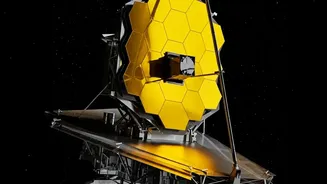
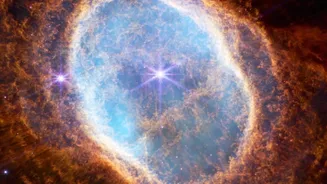
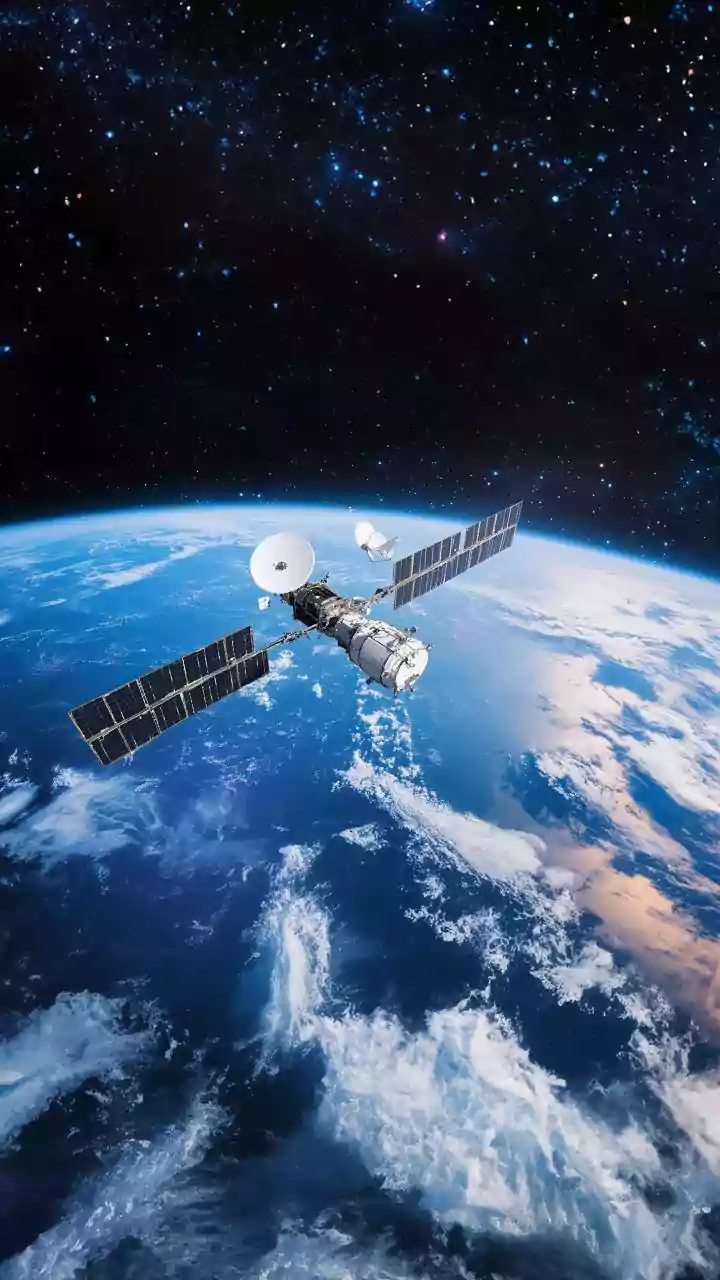
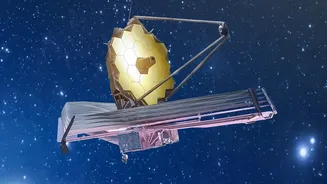
The James Webb Space Telescope doesn't see alien worlds directly in the way a camera takes a picture of a landscape. Instead, it uses a technique called transit spectroscopy. When a distant planet passes in front of its host star, a tiny fraction of the starlight
filters through the planet's atmosphere, if it has one. Molecules in that atmosphere absorb specific frequencies, or colours, of light. By analyzing the starlight that reaches its incredibly sensitive instruments, JWST can identify the chemical fingerprints of gases like water vapour, methane, and carbon dioxide. This allows astronomers to piece together the composition of an atmosphere on a planet that is trillions of kilometres away, a feat that was impossible just a few years ago.
What Are Super-Earths?
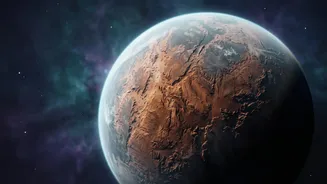
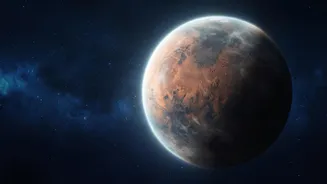
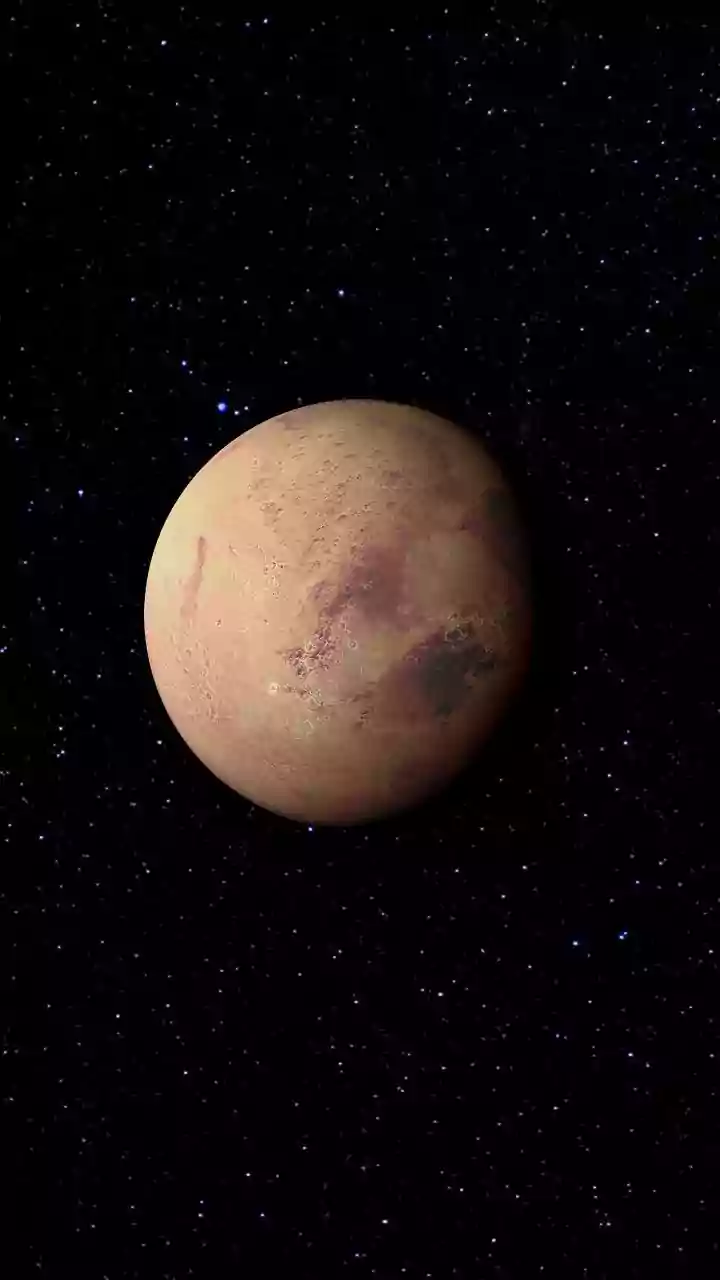
Many of JWST's most exciting targets fall into a category of planet unknown in our own solar system: super-Earths. These are worlds with a mass greater than Earth's but significantly less than that of ice giants like Neptune. Astronomers are particularly interested in them because their higher mass means they have stronger gravity, making them better at holding onto a substantial atmosphere over billions of years—a key prerequisite for stable, life-bearing conditions. Thousands of super-Earths have been discovered, but until now, we knew almost nothing about their environments. They could be barren rocks, water worlds, or something entirely new. JWST is finally pulling back the curtain on these mysterious planets.
Prime Suspects: LHS 1140 b and K2-18 b
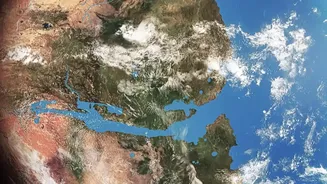
Two super-Earths in particular have become star players in this new era of exploration. LHS 1140 b, located about 49 light-years away, orbits within its star's habitable zone—the region where temperatures could allow liquid water to exist on the surface. Recent JWST observations have ruled out a hydrogen-dominated atmosphere, suggesting instead that it may have a denser atmosphere, potentially rich in nitrogen and even water vapour. This has led some scientists to believe it could be a true 'water world'. Similarly, the telescope has studied K2-18 b, another habitable-zone super-Earth about 110 light-years away. It confirmed the presence of water vapour and also detected carbon-bearing molecules like methane and carbon dioxide, strengthening the case that this planet could have a water ocean beneath a hydrogen-rich atmosphere.
Not All Rocky Planets Are Habitable
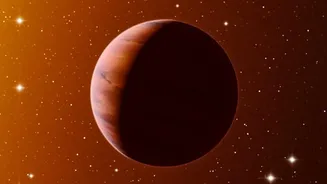
While the prospect of water worlds is tantalizing, JWST's data also serves as a crucial reality check. The telescope is revealing a stunning diversity of rocky planets, many of which are far from Earth-like. Take 55 Cancri e, a super-Earth orbiting so close to its star that its surface is a blistering ocean of molten magma. Rather than being a stripped, bare rock as some theories predicted, JWST found strong evidence that it has a substantial atmosphere. Scientists believe this atmosphere is not original to the planet but is constantly being replenished by gases bubbling out of the magma ocean below, likely composed of carbon monoxide and carbon dioxide. This discovery shows that even the most extreme rocky worlds can have complex atmospheric cycles, expanding our understanding of planetary evolution.