


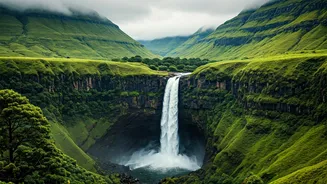



A Realm of Towering Peaks
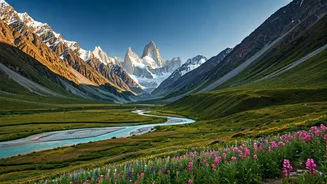
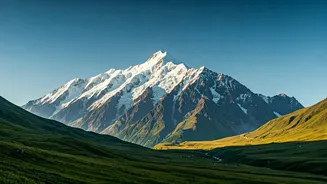
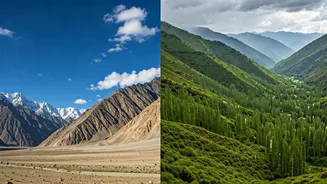
Sikkim is dominated by the mighty Himalayas, offering breathtaking views from almost every corner. It is home to Mount Khangchendzonga, the third highest peak in the world, which is revered by the locals as a guardian deity. The landscape is a stunning
panorama of snow-clad mountains, deep valleys, and rugged terrain that promises adventure and awe in equal measure. This majestic scenery isn't just a backdrop; it's an ever-present reminder of nature's grandeur, making it an ideal setting for anyone looking to feel small in the face of magnificent creation. The visual spectacle of sunrise painting the peaks in golden hues is an experience that stays with you forever.
Khangchendzonga National Park: A UNESCO Gem
Covering a significant portion of the state, Khangchendzonga National Park is a UNESCO World Heritage Site, recognised for both its natural and cultural significance. The park boasts an extraordinary vertical range, from subtropical lowlands to towering glaciers like the 26-km-long Zemu Glacier. This diversity in altitude fosters an incredible range of ecosystems. It’s a sanctuary for nearly half of India's bird species, a third of its flowering plants, and countless rare animals, including the elusive snow leopard and the endearing red panda. For a nature lover, it’s not just a park but a living, breathing museum of biodiversity.
A Global Biodiversity Hotspot
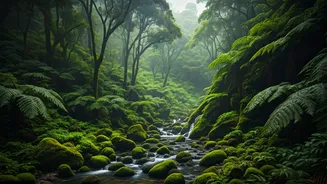
Sikkim is part of the Himalayan global biodiversity hotspot, packing an astonishing variety of life into its compact area. The state is a treasure trove of flora and fauna, with over 4,500 species of flowering plants, more than 550 species of orchids, and around 36 types of rhododendrons that set the hills ablaze with colour in spring. Its forests are home to over 144 species of mammals. This incredible richness means that every trek and trail offers a new discovery, from vibrant butterflies to exotic birds and unique plant life found nowhere else.
The Enchanting Yumthang Valley
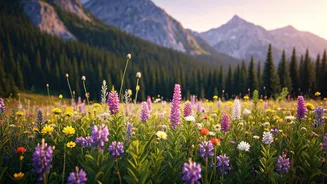
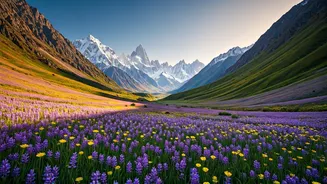
Often called Sikkim’s ‘Valley of Flowers’, Yumthang Valley is a breathtaking expanse of rolling meadows and vibrant colours. Situated at an altitude of over 11,000 feet, the valley is home to the Shingba Rhododendron Sanctuary, which contains more than 24 species of the state flower. During the spring months, from late February to mid-June, the valley floor is carpeted with a riot of rhododendrons, primulas, and other wildflowers. The Lachung River flows through its heart, adding to the picturesque, dream-like setting. For photographers and nature admirers, Yumthang offers a surreal and unforgettable floral spectacle.
Sacred and Serene High-Altitude Lakes
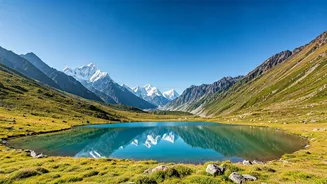
Sikkim is dotted with over 227 high-altitude lakes, each more stunning than the last. Tsomgo Lake, also known as Changu Lake, is a glacial lake that changes colours with the seasons and is enveloped by steep, snowy mountains. Further north lies the revered Gurudongmar Lake, one of the highest lakes in the world, situated at an elevation of nearly 17,800 feet. Believed to have been blessed by Guru Padmasambhava, a part of it never freezes, even in harsh winters. These lakes are not just geographical wonders but are deeply intertwined with local spiritual beliefs, offering a tranquil and soulful experience.
A Trekker's Paradise for All Levels
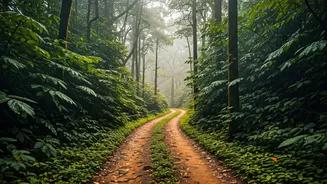
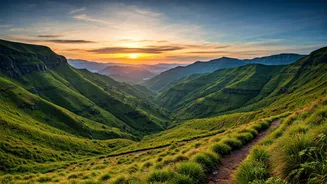
With its diverse terrain, Sikkim is a premier destination for trekking. Whether you're a beginner or a seasoned mountaineer, there's a trail for you. Easy treks like the Barsey Rhododendron Trek offer gentle walks through flowering forests. For those seeking a challenge, the Goechala Trek provides breathtaking close-up views of Khangchendzonga. These trails wind through pristine forests, alpine meadows, and remote villages, offering an immersive way to connect with the region's raw, untouched nature.
Pioneering a Green, Organic Lifestyle
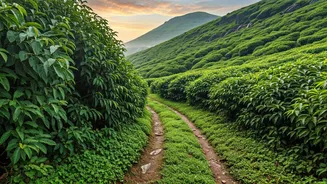
Sikkim's commitment to nature goes beyond preserving its landscapes; it's woven into its way of life. It is India's first and only fully organic state, meaning all its farming is done without chemical pesticides and fertilizers. This dedication to sustainable practices has not only preserved soil health and biodiversity but has also boosted eco-tourism. For a nature lover, visiting Sikkim means supporting a destination that actively works to protect the environment, offering a clean, conscious, and truly green travel experience.