






A Symphony for the Senses
There are few pairings in the Indian cultural lexicon as perfect as monsoon and masala chai. It's a multi-sensory experience. The cool, damp weather creates a natural desire for warmth, and a steaming cup of spiced tea provides just that. The earthy smell
of rain-soaked soil finds its perfect aromatic counterpart in the fragrance of ginger, cardamom, and cloves simmering on the stove. The grey, overcast skies make the warm, milky-brown colour of the chai feel like a comforting embrace. It's not just a beverage; it's the official soundtrack to a rainy afternoon, a liquid form of cosiness that battles the gloom and turns a downpour into a welcome event.
The Comfort in a Cup
Beyond the sensory pleasure, chai holds a deep psychological comfort. It is the drink of conversations, of roadside contemplation, and of family gatherings. During the monsoon, when outdoor activities are curtailed, the act of making and sharing chai becomes a central household ritual. It’s the pause in a workday, the welcome offered to a guest shaking off the rain, and the quiet companion to a book while the world outside is washed clean. This emotional connection is potent. The simple question, “Chai banayein?” (Shall I make some tea?), becomes an offering of warmth, care, and togetherness, especially when the weather encourages us to stay indoors and reconnect.
A Brew Steeped in History
While tea has been cultivated in India for centuries, the masala chai we know and love is a more recent, and distinctly Indian, innovation. British colonialists popularised black tea consumption, but it was Indian ingenuity that transformed it. Street vendors and households began adding a medley of local spices (masala) and milk to the brew, not only to enhance the flavour but also to stretch the expensive tea leaves. This act of adaptation turned a colonial import into a national treasure. The spices used—often drawing from Ayurvedic principles—were chosen for their warming and healing properties, making the drink especially suited for the dampness and seasonal sniffles that can accompany the monsoon.
The Alchemy of Spices
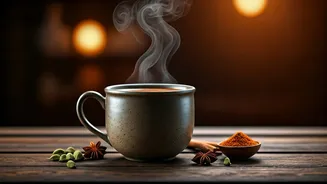
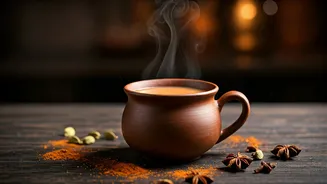
The magic of masala chai lies in its spice blend, a formula that varies from family to family. However, a few key players are almost always present. Ginger, with its pungent heat, is known to aid digestion and fight colds. Cardamom lends a sweet, floral aroma that is instantly uplifting. Cloves provide a sharp, antiseptic warmth, while cinnamon adds a touch of sweet complexity. Some blends might include black peppercorns for a spicy kick, star anise for a hint of liquorice, or fennel for freshness. This combination isn't random; it’s a carefully constructed alchemy designed to warm the body from the inside out, making it the perfect antidote to the monsoon chill.
The Ritual of Preparation
In a world of instant coffee and teabags, the preparation of traditional masala chai is a deliberate, almost meditative act. It begins with crushing fresh ginger and whole spices, releasing their essential oils and filling the kitchen with an intoxicating aroma. The spices are simmered in water to create a fragrant decoction before the tea leaves, milk, and sugar are added. The mixture is then brought to a rolling boil—once, twice, sometimes three times—to achieve the perfect strength and creamy consistency. This slow process is part of the appeal. It’s a ritual that forces you to slow down, to be present, and to anticipate the comforting reward at the end.