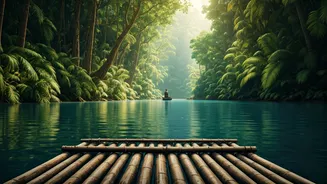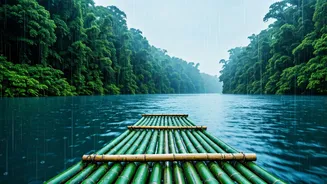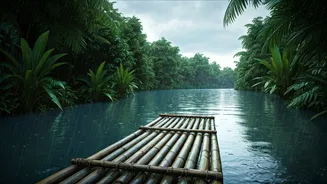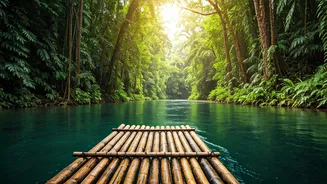





The Allure of the Gentle Glide
When the first rains arrive, the instinct to escape the city is strong. But so often, that escape leads to traffic jams and packed viewpoints in places like Lonavala or Mussoorie. Bamboo rafting offers the complete opposite. It’s a slow, meditative activity
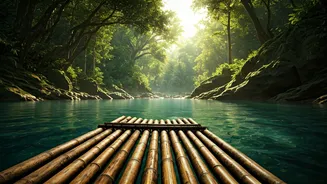
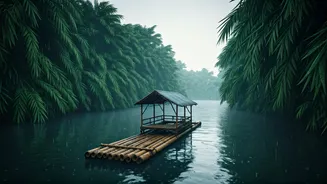
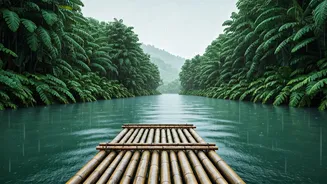
that forces you to disconnect from the hustle and reconnect with the natural world. Instead of the roar of crowds, you hear the gentle splash of the pole guiding the raft, the chorus of cicadas in the dense foliage, and the drip of rainwater from broad leaves. It’s not an adrenaline rush; it's an immersion. You’re not just seeing the scenery—you are a quiet, floating part of it, moving at the pace of the river itself. This gentle journey allows you to appreciate the subtle beauty of the monsoon: the mist clinging to the hillsides, the vibrant green of freshly washed leaves, and the reflection of the grey sky on the water's surface.
Top Spot: Thekkady, Kerala
For the ultimate bamboo rafting experience, look no further than the Periyar Tiger Reserve in Thekkady. This is a full-day programme, often combining a trek through the rainforest with a few hours of rafting on the serene Periyar Lake. Managed by the forest department, it’s an eco-tourism initiative that directly supports local communities and conservation efforts. The rafts, made of bundled bamboo poles, are simple and stable. Accompanied by an armed forest guard and a guide, you'll paddle across the vast lake, which is the lifeline of the reserve. The real magic of rafting here during the monsoon is the enhanced possibility of wildlife sightings. Animals are often drawn to the water's edge to drink. It's not uncommon to spot herds of elephants, sambar deer, gaur (Indian bison), and a spectacular array of birdlife, from kingfishers to hornbills. The silence of the raft ensures you don't disturb the animals, offering a uniquely intimate and respectful wildlife encounter.
Wayanad, Kerala: Through Lush Waterways
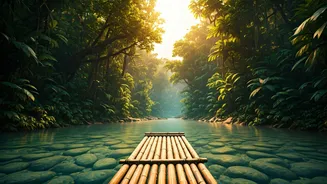
While Thekkady offers a grand, lake-based experience, Wayanad provides a more intimate journey through narrower waterways and lush riverbanks. The Kuruva Islands (Kuruva Dweep), a protected river delta on the Kabini River, is a prime location. Here, you can drift through a maze of streams under a dense canopy of ancient trees. The atmosphere is mystical, especially when the monsoon mist hangs low over the water. The islands are uninhabited and home to rare species of birds, orchids, and butterflies. The experience feels like you’re exploring a lost world. Unlike the more structured programme in Thekkady, rafting in Wayanad can be a shorter, more spontaneous activity, making it a perfect addition to a broader exploration of the region's waterfalls, caves, and spice plantations. It’s a peaceful, family-friendly option that showcases the quiet charm of Kerala's northern hill district.
Coorg, Karnataka: A Serene River Escape
Known as the 'Scotland of India', Coorg's rolling hills and coffee estates become even more breathtaking during the monsoon. While it's famous for its white-water rafting on the Barapole River, a gentler bamboo rafting experience can be found on calmer stretches of the Cauvery (Kaveri) River, particularly near Dubare Elephant Camp and Nisargadhama, a beautiful ecological park. Gliding on a bamboo raft here offers a different perspective of the Kodagu landscape. You'll pass by thick bamboo groves, verdant fields, and traditional Kodava homes. It's less about spotting exotic wildlife and more about soaking in the tranquil, pastoral beauty of the region. The activity is generally safe and suitable for all ages, providing a quiet break between visiting coffee plantations and sampling the delicious local cuisine. It’s the perfect way to spend a lazy monsoon afternoon, away from the more crowded tourist attractions.
Essential Tips for Monsoon Rafting
To make the most of your bamboo rafting trip, a little preparation goes a long way. First, always check if the activity is operational, as heavy rains can sometimes lead to temporary closures for safety reasons. Wear quick-drying clothes (synthetics are better than cotton) and waterproof footwear with good grip. A lightweight rain jacket or poncho is essential. Protect your electronics by carrying them in a waterproof dry bag. Always wear the life jacket provided and listen carefully to your guide's instructions. Leeches can be common in the rainforest during the monsoon, so wearing leech socks or tucking your trousers into your socks is a wise precaution. Finally, book in advance, especially for popular spots like Thekkady, as slots can be limited to minimize environmental impact. Embrace the rain, leave your worries behind, and get ready for a truly memorable adventure.