
Why Humidity Rewrites Decor Rules
During the monsoon, indoor humidity levels in many Indian cities can soar above 70-90%. This isn't just about feeling sticky; it's a direct threat to your interiors. Porous materials act like sponges, soaking up airborne moisture. This can cause wooden
furniture to swell, doors to jam, and fabrics to develop a persistent musty odour. Heavy materials like velvet, wool, or even high-density particleboard trap moisture, creating ideal conditions for mould and mildew growth. The seasonal decor shift isn't just for aesthetics; it's a practical strategy for protecting your home and making it more comfortable.
Embrace Light, Breathable Fabrics
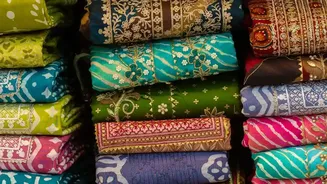
One of the most effective monsoon swaps is changing your soft furnishings. Heavy curtains, thick bedspreads, and dense upholstery should be stored away. Instead, opt for lightweight, breathable materials that dry quickly and don't trap moisture. Cotton, especially in a lighter percale or voile weave, is an excellent choice for bedsheets and curtains. Linen is another standout performer; its natural fibre structure allows for superior airflow and keeps the fabric from clinging to the skin in humid conditions. Sheer curtains are a fantastic option, as they allow maximum light and air circulation, combating the gloomy feel of overcast days.
Choose Your Wood Wisely
While many wood-based materials struggle in high humidity, not all wood is created equal. Materials like MDF and particleboard are particularly vulnerable, as they can swell and warp irreversibly. However, dense, oily hardwoods are naturally resilient. Teak is considered the gold standard for humid climates; its natural oils and tight grain act as a built-in water repellent, resisting both moisture and termites. Other solid woods like sheesham can also perform well. When choosing wooden furniture, solid wood is a far safer bet than cheaper engineered boards during the rainy season.
Incorporate Cane, Rattan, and Bamboo
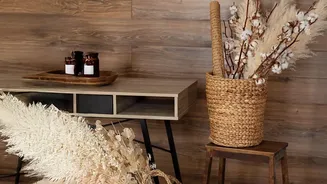
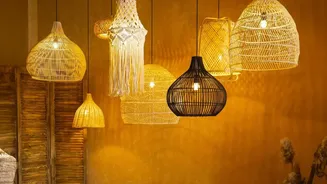
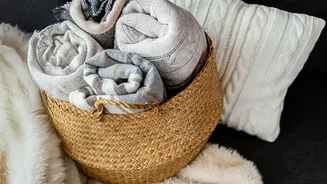
Furniture made from woven natural fibres like cane (rattan), bamboo, and jute sees a surge in popularity during the monsoon for good reason. These materials are lightweight and their open-weave construction promotes airflow, which is crucial for preventing dampness from settling in. Unlike solid wood, a cane chair or cabinet won't block air circulation. This helps keep the furniture itself, and the space around it, feeling dry and airy. Synthetic wicker, often used for outdoor furniture, is another incredibly durable and moisture-proof option that works well indoors too.
Lean on Metal, Glass, and Stone
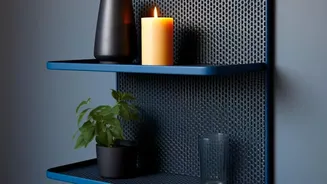
Hard, non-porous surfaces are your best friends during the monsoon. They don't absorb moisture and are exceptionally easy to wipe clean. Consider introducing decor accents or furniture made from metal, glass, or stone. Powder-coated or stainless steel furniture is impervious to humidity and won't rust. Glass tabletops create a sense of lightness and don't trap moisture. For flooring and countertops, natural stone like marble or granite is highly resistant to dampness. These materials not only offer functional benefits but also add a sleek, modern touch that can help brighten a space.
Small Changes, Big Impact
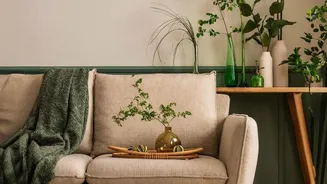
You don't need to refurnish your entire home to make it monsoon-ready. Simple actions can make a significant difference. Keep furniture a few inches away from walls to encourage air circulation and prevent moisture from getting trapped. Rolling up heavy carpets and rugs can prevent them from becoming damp and musty. Good ventilation is key, so open windows whenever it's not raining to let fresh air circulate. Finally, adding warm-toned lighting and colourful accents like bright cushions or a bold vase can counteract the grey, overcast light and make your home feel cosy and cheerful.