








Why Rigidity Doesn't Work in the Rains
The monsoon season, from June to September, transforms India, but it also introduces unpredictability. Flights can be delayed due to poor visibility, trains may run slow on waterlogged tracks, and road trips, especially in hilly regions, face the risk
of landslides. Trying to stick to a packed, minute-by-minute itinerary is a recipe for stress. Airlines are already adjusting schedules, and disruptions at major airports can have a ripple effect across the country. Instead of fighting the weather, savvy travellers work with it, building buffer days into their plans and accepting that a detour might be part of the adventure.
Booking Smart: Your Financial Safety Net
Flexibility starts at the booking stage. While a non-refundable deal might seem tempting, it can become a costly mistake if your plans are forced to change. Opt for hotel rooms and flights with flexible cancellation or rescheduling policies. That slightly higher upfront cost acts as insurance against losing your money due to a sudden downpour or a closed road. Many travel aggregators and airlines now offer 'flexi' fares that allow for low-cost changes. It’s also wise to consider travel insurance that specifically covers trip interruptions caused by weather.
The Upside of Spontaneity: Better Deals and Fewer Crowds
The monsoon is considered the off-season in many tourist hotspots, which presents a fantastic opportunity for budget-conscious travellers. With fewer tourists, popular destinations are less crowded, allowing for a more authentic and peaceful experience. This lower demand often translates into significant discounts on accommodation and even activities, with some luxury hotels dropping prices by 30-50%. A flexible plan allows you to snag last-minute deals on hotels and tours, making a spontaneous getaway both exciting and economical.
Essential Tech and Packing for the Pivot
Modern technology is a flexible traveller's best friend. Download reliable weather apps like the IMD's official app to monitor forecasts not just for your destination, but for the route as well. Keep your airline's app handy for the fastest updates on delays and cancellations, which often come via push notifications before airport screens are updated. Your packing should also reflect this need for adaptability. Prioritise quick-dry synthetic clothing over cotton and jeans. A reliable waterproof jacket, a sturdy umbrella, waterproof footwear with good grip, and protective bags or pouches for your electronics are non-negotiable. A power bank is also crucial for staying connected when delays strike.
Choosing Your Destination Wisely
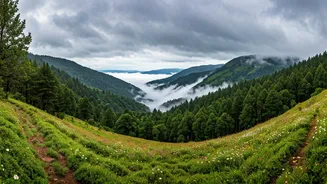
Flexibility also applies to *where* you go. Some parts of India are best avoided during heavy rains, particularly regions prone to landslides or flooding. However, many destinations come alive during this season. The Western Ghats, including places like Munnar in Kerala and Coorg in Karnataka, become incredibly lush and beautiful. For those looking to escape the rain altogether, high-altitude desert regions like Ladakh and Spiti Valley remain largely dry and accessible. Researching destinations that are either in their 'green season' prime or in a rain-shadow area can help you make better on-the-fly decisions if you need to change your original plan.