



The Rise of the Digital Green Thumb
For many members of Gen Z, the traditional path to a sprawling garden is blocked by circumstance. Rising rent, urban living, and a lack of outdoor space have made conventional gardening feel like a distant dream. Yet, this is also a generation deeply
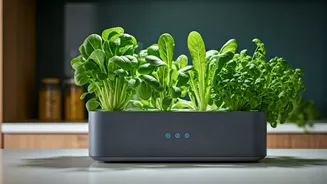
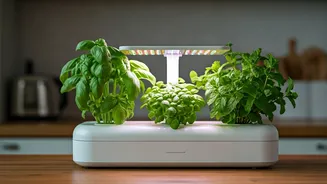
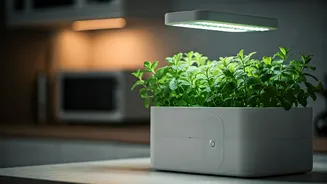
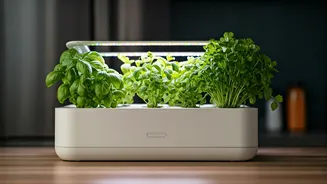
invested in wellness, sustainability, and the provenance of their food. Enter the smart indoor hydroponic garden, a solution that perfectly marries these values with the realities of modern life. These sleek, self-contained units use water, nutrients, and LED lights to grow plants year-round, transforming a small patch of countertop into a miniature farm. It’s gardening, but rebooted for the digital age—clean, efficient, and highly Instagrammable.
More Than Just a Pretty Plant
The appeal goes far beyond the convenience factor. For many young adults, nurturing something from seed to harvest provides a tangible sense of accomplishment and a welcome break from the ephemeral nature of digital life. It’s an extension of the “plant parent” trend, but with an edible payoff. Having fresh herbs on hand elevates everyday cooking, reduces food waste from half-used plastic clamshells, and shrinks the carbon footprint associated with transporting produce. These kits represent a small but meaningful step toward self-sufficiency and a conscious lifestyle, turning a simple meal into a statement about personal values. It’s a form of analog wellness powered by smart technology.
How It Works (No Soil, No Problem)
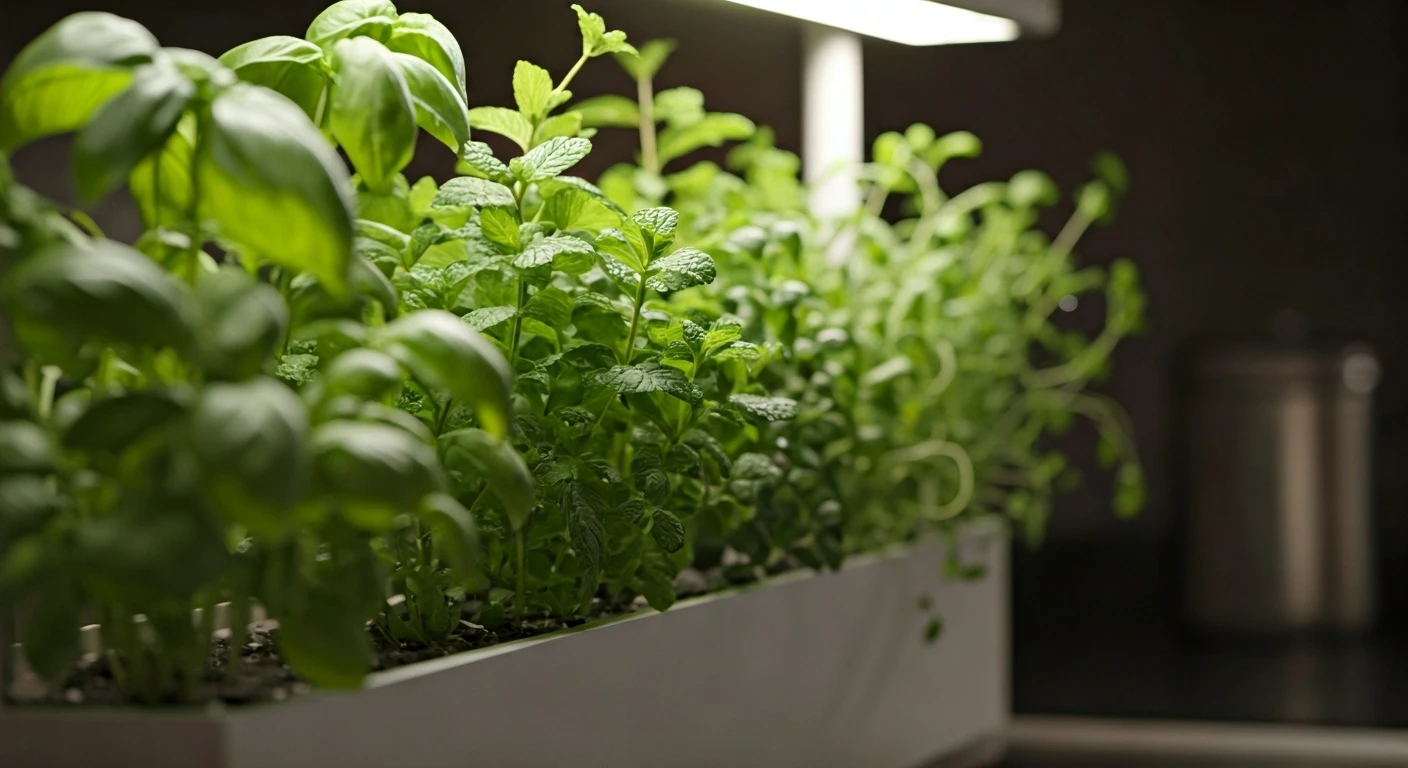
The term “hydroponics” might sound intimidatingly scientific, but the concept is straightforward. Instead of soil, plants grow in water fortified with a mineral nutrient solution. The “smart” part of the kit handles the rest. Built-in sensors and timers manage the lighting schedule, ensuring plants get the optimal amount of “sunlight” from powerful, full-spectrum LEDs. Many systems also automate watering, circulating the nutrient-rich water to the roots at regular intervals. The user’s main job is to add water and nutrients every few weeks and, of course, harvest their bounty. This controlled environment eliminates guesswork and common gardening frustrations like pests, weeds, and unpredictable weather, making it accessible even to total beginners.
Choosing Your Kit: The Countertop Starter
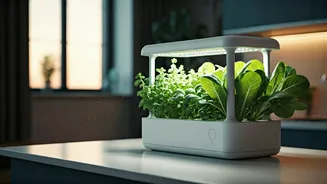
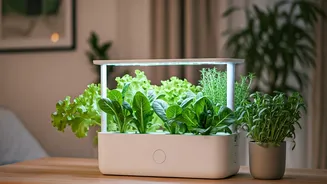
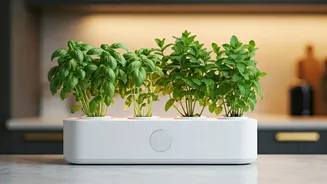
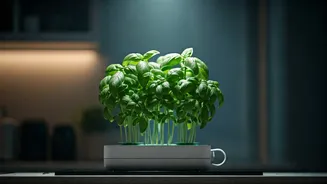
For those just dipping their toes into hydroponics, the small countertop herb garden is the perfect entry point. These compact units, often holding between three and nine plant pods, are designed to fit seamlessly into a kitchen or on a small shelf. They are typically all-in-one systems, with brands like AeroGarden and Click & Grow dominating the space. The focus is on simplicity and aesthetics, with sleek designs that look more like a modern appliance than a farming tool. They are ideal for growing a steady supply of essential herbs like basil, parsley, dill, and mint, giving you an immediate and flavorful return on your investment.
Stepping Up: The Modular & Expandable
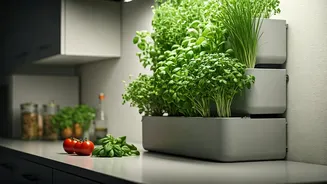
If you’re ready to move beyond herbs and into leafy greens like lettuce and kale, a mid-range modular system might be a better fit. These kits offer more growing capacity and flexibility. Some are wider countertop models, while others, like the Lettuce Grow Farmstand, are vertical towers that maximize growing space with a small footprint. They often allow for more customization, letting you grow a greater variety of produce simultaneously. These systems are for the committed enthusiast who wants to supplement a significant portion of their grocery bill with homegrown greens and vegetables, turning a hobby into a productive part of their kitchen routine.
The Full System: The Indoor Farm
At the highest end of the spectrum are the fully automated indoor farms. These are less like countertop gadgets and more like sophisticated pieces of furniture. Systems from companies like Gardyn or Rise Gardens can hold dozens of plants, from strawberries and tomatoes to full heads of lettuce, and are often controlled via a smartphone app that monitors plant health and provides guidance. They use advanced automation and sometimes even AI-powered assistance to manage the entire growing process. These are for serious growers aiming for food independence, effectively creating a personal produce aisle in their living room. While a significant investment, they represent the ultimate expression of the indoor gardening trend.