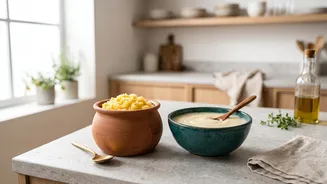



We’ve all heard the advice: for maximum flavour, marinate your food overnight. But is it just a kitchen myth, or is there a science to it? It turns out that time is a secret ingredient, allowing flavours to develop in ways a quick soak can't match.
The Slow Dance of Flavour
At
its core, infusing flavour is a process of diffusion—the movement of molecules from an area of high concentration (your marinade) to one of lower concentration (your food). This process is surprisingly slow. Contrary to popular belief, most marinade flavours only penetrate a few millimetres into meat, even after many hours. So, why bother with an overnight soak? Because the most significant flavour transformation happens on the surface. A long marination period allows the ingredients in your marinade—acid, fat, salt, and aromatics—to work their magic on the outer layer of the protein or vegetable. This surface layer is what ultimately forms the delicious crust when cooked and seasons the juices that surround the food.
Whole vs. Ground: A Tale of Two Flavours
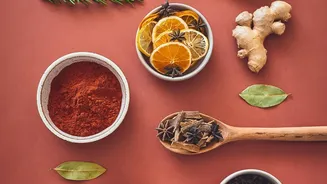
This is where whole aromatics truly shine. Think of a whole spice like a cinnamon stick or a cardamom pod as a time-release capsule of flavour. Its aromatic oils are safely locked inside its cellular structure. When submerged in a marinade, it releases these oils slowly and steadily over many hours, creating a nuanced and complex flavour profile. Ground spices, on the other hand, release their flavour almost instantly because their cell walls have been shattered. While excellent for a quick rub or a fast-cooking sauce, their flavour can become dull or one-dimensional during a long, slow infusion. Whole garlic cloves, thick slices of ginger, bay leaves, and star anise gently perfume the food, lending a deep, foundational aroma rather than an aggressive, upfront hit of spice.
The Key Players: Acid, Fat, and Salt
A good marinade is a balanced team of ingredients. Acid, from sources like citrus juice, vinegar, or yogurt, works to gently break down proteins on the surface of meat, a process called denaturation. This doesn't just tenderise the outer layer; it creates tiny pockets that can trap flavour. Fat, such as oil or coconut milk, is crucial because many aromatic compounds are fat-soluble, meaning they dissolve in fat, not water. The fat acts as a vehicle, carrying the flavours of your herbs and spices and coating the food. Salt is perhaps the most powerful player. It not only seasons the food but also changes the protein structure in a way that helps the meat retain more moisture, ensuring a juicier final product.
Putting It Into Practice
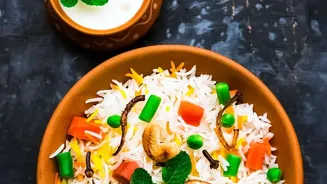
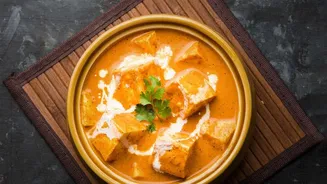
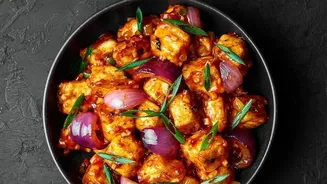
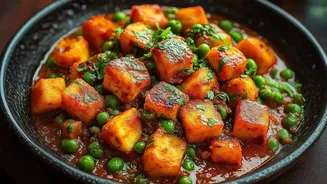
So, how do you make the most of an overnight infusion? For proteins, thinner cuts or pieces with more surface area—like chicken thighs or sliced paneer—will absorb more flavour. For thicker cuts of meat, scoring the surface with a knife can help the marinade penetrate more effectively. A classic Indian-style marinade for chicken or lamb might involve yogurt (the acid), a touch of oil (the fat), salt, and a blend of whole aromatics like crushed cardamom pods, cloves, cinnamon sticks, and bay leaves, alongside smashed cloves of garlic and grated ginger. For vegetables, firm options like cauliflower, potatoes, and carrots benefit wonderfully from an overnight soak. A simple mix of olive oil, lemon juice, salt, and whole herbs like thyme, rosemary, and smashed garlic cloves can transform them completely.
When Shorter Is Better
While overnight is great for many foods, it's not a universal rule. Delicate items like fish and shrimp should only be marinated for a short time, often just 15 to 30 minutes. The acid in a marinade can quickly 'cook' the fragile proteins (a process seen in ceviche), turning the texture from tender to mushy. For these ingredients, a quick toss in aromatics just before cooking is far more effective. The goal is to match the marinating time to the ingredient's texture and thickness. A long soak is for sturdy proteins and vegetables that can stand up to it than developing deep enough layered flavour over time.