





The Golden Healer: Turmeric (Haldi)
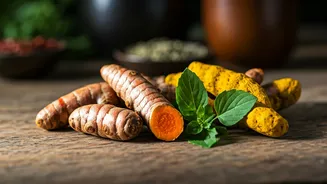
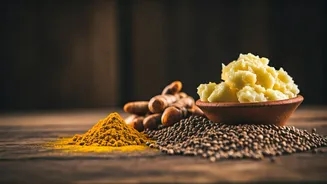
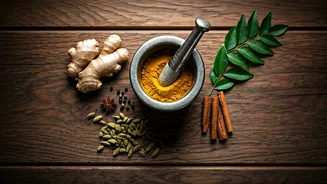
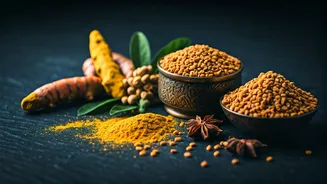
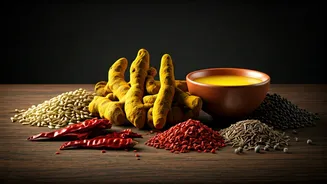
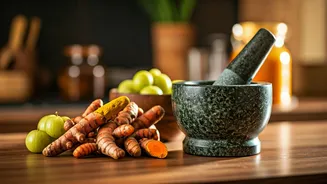
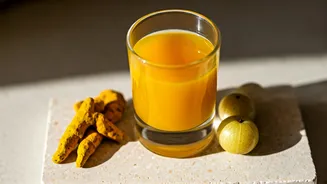
No discussion of Indian healing foods can begin without mentioning turmeric. For centuries, this vibrant yellow spice has been the star of both our kitchens and our grandmother’s home remedies. Traditionally, a glass of 'haldi doodh' (turmeric milk) has been the go-to
cure for everything from a common cold to bodily aches. The active compound, curcumin, is celebrated in Ayurveda for its anti-inflammatory and antioxidant properties. Today, the world is catching on, with 'golden lattes' becoming a global café staple. But here at home, its use is becoming more intentional than ever. People are incorporating raw turmeric into their diets and ensuring the spice is paired with a pinch of black pepper, which ancient texts and modern science agree helps increase the body’s absorption of curcumin.
The Stress Adaptogen: Ashwagandha
In today’s high-stress world, an ancient herb is making a remarkable comeback. Ashwagandha, known as Indian ginseng, is one of the most powerful herbs in Ayurvedic medicine. It's classified as an 'adaptogen,' meaning it is believed to help the body manage stress. Traditionally used to combat fatigue, increase energy levels, and improve concentration, its resurgence is a direct response to the pressures of modern urban life. Once relegated to specialised Ayurvedic shops, ashwagandha is now widely available in powders, tablets, and even infused into health drinks and teas. It’s a testament to a collective desire to find natural, holistic ways to manage mental and emotional well-being without turning to harsher alternatives.
The Immunity Elixir: Amla
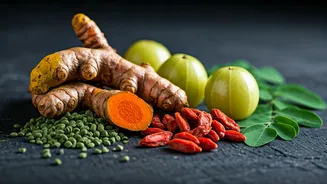
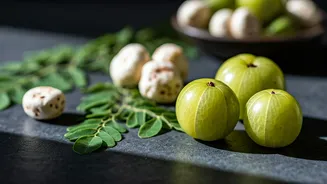
The humble amla, or Indian gooseberry, is a true powerhouse of nutrition. Said to contain more vitamin C than an orange, amla has been a cornerstone of Indian wellness for millennia. It is a key ingredient in Chyawanprash, the famous Ayurvedic health supplement that generations of Indians have been coaxed into eating for immunity. Today, amla is being rediscovered in new forms. Beyond pickles ('achaar') and preserves ('murabba'), people are turning to fresh amla juice, dried amla candies, and powders to add to their morning smoothies. This shift reflects a growing awareness of the importance of preventative healthcare, with a focus on building a strong immune system to ward off infections naturally.
The Digestive Fire: Ginger and Ghee
Ayurveda places immense importance on 'agni,' or the digestive fire, as the root of good health. Two key ingredients that support this are ginger ('adrak') and ghee. Ginger, with its pungent and warming properties, is known to stimulate digestion, reduce nausea, and alleviate bloating. It’s the reason a small piece of ginger is often served before meals or why ginger tea is a post-meal ritual in many households. Similarly, pure ghee—clarified butter—is making a triumphant return after years of being unfairly maligned. Far from being an unhealthy fat, traditional wisdom regards ghee as a substance that lubricates the gut, aids in nutrient absorption, and helps balance excess stomach acid. This renewed trust in foundational ingredients is rebuilding the Indian plate from the gut up.
Beyond Single Ingredients: The Holistic Plate
Perhaps the most significant aspect of this movement is the shift in mindset. It’s not just about adding a 'superfood' to an otherwise unhealthy diet. It's about embracing a holistic philosophy of eating. This includes eating seasonally, understanding the 'heating' and 'cooling' properties of foods, and combining flavours to create a balanced meal that nourishes the body according to its unique constitution ('dosha'). The modern Indian is increasingly looking at their thali not as a collection of dishes, but as a balanced, synergistic system designed for optimal health. This approach honours the wisdom that food is not just fuel; it is medicine, information, and a way of connecting with nature and our own bodies.