





Understanding Your Gut Microbiome
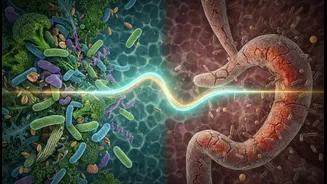
Think of your gut as a bustling community of microbes, including bacteria, viruses, and fungi, collectively known as the gut microbiome. This community is unique to you and plays a critical role in everything from digestion and vitamin production to regulating
your immune system and even your mood. An imbalance, often caused by diet and lifestyle, can be linked to a range of health issues. A healthy microbiome thrives on diversity, and the key to that diversity is providing the right kind of fuel. That fuel is dietary fibre.
Fibre: The Unsung Hero of Digestion
Dietary fibre is a type of carbohydrate from plants that your body can't digest. Instead, it travels to your large intestine, where it becomes food for your beneficial gut bacteria. There are two main types of fibre, and both are crucial. Soluble fibre dissolves in water to form a gel-like substance. It slows digestion, which helps with blood sugar control and lowering cholesterol. Insoluble fibre does not dissolve in water. It adds bulk to stool, helping material move through your digestive system and preventing constipation. Most plant foods contain a mix of both.
How Fibre Creates a Healthy Gut
When your gut bacteria feast on fibre, they produce beneficial compounds called short-chain fatty acids (SCFAs). These SCFAs, like butyrate, propionate, and acetate, are powerhouses for your health. They serve as the primary energy source for the cells lining your colon, helping to strengthen the gut barrier. A strong barrier prevents harmful substances from leaking into your bloodstream. SCFAs also help create a slightly acidic environment that discourages the growth of harmful pathogens while promoting beneficial microbes, and they have anti-inflammatory effects that benefit the whole body.
Are You Getting Enough?
Despite the benefits, most people aren't eating nearly enough fibre. The Indian Council of Medical Research (ICMR) recommends about 30 grams of dietary fibre per day for an average adult, but studies show that many urban Indians consume only about half that amount. This gap is linked to a higher intake of processed foods and refined grains. The good news is that traditional Indian eating patterns are naturally rich in fibre, making it easy to increase your intake with a few conscious choices.
Building Your Fibre-First Indian Plate
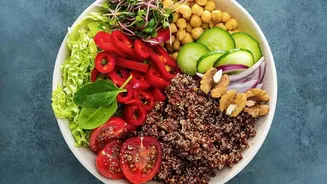
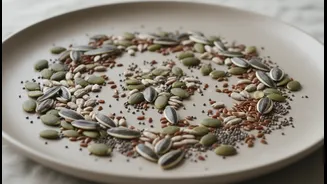
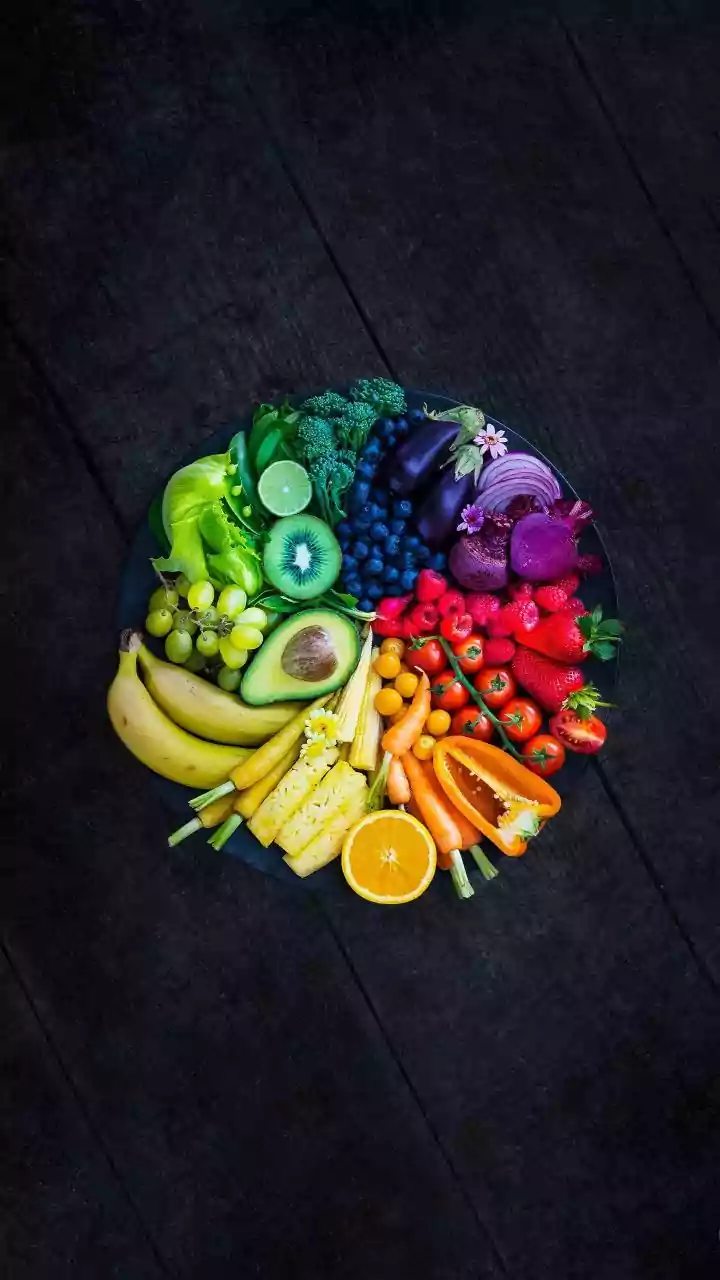
Increasing your fibre intake doesn't require a radical diet overhaul. It's about focusing on whole foods. Prioritise whole grains and millets like bajra, jowar, and ragi over refined flour and polished rice. Make dals, pulses, and legumes like chana, rajma, and moong a daily habit; they are excellent sources of both fibre and protein. Fill half your plate with vegetables at lunch and dinner—options like bhindi (okra), beans, carrots, and leafy greens are fantastic choices. Snack on whole fruits like guava, apples, and papaya instead of reaching for juices or processed snacks. Adding a small portion of nuts and seeds can also provide a significant fibre boost.
Simple Swaps for a Fibre Boost
Making lasting changes is about small, sustainable steps. Start by swapping your regular atta for whole-wheat or multigrain atta. Begin your day with a high-fibre breakfast like vegetable poha or oats upma. When making curries or sabzis, leave the skin on vegetables like potatoes and carrots. Add a simple salad to your main meals. It's also important to increase your fibre intake gradually and drink plenty of water to help the fibre do its job smoothly and avoid discomfort like bloating.