




What Exactly Are Ultra-Processed Foods?
The term gets thrown around a lot, but what makes a food 'ultra-processed'? It’s not just about being in a package. The most widely used definition, the NOVA classification system, groups foods into four categories. Group 1 is unprocessed or minimally
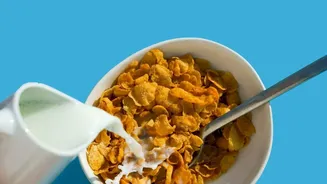
processed foods like fresh vegetables, dals, rice, and meat. Group 2 includes culinary ingredients like oils, salt, and sugar. Group 3 covers processed foods, which are typically Group 1 foods with ingredients from Group 2 added, like vegetables canned in brine or simple breads. The category causing all the debate is Group 4: ultra-processed foods (UPFs). These are industrial formulations, not whole foods. A simple rule of thumb is to look at the ingredients list. If you see substances you’d never use in your own kitchen—like high-fructose corn syrup, hydrogenated oils, protein isolates, or a long list of emulsifiers, stabilisers, and artificial flavours—you are likely looking at a UPF. Think instant noodles, mass-produced biscuits, chips, sugary breakfast cereals, and fizzy drinks.
The Established Health Concerns
For years, the main concern around UPFs has been their poor nutritional profile. They are often high in added sugar, salt, and unhealthy fats while being low in essential nutrients and fibre. Numerous studies have linked diets high in these foods to a greater risk of obesity, heart disease, type 2 diabetes, and other chronic conditions. Because they are designed to be hyper-palatable, they can be easy to overconsume, often displacing more nutritious, whole foods in our diet. This displacement means we miss out on vital vitamins, minerals, and fibre that protect our health.
New Research: It's More Than Just Nutrients
Recent science suggests the problem with UPFs may be deeper than their nutritional labels. A study from Tufts University, published in June 2026, found that the industrial processing itself could be a source of harm. Researchers noted that even after accounting for the nutritional quality of a person's diet, higher consumption of UPFs was still linked to worse health outcomes. The study's author, Dr. Dariush Mozaffarian, suggests that factors beyond nutrients—such as the destruction of the food's natural cellular structure, the loss of beneficial compounds during manufacturing, and the introduction of additives and chemicals from packaging—may create health risks on their own. This shifts the focus from just 'bad nutrients' to the 'bad process' itself, helping to explain why a diet heavy in UPFs seems to have such wide-ranging negative effects.
Starting Early: The Toddler Food Dilemma
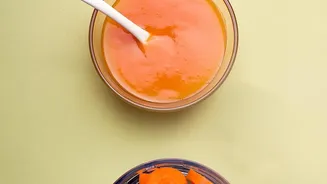
The prevalence of UPFs is now so high that it affects the diets of even the youngest children. Striking new research presented in August 2026 at a major nutrition conference found that a staggering 81% of foods marketed to toddlers were ultra-processed. The study, which audited nearly 2,800 products, also revealed that almost half failed to meet the World Health Organization's nutritional benchmarks, often due to high sugar content. This is concerning because dietary habits formed in early life can influence taste preferences and health outcomes for years to come. Exposing toddlers to a diet dominated by hyper-palatable, nutrient-poor foods can displace the whole foods needed for healthy growth and development.
A Practical Guide for Your Kitchen
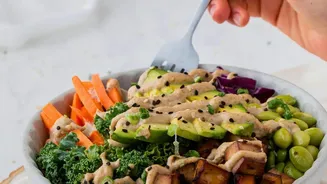
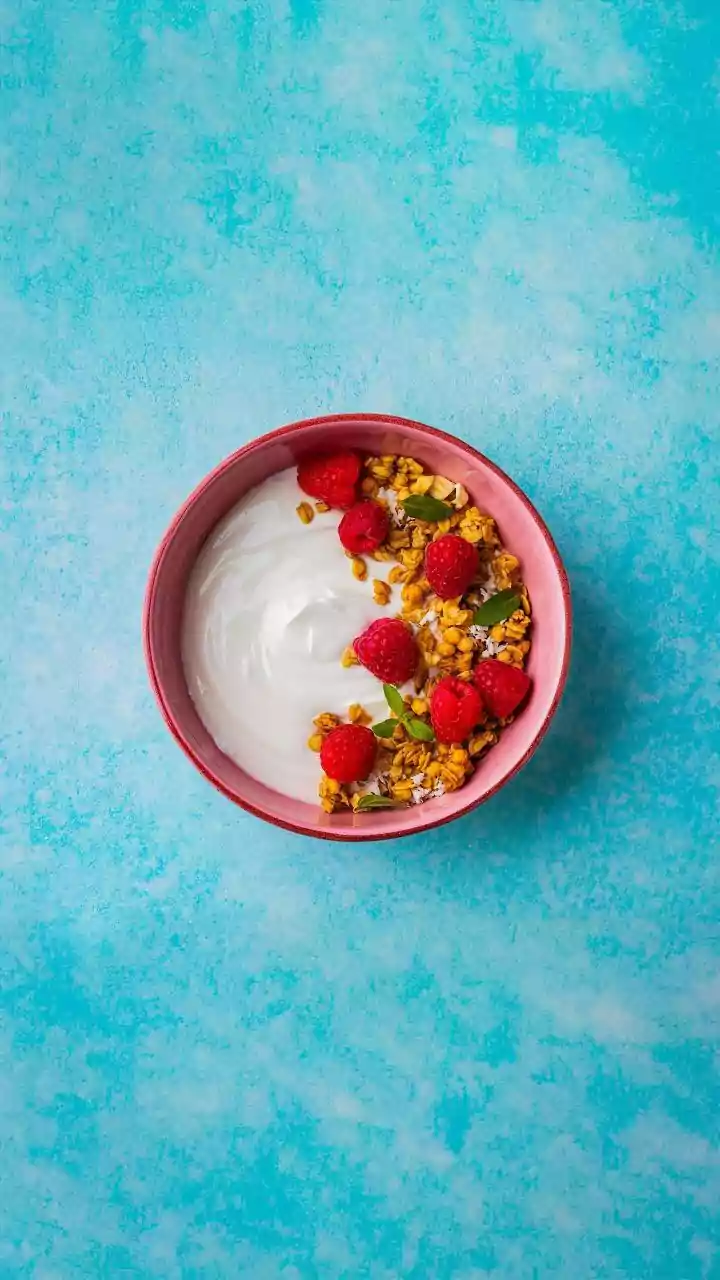
Understanding all this science is one thing, but navigating the grocery store is another. The goal isn't to achieve a perfectly pure diet, which is unrealistic for most. Instead, aim for mindful reduction and smart swaps. Start by reading labels—not just the nutrition facts, but the ingredients. A shorter list with recognizable items is usually a better sign. Try to make whole or minimally processed foods the foundation of your meals: think fresh vegetables and fruits, whole grains, and lentils. When possible, cook at home more often, which gives you full control over your ingredients. Simple swaps can make a big difference: choose plain yoghurt and add your own fruit instead of buying pre-flavoured, sugar-laden versions. Replace sugary drinks with water. The key is to focus on what you can add to your diet (more whole foods) rather than just what to remove.