


What Exactly Is Emmer?
Before there was the all-purpose flour lining supermarket shelves, there was emmer. Known as one of humanity’s first cultivated crops, emmer (Triticum dicoccum) is an ancient variety of wheat that traces its origins back to the Fertile Crescent over 10,000
years ago. It’s often called 'farro' in Italy, though that term can refer to a few different ancient grains. For millennia, it was a dietary staple for civilizations from ancient Egypt to the Roman Empire. Unlike modern wheat, which has been extensively hybridized for high yields and standardized baking performance, emmer is a 'heritage' grain that has remained genetically closer to its original form. This historical purity is a huge part of its current appeal, tapping into a growing desire for foods that feel more connected to the past and less processed by modern agriculture.
The Sourdough Synergy
The resurgence of sourdough baking during the pandemic years created a generation of home bakers obsessed with fermentation, crumb structure, and flavour. Emmer fits perfectly into this movement. Modern wheat is high in strong, elastic gluten, which creates light, airy bread. Emmer’s gluten is structured differently—it's less elastic and more extensible. This can be tricky for new bakers, but for sourdough enthusiasts, it presents a welcome challenge. The long, slow fermentation process of sourdough is the ideal partner for emmer. It helps to develop the grain’s complex flavours and strengthens its weaker gluten network, allowing for a respectable rise and a wonderfully moist, tender crumb that you wouldn't get from a quick, commercially yeasted loaf. The sourdough process essentially unlocks the grain's full potential.
A Different Kind of Healthy
While 'healthy' can be a loaded term, emmer boasts an impressive nutritional profile. Compared to common whole wheat, it’s generally higher in protein, dietary fibre, and essential minerals like magnesium and zinc. For many, the main draw is digestibility. Some people who experience sensitivity to modern wheat find that they can tolerate emmer more easily. This is partly attributed to its different gluten structure and the presence of lower levels of certain carbohydrates that can cause digestive issues. When you combine this with the fermentation of sourdough—which pre-digests starches and helps break down gluten and phytic acid (a compound that can inhibit nutrient absorption)—you get a loaf that is not only nutritious but also gentler on the gut for many individuals.
The Flavour and the 'Gram
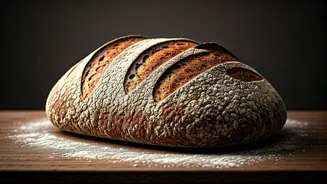
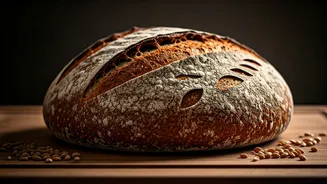
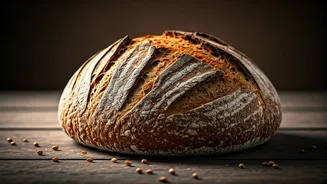
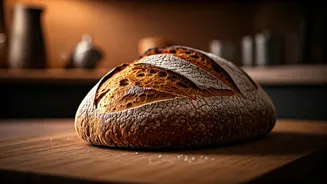
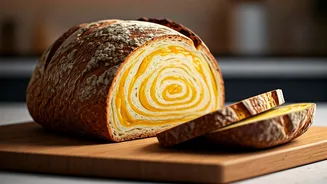
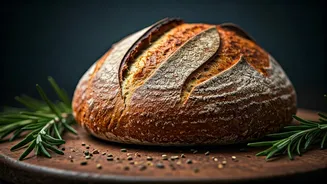
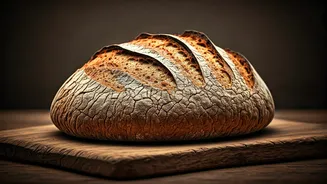
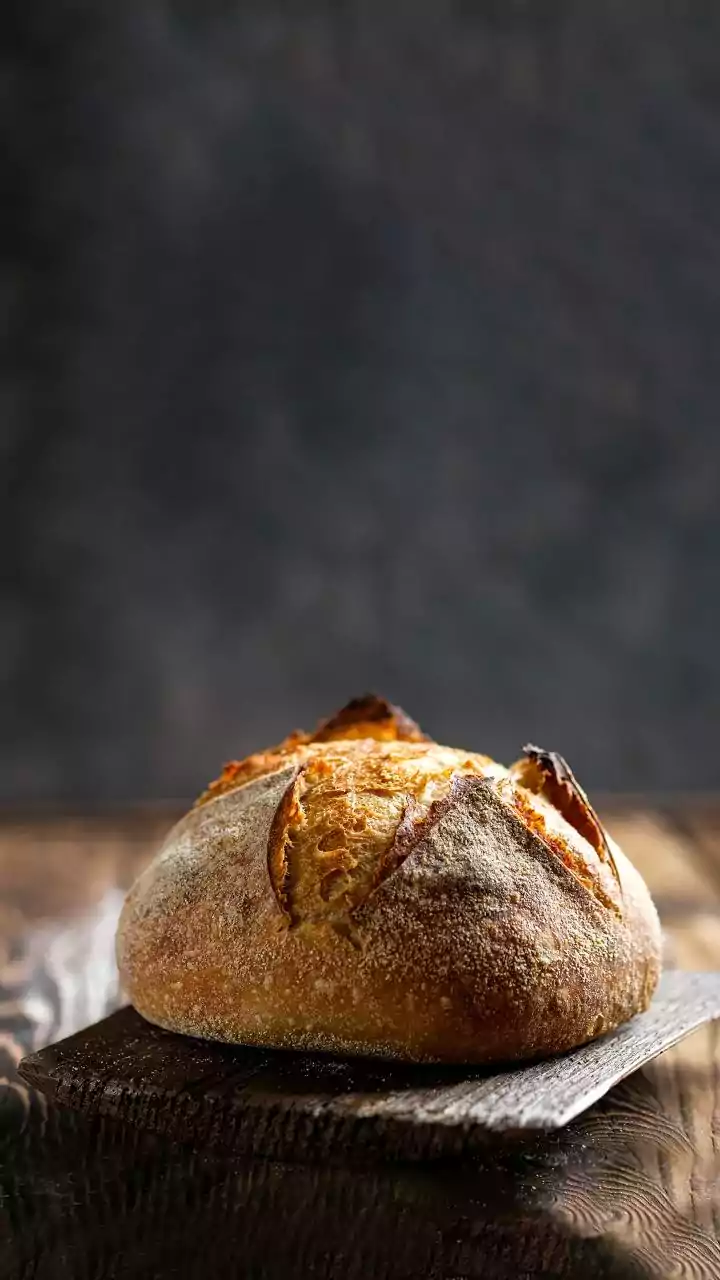
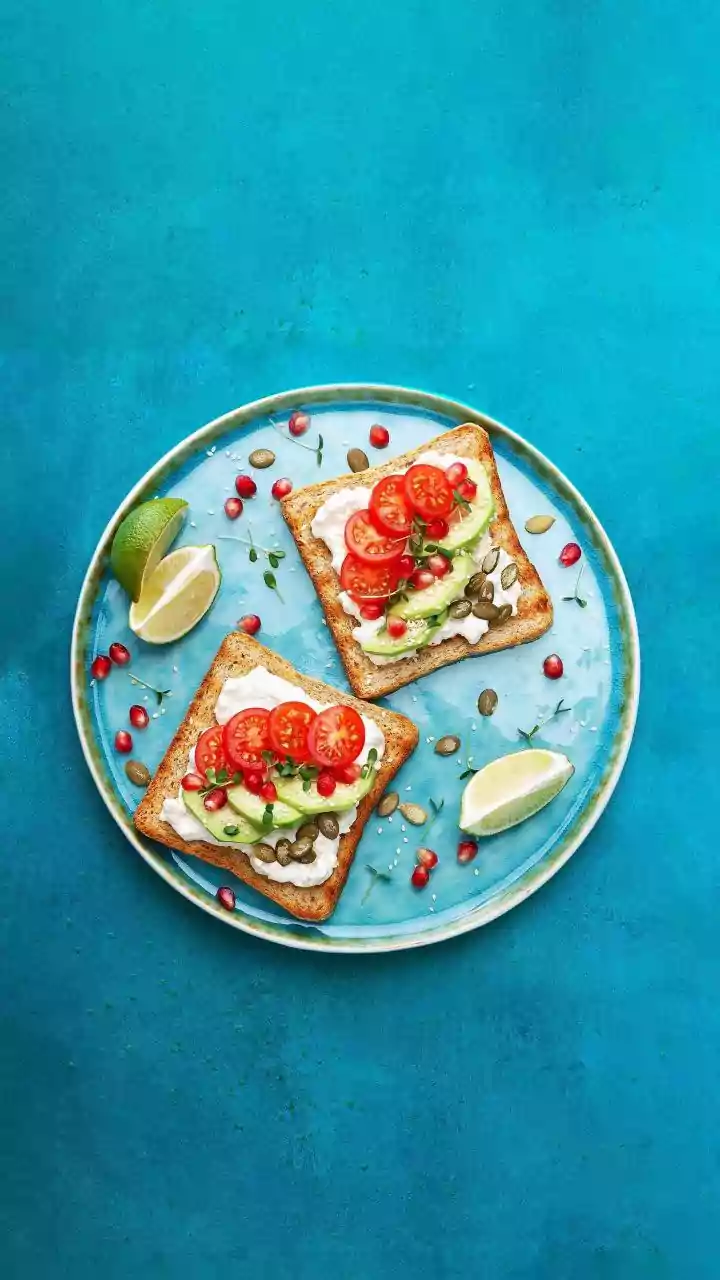
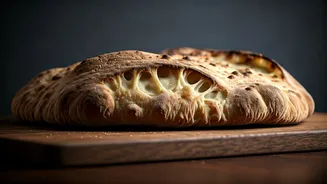
Let’s be honest: for a food to go viral, it has to look good. Emmer sourdough delivers. The grain gives the loaf a beautiful, deep reddish-brown colour and a rustic, artisanal appearance that is pure Instagram gold. The crumb is typically a bit denser than a standard white sourdough, with a wholesome, hearty texture that photographs beautifully. But its appeal goes far beyond aesthetics. The flavour is where emmer truly shines. It has a distinctly rich, nutty, and slightly sweet taste with earthy undertones, often described as having hints of hazelnut and caramel. It’s a complex and satisfying flavour that makes conventional whole wheat bread taste one-dimensional in comparison. This unique taste profile elevates everything from a simple slice with butter to a sophisticated avocado toast.