





The Secret of the Rain Shadow
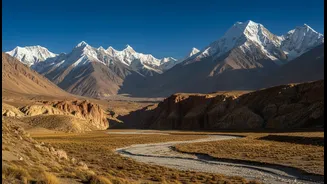
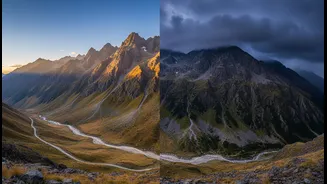
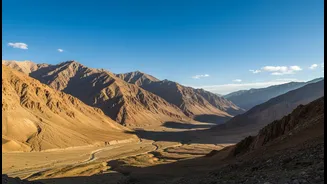
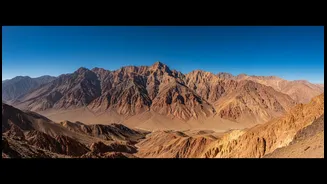
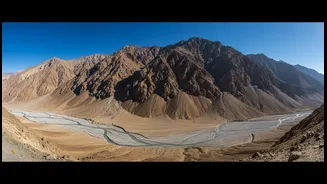
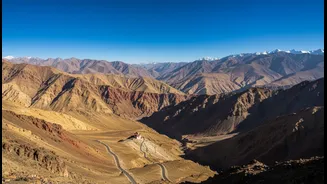
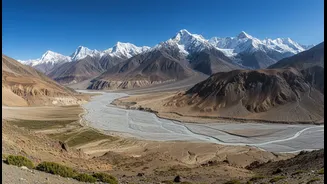
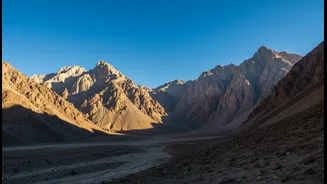
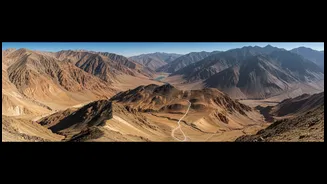
The magic behind a dry monsoon holiday in Spiti and Ladakh lies in a simple geographic phenomenon: the rain-shadow effect. The towering Himalayan ranges act as a colossal barrier, blocking the moisture-laden monsoon clouds that travel from the Indian
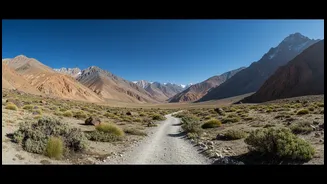
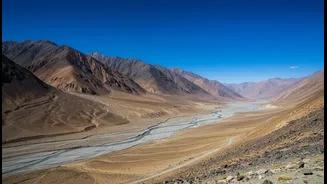
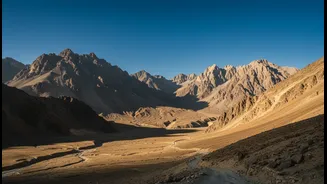
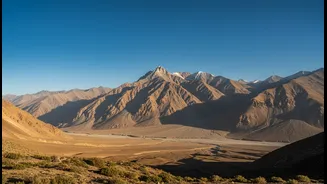
Ocean. As the winds ascend the mountains, they cool and release all their rain on the windward side. By the time they cross over to the other side—the leeward side where Ladakh and Spiti are located—the air is dry. This results in a stark, arid landscape that receives minimal rainfall, making the months of July and August the perfect time for clear skies and outdoor adventures, while most of the country experiences heavy downpours.
Ladakh: The Land of High Passes and Vast Vistas
Ladakh's popularity has surged, with a significant increase in tourist arrivals recorded this year. It offers a grand, cinematic scale of beauty that is more accessible to the first-time high-altitude traveller. Thanks to regular flights into Leh, visitors can save time on travel. The region is famous for the stunning turquoise Pangong Tso, the surreal sand dunes of Nubra Valley, and some of the world's highest motorable passes. The tourism infrastructure is well-developed, with a wide range of hotels and organised activities like white-water rafting, which is best experienced in the monsoon months due to high water levels. Many cultural festivals also take place during this peak season, offering a vibrant glimpse into Ladakhi traditions.
Spiti Valley: The Raw and Remote Himalayan Gem
If Ladakh is cinematic, Spiti is an intimate, off-beat poem. Tucked away in Himachal Pradesh, Spiti Valley is for the traveller who loves the journey as much as the destination. It is generally considered more budget-friendly than Ladakh. Reaching Spiti requires a multi-day road trip, either via Manali (open from June to October) or the year-round route via Shimla, which allows for gradual and safer acclimatisation. The reward is a rawer, less crowded experience. Life here revolves around ancient, cliff-hanging monasteries like Key and Tabo, and remote villages such as Komic and Langza. It's a place for slower, more immersive travel, where homestays offer authentic cultural connections.
Choosing Your High-Altitude Adventure
Deciding between the two depends entirely on your travel style. Choose Ladakh if you have limited time, appreciate convenience, and want to see grand, iconic landscapes with better infrastructure. It is an excellent choice for families and those seeking a mix of adventure and comfort. On the other hand, choose Spiti if you are looking for a more rugged, off-the-grid road trip experience, fewer tourists, and deeper cultural immersion on a tighter budget. Spiti rewards those who are willing to trade some comfort for solitude and a feeling of stepping back in time. While both are best visited between June and September, be aware that even in these dry regions, climate change has introduced occasional light drizzles, and the approach roads through lower-altitude regions can be affected by monsoon landslides.
How to Plan Your Monsoon Escape
Proper planning is crucial for a successful trip to either destination. Acclimatisation is non-negotiable; spend at least a day or two resting at high altitude before undertaking strenuous activity. Drink plenty of water to stay hydrated. Packing essentials include warm layers for the cold nights, sunscreen, sunglasses, and basic medicines. While Ladakh requires an Inner Line Permit for areas like Pangong and Nubra Valley, Spiti is largely permit-free for Indian nationals, except for the Rohtang Pass if travelling via Manali. ATMs are scarce, especially in Spiti, so carrying sufficient cash is wise. Finally, travel with a flexible mindset. The mountains are unpredictable, and road conditions can change quickly, but that's all part of the Himalayan adventure.