


Why Your City Sky Fails the Star Test
The primary culprit for the disappearing stars is something called 'light pollution'. Cities are drenched in artificial light from street lamps, buildings, and advertising billboards. This light scatters in the atmosphere, creating a persistent, hazy
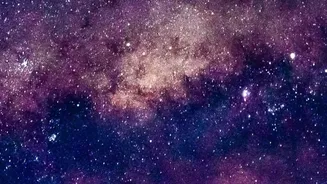
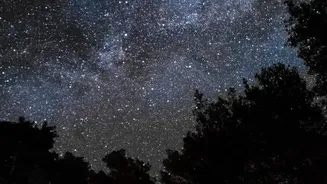
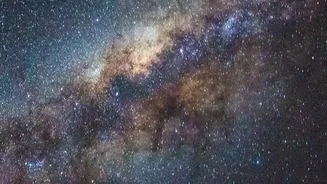
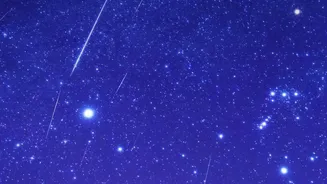
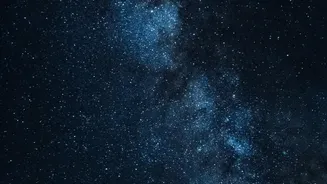
dome of brightness known as 'skyglow'. This glow effectively outshines the faint light from distant stars and galaxies, rendering them invisible to the naked eye. In a major city, you might see a few hundred stars at best. From a truly dark, remote location, that number can jump to thousands, along with the magnificent sprawl of the Milky Way. Furthermore, remote locations, especially those at high altitudes, benefit from a clearer, thinner atmosphere. Urban areas often have more dust, smoke, and pollutants in the air, which further obscure the sky. Getting away from cities and climbing higher means you have less air and fewer particles to look through, resulting in a sharper, more brilliant cosmic view.
Hanle, Ladakh: India's Celestial Crown Jewel
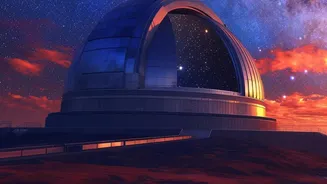
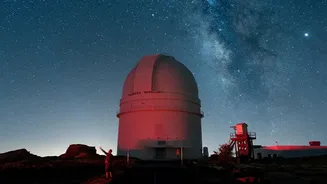
For the ultimate stargazing experience, nowhere in India rivals Hanle. Located in Ladakh's Changthang region, it is home to India's first official Dark Sky Reserve. This designation means there are strict controls on artificial lighting to preserve the pristine darkness. Situated at an altitude of 4,500 metres, Hanle benefits from bone-dry air and over 200 clear nights a year. The result is a sky so dark it achieves a Bortle Class 1 rating—the darkest possible classification. Here, the Milky Way isn't just a faint band; it's a breathtaking, textured river of light bright enough to cast shadows. The reserve is also home to the Indian Astronomical Observatory, and local communities are trained to guide tourists, making it a hub for serious astro-tourism.
Spiti Valley, Himachal Pradesh: A High-Altitude Desert Dream
Another Himalayan treasure, Spiti Valley, is a cold desert renowned for its otherworldly landscapes and equally stunning night skies. Villages like Kibber, Langza, and Komic sit at altitudes above 4,000 metres, far from any significant light pollution. The dry, thin air provides exceptional clarity, making it a favourite for astrophotographers and stargazers. In Langza, the giant Buddha statue provides a dramatic foreground for shots of the Milky Way's core, which is most prominent from May to September. At Chandratal, the 'Moon Lake', calm nights offer a 'black mirror' effect, reflecting the cosmos on the water's surface for a truly surreal experience.
Rann of Kutch, Gujarat: Stars Over a Salt Desert
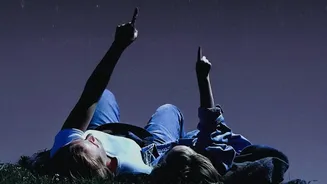
Imagine a vast, flat expanse of white salt reflecting the starlight from above. That's the magic of stargazing in the Great Rann of Kutch. This unique landscape offers an unobstructed horizon-to-horizon view with almost no light pollution. The best time to visit is during the Rann Utsav (typically November to February), when the winter air is dry and clear. On new moon nights, the sky is at its darkest, revealing countless stars and the Milky Way. The experience of lying on the cool salt flats under a dome of stars is often described as feeling like you're floating in space. For an even better view, Kala Dungar (the Black Hill) offers an elevated vantage point over the entire Rann.
Coorg, Karnataka: A Southern Starry Escape
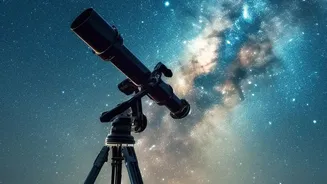
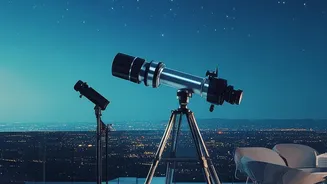
You don't have to go to the Himalayas or a desert for a great view. Nestled in the Western Ghats, Coorg offers a lush, green alternative for skywatchers in South India. Its high elevation and distance from major cities ensure clear, dark skies, especially during the dry winter months. Places like Tadiandamol, the highest peak in the region, and remote areas around Madikeri provide excellent viewing spots. There are even dedicated astro-tourism outfits in the area, like the Starscapes Observatory, which offer guided sessions with powerful telescopes, making it an accessible destination for beginners and families to explore the moon's craters, planets, and star clusters.
Your First Stargazing Trip: A Beginner's Checklist
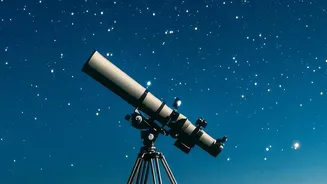
Ready to plan your celestial adventure? A little preparation goes a long way. First, check the lunar calendar and plan your trip around the new moon for the darkest skies. Next, download a stargazing app like SkyView or Star Walk; they use your phone's GPS to identify constellations and planets in real-time. When you're out there, give your eyes at least 20 minutes to fully adapt to the darkness. Avoid using a white flashlight; a red one will preserve your night vision. Finally, pack warm layers. Even in deserts, nights can get surprisingly cold. Binoculars are a great starting tool before investing in a telescope.