







The Shift Worker's Sleep Dilemma
For millions of Indians working in shifts—from call centres and hospitals to manufacturing plants—the battle for good sleep is a daily reality. The human body is naturally wired to a 24-hour cycle known as the circadian rhythm, which tells us when to wake
up and when to wind down. This internal clock is heavily influenced by light. When you work through the night and try to sleep during the day, you’re essentially fighting against millennia of biological programming. This misalignment, or circadian disruption, leads to shorter, less restorative sleep, increased sleepiness during shifts, and a host of potential health issues.
How Light Controls Your Brain
Think of light as the master switch for your body’s clock. When light, particularly blue light, hits specialized receptors in your eyes, it sends a powerful signal to your brain: “It’s daytime, stay alert!”. This process suppresses the production of melatonin, the hormone that makes you feel sleepy. In our modern world, we are surrounded by sources of blue light long after the sun has set—from bright overhead LED lights to our smartphones, tablets, and televisions. For a shift worker trying to wind down before a day of sleep, this constant exposure can trick the brain into thinking it's still time to be awake, significantly delaying the onset of sleep and reducing its quality.
Create Your Own 'Digital Sunset'
The key strategy is to create an artificial sunset in the hours before you plan to sleep, regardless of the actual time of day. This involves systematically reducing your exposure to bright, blue-spectrum light to allow your body’s natural melatonin production to kick in. A study published in the journal SLEEP found that circadian-informed lighting significantly improved sleep duration and quality for night shift workers. By managing your light environment, you can send a clear signal to your brain that it’s time to prepare for rest, helping to ease the transition into deep, restorative sleep. It's about working with your body's biology, not against it.
Actionable Steps for Better Lighting
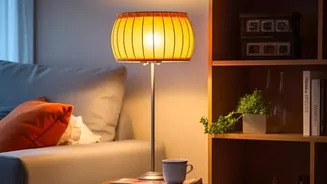
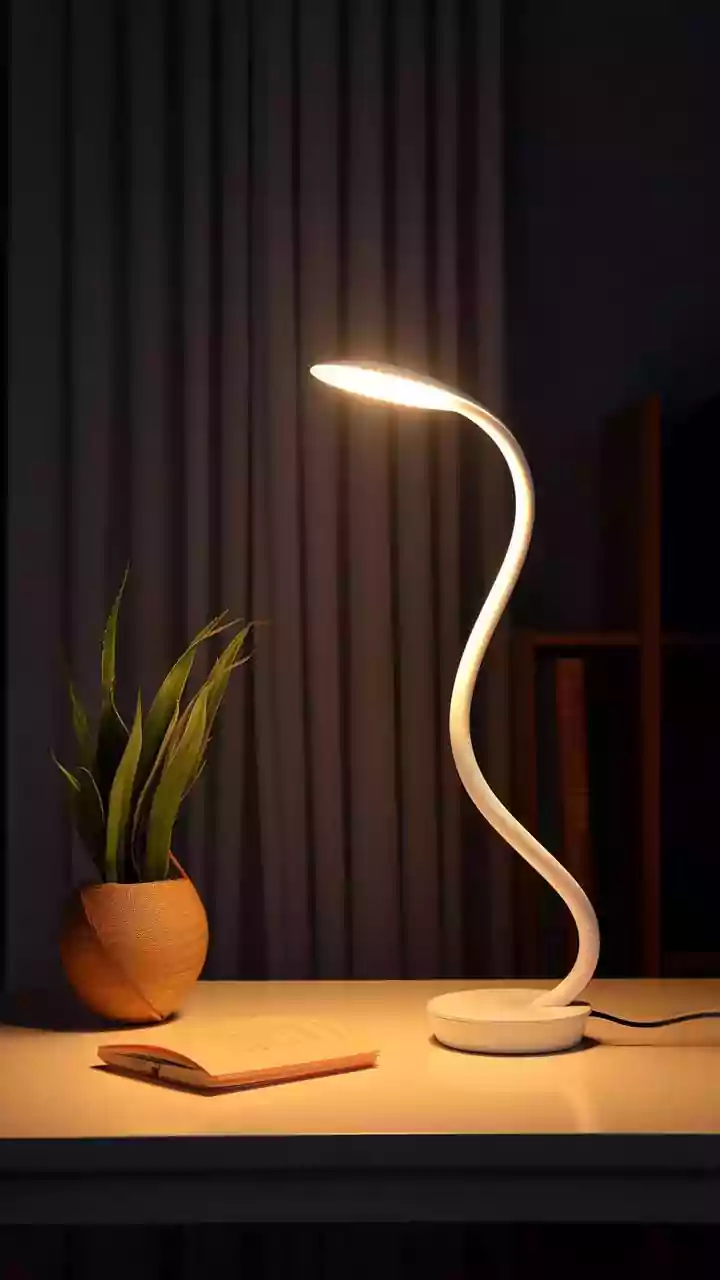
Implementing this strategy doesn't have to be complicated. Start by making small changes in the 1-2 hours before your intended bedtime: Switch to Warm Lighting: Replace cool, white-light bulbs in your bedroom and living areas with warm-toned ones (those with a yellowish or reddish hue). Red, amber, and orange lights have the least impact on melatonin. Dim the Lights: Lowering the overall brightness in your home signals to your brain that the day is ending. Avoid bright overhead lights and opt for lamps with dimmers or softer, indirect lighting instead. Activate 'Night Mode' on Devices: Most smartphones, tablets, and computers have a built-in feature (like Night Shift on iPhones or Night Light on Android) that shifts the screen’s colour temperature to warmer tones after sunset. Make sure this is enabled. Consider Blue-Light-Blocking Glasses: If you must use screens or be in a brightly lit environment before bed, wearing a pair of blue-light-blocking glasses can be highly effective. They filter out the disruptive blue wavelengths, preventing them from reaching your eyes.
Beyond Light: A Complete Sleep Strategy
While managing light is crucial, it’s most effective as part of a broader sleep hygiene plan. To maximize your rest, try to maintain a consistent sleep schedule, even on your days off. Your sleep environment should be as dark, quiet, and cool as possible. Blackout curtains are a shift worker’s best friend, as they block out daylight that can disrupt sleep. Similarly, using an eye mask and earplugs or a white noise machine can help insulate you from daytime sounds and light. Avoid caffeine in the latter half of your 'day' (your waking hours) and establish a relaxing pre-sleep routine, such as reading a book in dim, warm light, to signal that it's time to unwind.