

The Purity Puzzle: Karats Matter
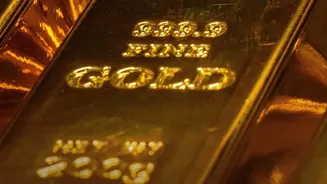
The first and most significant factor is gold purity. The price you see flashing on news channels is typically for 24-karat (24K) gold, which is 99.9% pure. However, pure gold is too soft for crafting durable jewellery. Therefore, most Indian jewellery is made
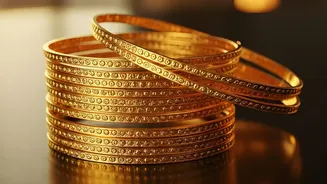
from 22-karat (91.6% pure gold) or 18-karat (75% pure gold) gold, where it is mixed with alloys like copper or silver for strength. When you exchange old jewellery, the buyer pays for the actual gold content, not the total weight of the piece. The calculation starts by determining the net weight of pure gold. For example, a 10-gram, 22K bangle contains only 9.16 grams of pure gold, and its base value is calculated on that weight.
Vanishing Making Charges
When you first bought your jewellery, the price included 'making charges'. These charges, which can range from 8% to over 25% of the gold's value, cover the labour, craftsmanship, and design intricacy of the piece. Think of it as the fee for the artisan's skill. However, when you exchange or sell that jewellery, you are essentially selling the raw material—the gold itself. The design and craftsmanship have no monetary value in the resale market, so making charges are non-refundable. This is often the single largest reason for the significant difference between your original purchase price and the final exchange value offered.
Melting and Wastage Deductions
To be repurposed, your old ornament must be melted down and refined back into pure gold. This process isn't perfectly efficient; a small amount of gold is inevitably lost as dust or during purification. Jewellers account for this by applying a 'wastage' or 'melting charge', typically deducting between 2% and 7% from the gold's value. This deduction covers the cost and material loss associated with converting an old, finished piece back into a raw, usable form. For intricate or traditional designs that may have required more complex crafting, the wastage deduction might be on the higher end.
What's Not Gold Gets Left Behind
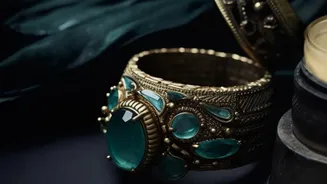
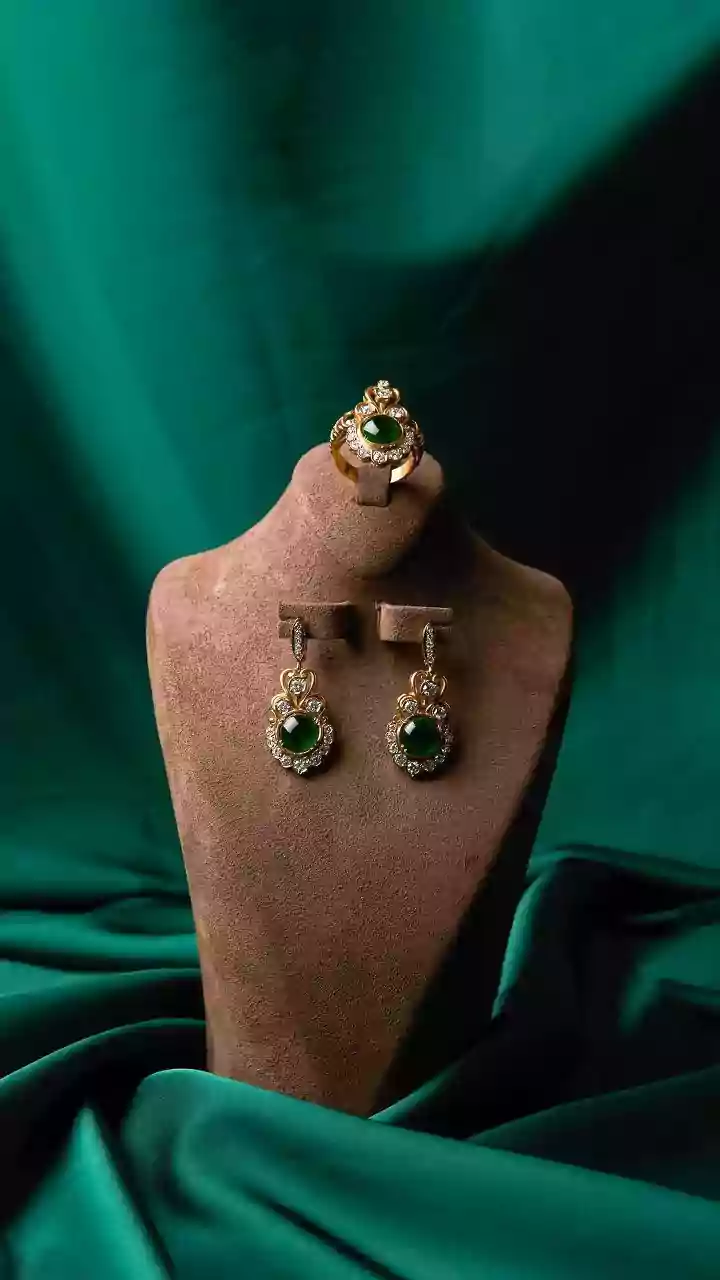
Many jewellery pieces are adorned with stones, pearls, enamel work, or contain lac (wax) for support in heavier traditional designs. When a jeweller evaluates your ornament, the weight of all non-gold materials is carefully estimated and subtracted from the total weight. You are only paid for the net weight of the gold. While some jewellers may offer a separate, nominal value for precious stones like diamonds, semi-precious stones and other decorative elements are generally not included in the gold valuation. This ensures the price is based strictly on the precious metal being exchanged.
The Power of a Hallmark
A BIS (Bureau of Indian Standards) hallmark is a certification of purity stamped on the jewellery. Exchanging a hallmarked piece provides the buyer with immediate, verified proof of its karatage (e.g., 22K916). This transparency builds trust and often results in a better and faster valuation process with potentially lower deductions, as the buyer's risk is reduced. For non-hallmarked items, the jeweller must rely solely on their testing methods, which may lead them to apply a more conservative valuation to hedge against uncertainty in the gold's purity.