




Why July is a Prime Time for Planting
After the intense heat of summer, the monsoon season, typically from June to September in India, provides a rejuvenating environment for plants. The increased humidity, natural watering from rainfall, and cooler temperatures create ideal conditions for seed
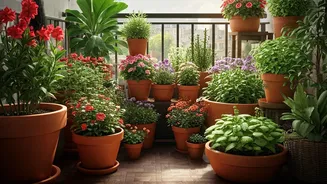
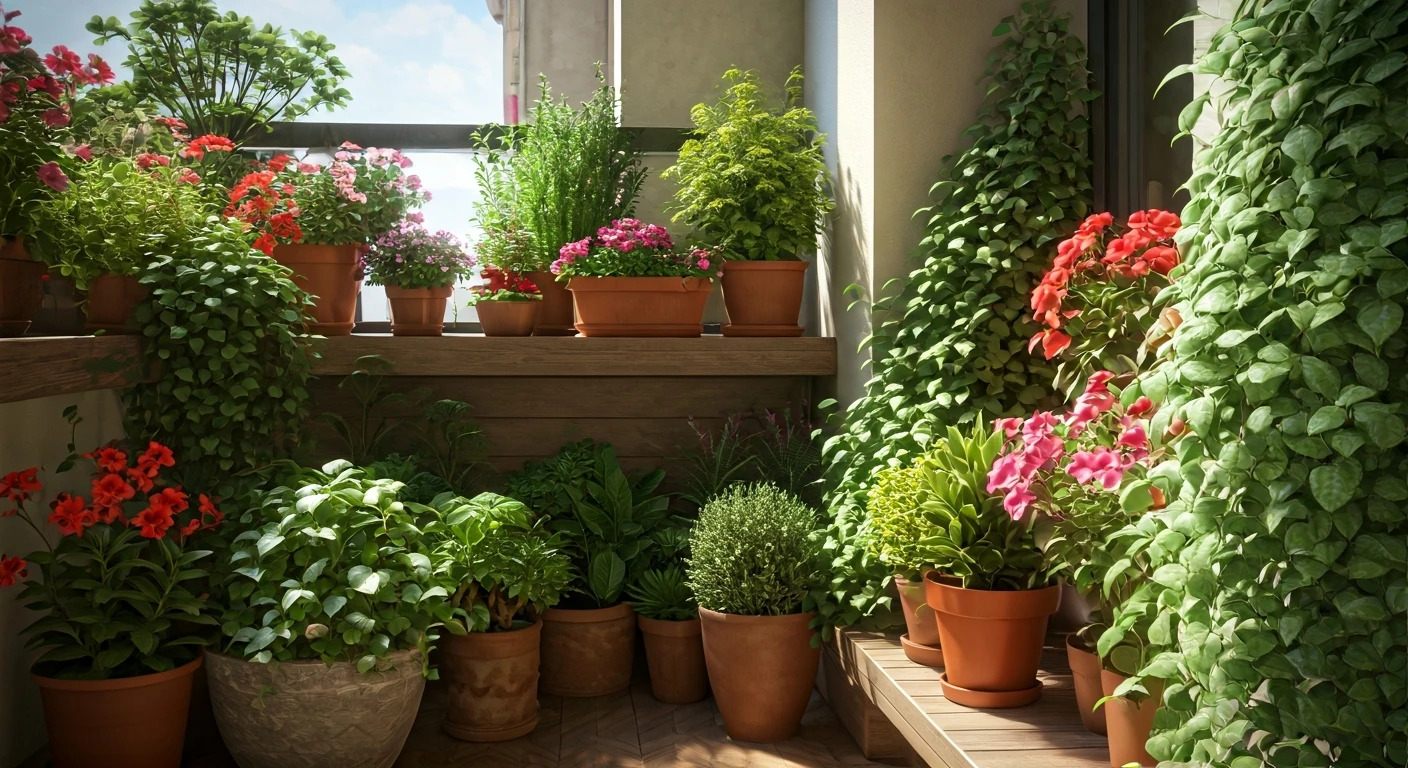
germination and rapid growth. For balcony gardeners, this means less time spent with the watering can and more time enjoying vibrant foliage and fresh produce. The key is to select plants that love these conditions and to manage the excess water effectively. With the right approach, your balcony can become more lush and green during the monsoon than at any other time of year.
Best Vegetables for Your July Balcony
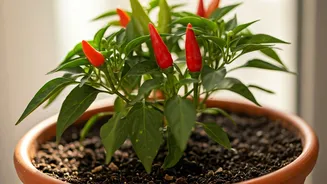
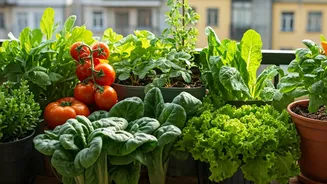
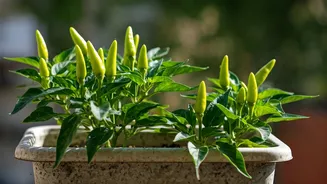
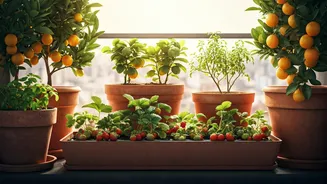
July is an excellent month for starting a kitchen garden on your balcony. Many vegetables thrive in the monsoon's humid and warm weather. Okra (bhindi), chillies, and brinjal are fantastic choices that grow well in pots. Okra, in particular, is a fast-growing plant that handles monsoon humidity well. Tomatoes and cucumbers are also great options, though they need well-drained soil to prevent waterlogging. For leafy greens, consider planting amaranth (chaulai) and Malabar spinach, which flourish in these conditions. Gourds like bottle gourd (lauki) and ridge gourd (turai) are champions of monsoon gardening, but they are climbers and will require a trellis for support.
Vibrant Flowers That Love the Rain
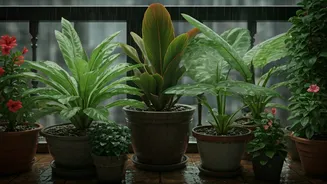
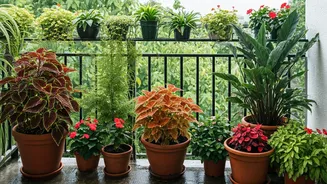
If you're looking to add a splash of colour, several flowering plants burst into bloom during the rainy season. Hibiscus and jasmine are classic monsoon-loving plants that adore the humidity. Marigolds are another reliable choice; they are hardy, handle rain well, and have the added benefit of being natural pest repellents. For a cheerful display, consider planting balsam, periwinkle, or rain lilies, which often bloom right after a shower. Bougainvillea is a showstopper, but it's crucial to ensure its pot has excellent drainage as it flowers best when the soil is allowed to dry out between waterings.
Essential Monsoon Care: Drainage is Key
The single most important rule for monsoon balcony gardening is ensuring proper drainage. Heavy rains can quickly lead to waterlogged soil, which causes root rot and can kill your plants. Make sure every pot has at least one, and preferably multiple, drainage holes. It's a good practice to elevate your pots on stands, bricks, or even small stones to allow excess water to escape freely. During periods of heavy, continuous rain, consider removing the saucers from underneath your pots to prevent water from collecting. A well-draining potting mix, often containing soil, compost, and sand or coco peat, is also crucial.
Watering, Pests, and Protection
While the rain helps, you still need to monitor your plants. On days without rain, check the soil before watering; the high humidity means it might still be moist. Overwatering is a common mistake during the monsoon. The humid conditions are also ideal for pests and fungal diseases like powdery mildew. To combat this, ensure good air circulation by not overcrowding your plants. A preventative spray of diluted neem oil every couple of weeks can help keep pests at bay. For taller plants, providing stakes for support is a wise move to protect them from strong monsoon winds and the weight of heavy rainfall.
Avoid These Common Mistakes
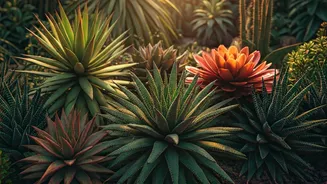
While many plants thrive in the monsoon, some do not. Keep succulents and cacti in a covered area, as too much water will cause them to rot. Also, be mindful of plants prone to fungal diseases. Using heavy clay soil that retains too much water is another common pitfall. Finally, remember that rainwater can wash away nutrients from the soil. A light top-dressing of compost or vermicompost every few weeks can help replenish them and keep your plants well-fed.