







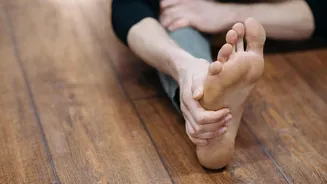

Analyse Your Foot Type
Before you even step into a shoe store, understanding your own feet is crucial. Most people have one of three arch types: neutral, flat, or high. You can get a rough idea with a simple 'wet test': wet your foot, step on a dark piece of paper, and examine
the print. A full footprint suggests flat feet, while a very narrow print in the middle indicates high arches. Your foot type determines how you distribute weight and absorb shock. Those with flat feet often overpronate (their foot rolls inward), and may need a stability shoe with firm support. People with high arches tend to supinate (roll outward) and should look for neutral shoes with generous cushioning to absorb impact.
Shop at the Right Time
Believe it or not, the time of day you shop for shoes matters. Experts recommend trying on shoes in the late afternoon or evening. Why? Because your feet naturally swell throughout the day, especially after you've been walking or standing. Buying shoes when your feet are at their largest ensures they won't feel too tight and uncomfortable after a long walk. Also, be sure to wear the same type of socks you typically use for walking to get the most accurate fit during your try-on.
Prioritise the Right Fit, Not the Size Number
Shoe sizes can vary significantly between different brands, so don't get stuck on a number. The most important factor is how the shoe actually fits your foot. There should be about a half-inch, or a thumb's width, of space between your longest toe and the end of the shoe. Your toes should have enough room to wiggle freely without being squeezed. The shoe should feel snug around your heel and midfoot, preventing your foot from sliding, which can cause blisters. If you have one foot that's larger than the other, always fit the shoe to your larger foot.
Check for Cushioning and Flexibility
Good walking shoes need to absorb the repetitive impact of your feet hitting the ground. Look for adequate cushioning in the midsole, which not only provides comfort but helps prevent common issues like shin splints. However, cushioning must be balanced with flexibility. A good walking shoe should bend where your foot naturally flexes—at the ball of the foot—not in the middle of the arch. A shoe that is too stiff will fight against your natural stride, while one that's too flimsy won't offer enough support.
Test for Stability
A stable shoe provides a secure platform for your foot, which is essential for good balance and preventing ankle rolls. You can perform a couple of simple tests in the store. First, hold the shoe by the heel and toe and try to twist it. It should offer moderate resistance and not feel flimsy. Second, check the heel counter—the part that wraps around the back of your heel. It should be firm to provide solid ankle support. A shoe that feels unstable in the store will only feel worse after miles of walking.
Don't Expect a 'Break-In' Period
A common mistake is buying shoes that feel a bit too tight, assuming they will stretch out over time. Quality walking shoes should feel comfortable right out of the box. While there might be a very short adjustment period, they should not cause pinching, rubbing, or immediate discomfort. Walk around the store for a few minutes to ensure there are no 'hot spots' or areas of pressure. The comfort you feel in the store is a good indicator of how the shoe will perform on a real walk.