
Paradise Under Pressure
Meghalaya, the 'Abode of Clouds', is home to some of India's most stunning natural landscapes, from living root bridges to cascading waterfalls. Central to this beauty are its rivers, particularly the Umngot, which flows through Dawki and Shnongpdeng.
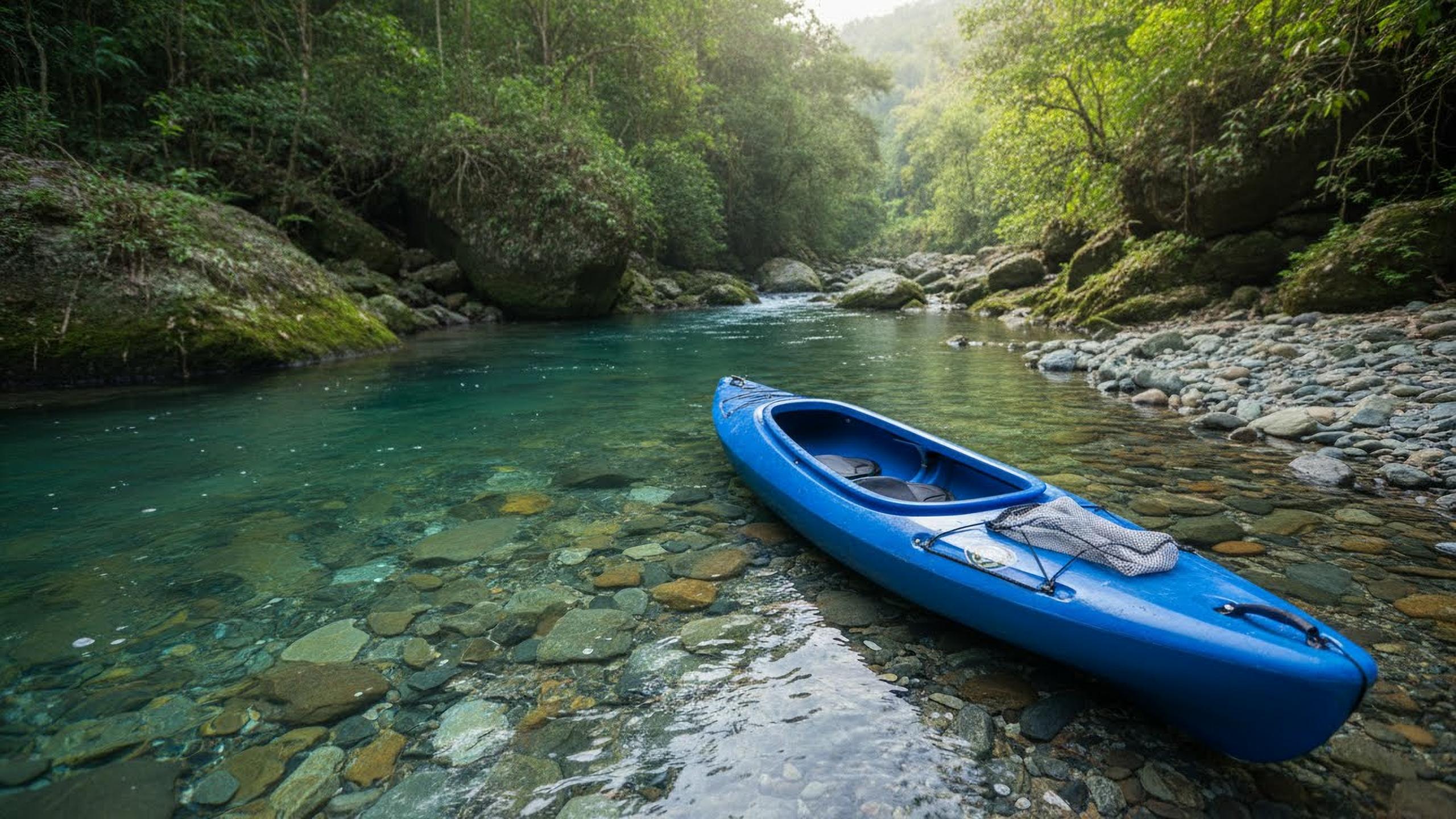
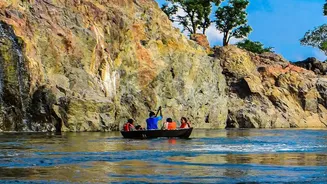
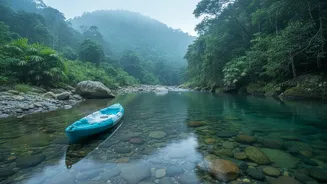
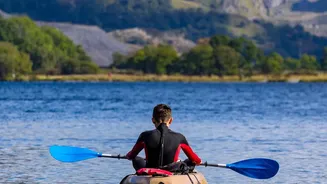
For years, the Umngot has been celebrated for its astonishingly clear water, giving boaters the illusion of floating on air. This natural wonder has turned the region into a major tourist hub, supporting the livelihoods of countless local families through boating, homestays, and adventure activities. However, this popularity has come at a cost. An increase in tourism, coupled with challenges like waste management and nearby construction, has begun to threaten the delicate ecosystem. In recent years, the once-pristine waters have at times become murky, raising alarms among local communities and environmentalists about the long-term health of the river.
Paddles With a Purpose
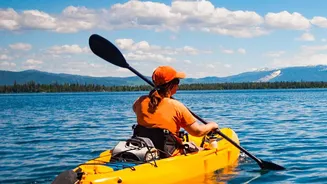
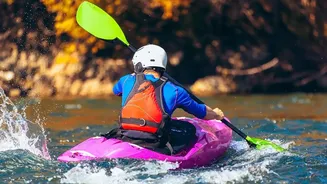
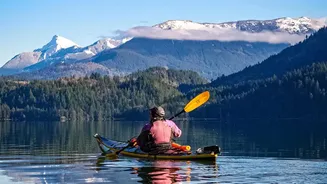
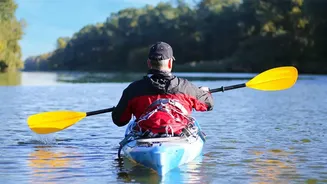
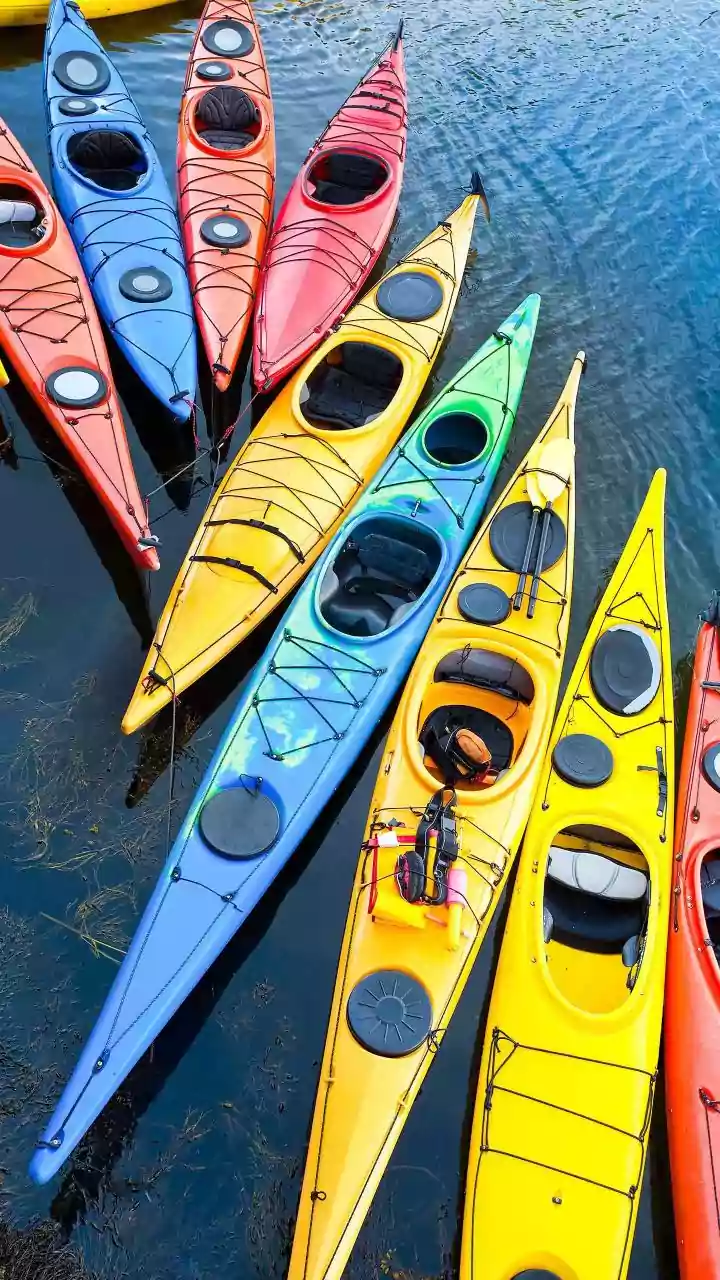
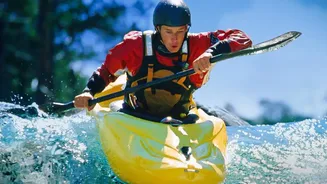
In response to these environmental pressures, a unique and inspiring form of tourism is taking root. Local entrepreneurs and community groups are now offering eco-friendly kayaking tours that go beyond simple sightseeing. These tours combine the adventure of paddling through breathtaking scenery with a hands-on mission: cleaning up the waterways. Instead of just being passive observers, tourists become active participants in conservation. Organisers of these initiatives provide kayaks, life jackets, and the necessary equipment like gloves and bags for collecting waste. The concept is simple yet powerful—enjoy the river's beauty while helping to restore it. This model transforms a typical tourist activity into a meaningful contribution, fostering a deeper connection between visitors and the destination.
An Interactive Cleanup Experience
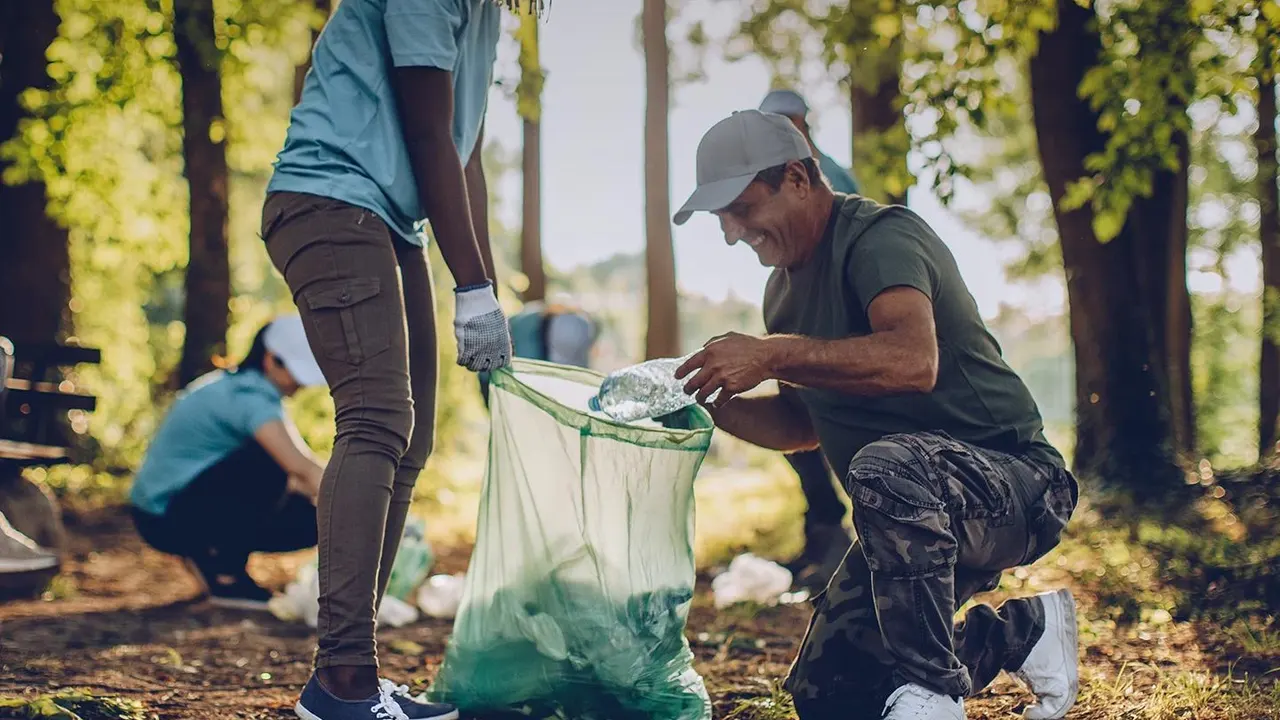
What makes these tours special is their interactive nature. The experience often starts with a briefing not just on kayaking safety, but also on the local ecology and the specific environmental challenges the river faces. As travellers paddle along, guides, who are often from local villages, point out areas where litter tends to accumulate, such as plastic bottles, wrappers, and other debris left behind. Participants work together to collect this waste from the water and riverbanks, turning the journey into a collaborative effort. It’s an educational experience that raises awareness about the impact of single-use plastics and the importance of responsible waste disposal. For many tourists, the act of pulling litter from such a beautiful river is a sobering and motivating experience, leaving a far more lasting impression than a standard boat ride.
The Ripple Effect of Responsible Travel
The impact of these eco-tours extends far beyond the collected waste. They represent a significant shift towards sustainable tourism, a model that Meghalaya is increasingly championing. By choosing such tours, travellers directly support local economies and empower communities that are committed to environmental stewardship. This creates a virtuous cycle: tourism provides a viable livelihood, which in turn incentivises the protection of the natural resources that attract visitors in the first place. Furthermore, these initiatives serve an important educational role, influencing the mindset of tourists who may carry these conservation lessons back to their own communities. This approach aligns with a broader movement in the state to integrate traditional knowledge with modern conservation strategies, ensuring that development does not come at the expense of the environment.
How to Get Involved
For travellers looking to make a positive impact, participating in an eco-kayaking tour is a fantastic opportunity. These activities are predominantly available in the areas around Shnongpdeng and Dawki on the Umngot River. Several local operators and community-led groups offer these experiences, which are suitable for both novice and experienced kayakers. The best time to visit is typically between November and March when the waters are calm and clear. When planning a trip, tourists are encouraged to seek out operators who explicitly promote eco-friendly and community-based practices. By doing so, you not only get to enjoy an unforgettable adventure in one of India's most beautiful settings but also become part of the solution to preserve it for generations to come.