



Beyond Butter Chicken and Biryani
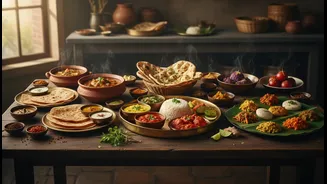
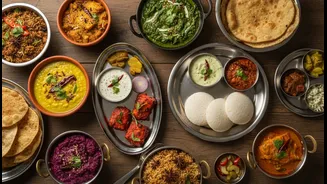
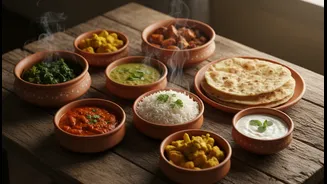
For years, the digital representation of Indian food was dominated by a few well-known superstars. Butter chicken, biryani, and paneer tikka became global shorthand for an entire subcontinent's cuisine. But now, a new wave of content is pushing past these
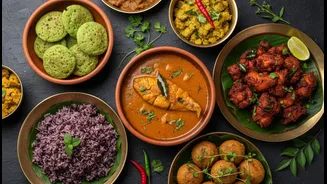
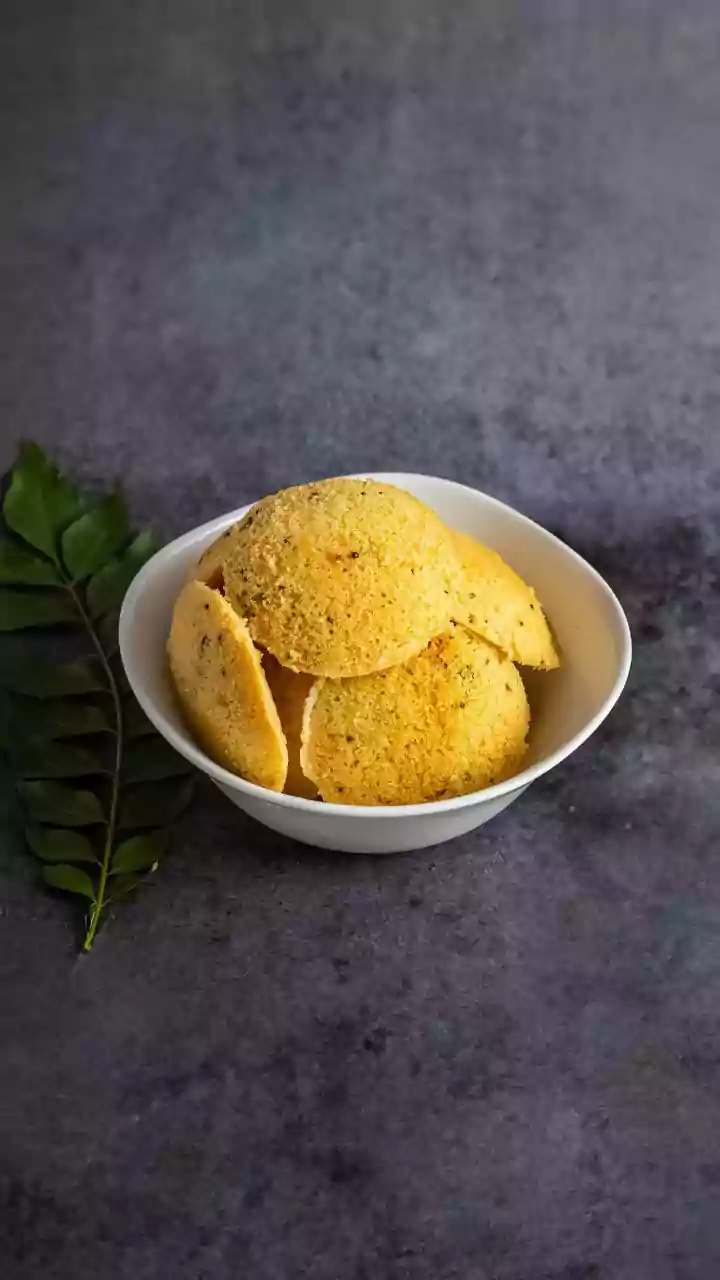
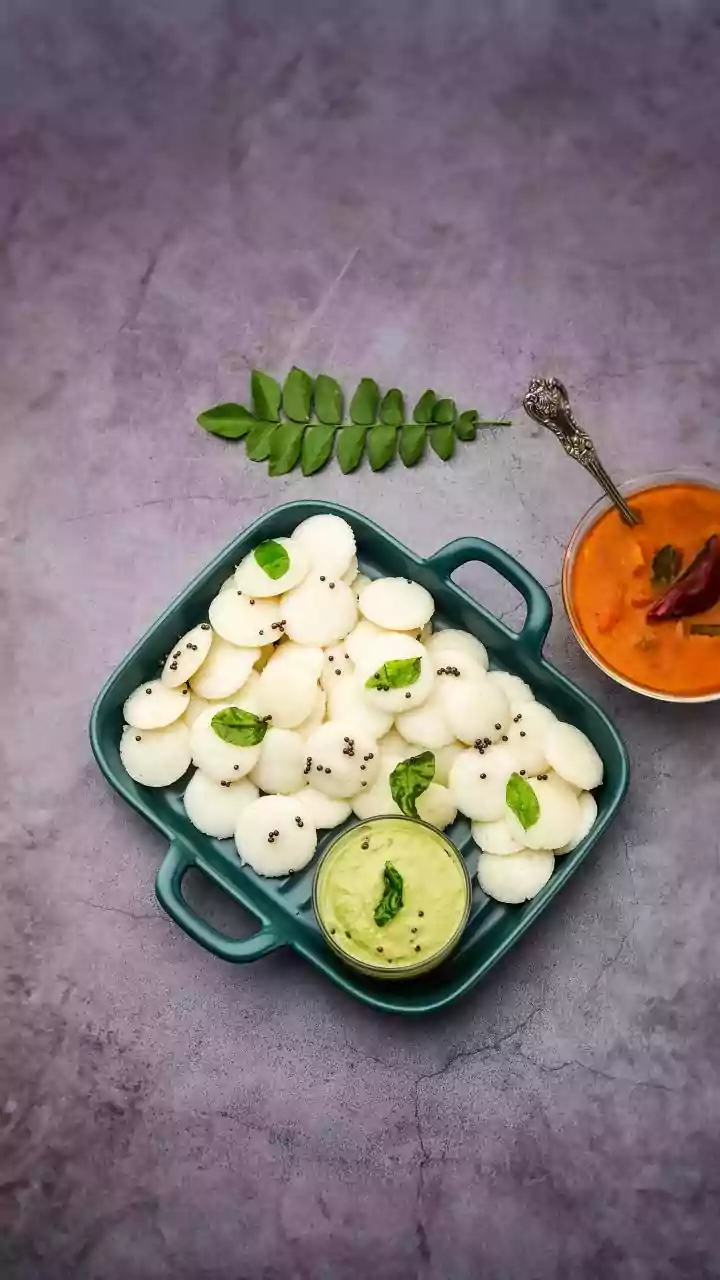
familiar favourites. The spotlight is turning to hyper-regional dishes, the kind of food rooted in a specific community, climate, and culture. Suddenly, feeds are filled with dishes like Uttarakhand’s Aloo Ke Gutke, a spicy potato dish, or Manipur’s Chak-Hao Kheer, a black rice dessert. These are not restaurant inventions, but recipes from home kitchens, showcasing a culinary diversity that was previously invisible to the mainstream.
A Hunger for Authenticity and Connection
So, what’s driving this shift? Experts point to a growing desire for authenticity, especially among younger generations. In a world of globalized trends that can feel impersonal, food has become a powerful way to connect with one's heritage. Millennials and Gen Z are increasingly curious about their roots, seeking out dishes that tell a story. This curiosity is amplified by social media, where food creators act as cultural storytellers. They don’t just share a recipe; they share the history behind it, the memories it evokes, and the community it represents. This narrative-driven approach makes the food more than just sustenance—it becomes an expression of identity.
The Rise of the Regional Food Creator
This movement is being led by a new generation of food influencers who are consciously stepping away from generic content. Creators from Assam, Gujarat, Maharashtra, and Odisha are documenting the unique culinary traditions of their regions, from specific spice blends like goda masala to the use of local ingredients like kokum. People like Archana Doshi of Archana's Kitchen have built immense trust by focusing on practical, regional home cooking. These home cooks have become stars, proving that an authentic story from a simple kitchen can be more compelling than a polished restaurant dish. Their content is not just about cooking; it's about preservation, education, and pride.
Is It All Authentic?
While the trend celebrates authenticity, the nature of social media adds a layer of complexity. There's a fine line between genuine representation and the performance of authenticity. The pressure for visually appealing content can sometimes lead to the romanticization of rustic dishes, stripping them of their original context. Moreover, as regional dishes go viral, they risk becoming flattened into the next fleeting trend, detached from their cultural significance. Food is always evolving, and the digital space is just another force of adaptation. The challenge lies in ensuring that as these cuisines gain popularity, their stories aren't lost in the scroll.
A More Diverse Culinary Map
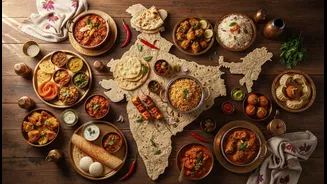
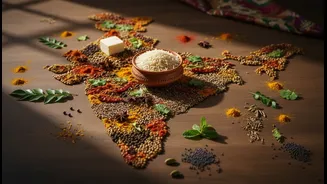
Ultimately, the entry of regional identity into the food feed is a profoundly positive development. It challenges the monolithic idea of "Indian food" and replaces it with a vibrant, diverse, and more accurate culinary map. For diners, it offers an exciting journey of discovery, introducing new flavours, ingredients, and techniques. For communities, it’s a moment of validation and a chance to see their heritage celebrated on a global stage. Social media has democratized food critique and empowered users to share their culinary experiences with unprecedented reach. This trend shows that our digital appetites are changing—we’re no longer just looking for food that looks good, but for food that feels real.