



The Daily Dinner Dilemma
It’s a familiar story for busy households across India. You want to provide delicious, nutritious meals for your family, but time is the one ingredient you never have enough of. The hours required for chopping, grinding masalas, and slow-cooking gravies
can feel like a luxury. This often leads to a compromise: either ordering in, which can be expensive and unhealthy, or turning to ready-to-eat packaged meals that are often high in sodium, sugar, and preservatives. This leaves many feeling stuck between their intentions to eat well and the practical demands of a hectic schedule. It feels like you have to choose between health and convenience, but what if you didn't have to?
A Smarter Shortcut: The Rise of Meal Starters
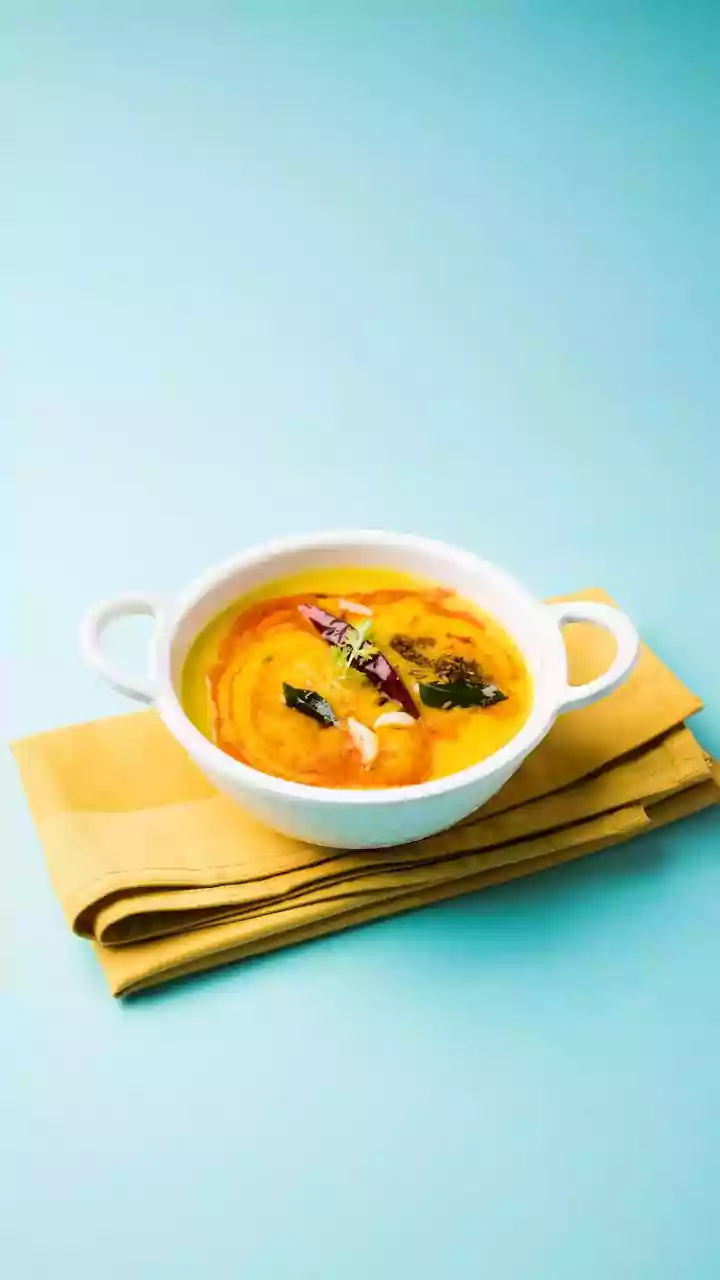
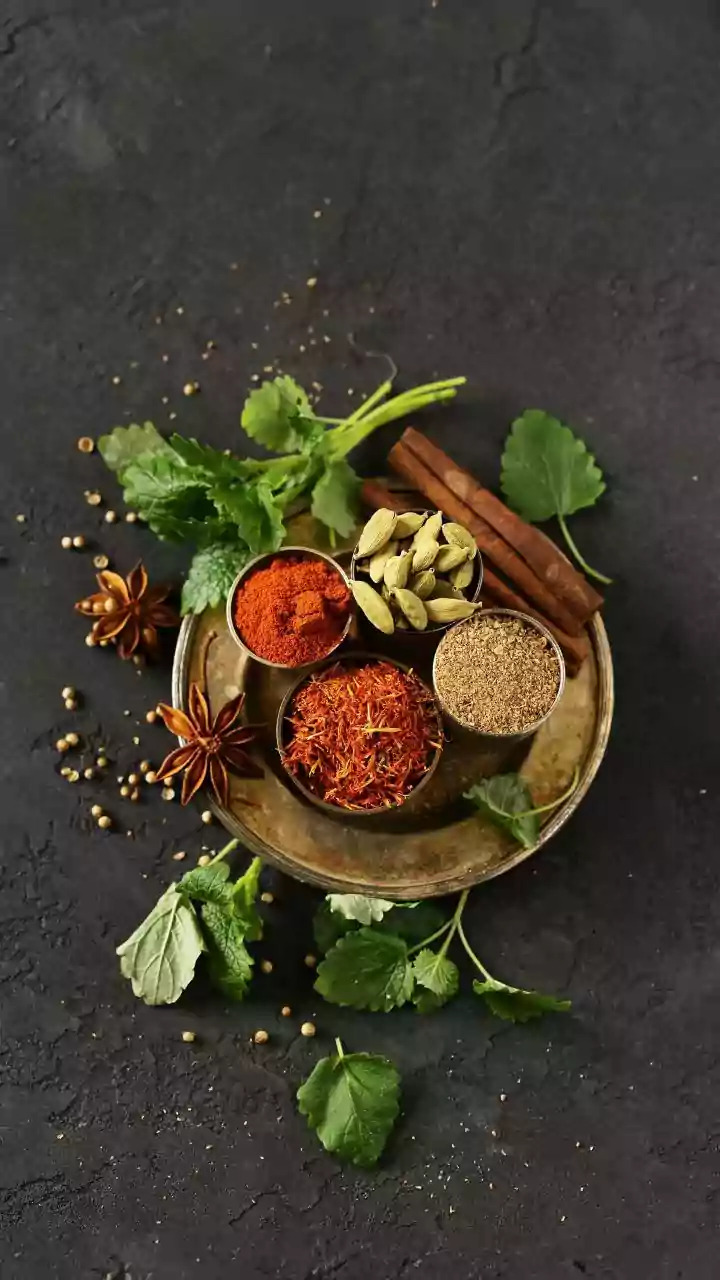
Enter the new hero of the modern kitchen: the 'meal starter' or 'flavor base'. This isn't another instant noodle packet or a frozen dinner. Instead, think of it as the most time-consuming part of your cooking, done for you. These products are high-quality, pre-made bases like simmer sauces, authentic curry pastes, or even pre-cooked tadka. They handle the foundational flavour-building—the slow sautéing of aromatics, the grinding of spices, and the simmering of tomatoes and onions—that gives a dish its depth. All you have to do is add your fresh protein (like paneer, chicken, or lentils) and vegetables to the base, simmer, and serve. It’s a way to get a semi-homemade meal on the table in minutes, not hours.
How to Choose the Best Quality
Not all shortcuts are created equal. The goal is to save time without sacrificing health, so it’s important to become a savvy label-reader. When choosing a simmer sauce or curry paste, look for a short list of ingredients that you can recognize—things like tomatoes, onions, ginger, garlic, and real spices. Try to avoid products with excessive sodium, added sugars, or a long list of artificial preservatives and thickeners. Some brands now focus on using all-natural ingredients, which are often a much healthier choice than their mass-market counterparts. A good rule of thumb is if the ingredient list reads like a recipe you might make yourself, you're on the right track.
Making the Meal Your Own
The beauty of using a meal starter is that it still allows for creativity and customisation. This isn't just 'heat and eat'; it's 'heat and complete'. You control the final dish. You can add a handful of spinach for extra nutrients, toss in leftover roasted vegetables from the night before, or stir in some coconut milk to make a curry creamier. Use a classic tikka masala sauce with paneer one night and with chickpeas the next. These bases are a canvas, not a finished painting. By adding your own fresh ingredients, you elevate the dish, making it more nutritious and tailored to your family's tastes. It bridges the gap perfectly, giving you the convenience of a shortcut with the satisfaction of real cooking.
More Than Just Saved Time
The benefits of embracing these smart shortcuts go beyond just getting dinner on the table faster. They can significantly reduce kitchen stress and decision fatigue after a long day. By having a few quality bases on hand, you always have a plan B that is healthier and more affordable than ordering out. This approach also encourages you to use up fresh vegetables you have in the fridge, reducing food waste. Ultimately, it empowers you to cook more often, turning what can feel like a chore into a more manageable and enjoyable activity. It helps reclaim the dinner hour, allowing for more time to connect with family over a delicious, wholesome meal you had a hand in creating.