



The Rising Tide of Risk
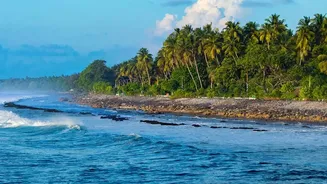
The Bay of Bengal has long been a hotspot for tropical cyclones, but climate change is amplifying the threat. Scientists project an increase in the intensity and frequency of these storms, which, combined with sea-level rise, leads to more destructive
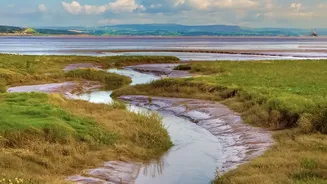
tidal surges. These surges can inundate vast stretches of low-lying coastal land, causing widespread damage to homes, infrastructure, and agriculture, and endangering millions of lives. Events like Super Cyclone Amphan in 2020 served as a devastating reminder of this vulnerability, displacing millions and causing immense economic loss. With studies indicating that the number of people exposed to severe cyclone-induced flooding could triple by the end of the century, the need for effective coastal defense has never been more urgent.
Nature’s Frontline Defence
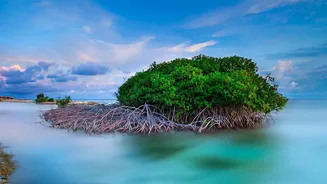
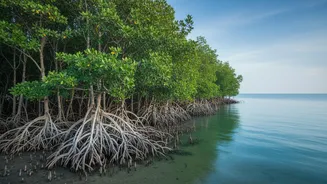
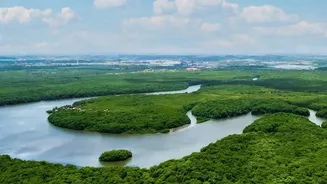
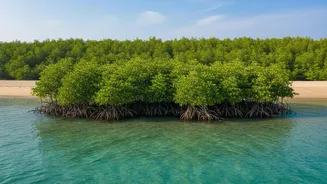
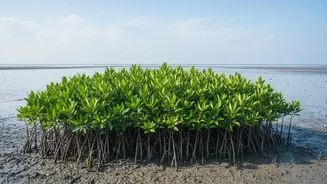
Enter the mangrove, a unique group of trees and shrubs that thrive in the saline, intertidal zones where land meets sea. These remarkable plants are nature's own coastal engineers, forming a living wall known as a 'bio-shield'. Their dense, tangled root systems are incredibly effective at dissipating wave energy, with some studies showing they can reduce wave height by over 30 percent. By trapping sediment and stabilising the shoreline, they act as a natural barrier against storm surges and coastal erosion. The value of these bio-shields has been proven time and again; during the 1999 Odisha super cyclone and the 2004 Indian Ocean tsunami, coastal villages shielded by healthy mangrove forests suffered significantly less damage than those left exposed.
From the Ground Up: Community Action
Across India's eastern coast, from the Sundarbans in West Bengal to the coastal districts of Odisha and Tamil Nadu, local communities are taking the lead in restoring these vital ecosystems. Often spearheaded by women's self-help groups and local youth, these initiatives involve everything from setting up nurseries and collecting seeds to planting saplings and protecting the young forests. In Odisha, community-led projects in places like Balasore and the Devi river mouth have restored hundreds of acres of degraded land, with impressive sapling survival rates of over 80 percent. These efforts are not just about planting trees; they combine scientific planning with local knowledge, carefully selecting mangrove species suited to the specific salinity and soil conditions of each site. This sense of local ownership is seen as crucial for the long-term success and sustainability of the restored forests.
More Than Just a Barrier
The benefits of mangrove restoration extend far beyond coastal protection. These ecosystems are critical breeding grounds and nurseries for a vast array of fish, crabs, and other marine life, directly supporting and reviving local fisheries. This, in turn, provides sustainable livelihood opportunities for coastal communities. Many projects now integrate income-generating activities, such as crab farming, beekeeping for mangrove honey, and eco-tourism, creating a powerful economic incentive for conservation. Furthermore, mangroves are champions of carbon sequestration, capturing and storing large amounts of atmospheric carbon dioxide, making them a crucial tool in the broader fight against climate change.
The Path to a Greener Coastline
While the success of these community initiatives is inspiring, challenges remain. Restoring a complex ecosystem requires more than just planting saplings; it demands long-term monitoring, protection from grazing, and ensuring proper tidal water flow to the plantation sites. Recognizing the importance of these efforts, both state governments and national programmes like the MISHTI (Mangrove Initiative for Shoreline Habitats & Tangible Incomes) scheme are providing crucial support. These programmes aim to scale up mangrove restoration across all coastal states, integrating conservation with livelihood generation. The goal is to move beyond isolated projects and foster a nationwide movement built on the foundation of community stewardship.