




The Global Protein Blueprint
For years, the term 'protein snack' in urban India painted a very specific picture: a dense, chewy bar, likely chocolate or vanilla flavoured, imported in concept if not in origin. Dominated by whey and other animal-based proteins, this first wave of
products was aimed squarely at a niche audience of gym-goers and serious athletes in metropolitan hubs. Brands built their identity around muscle repair and post-workout recovery, speaking a language of grams, macros, and performance. While effective, these products often felt functional rather than enjoyable, a nutritional task to be completed. They catered to a body in training but sometimes left the Indian palate wanting more. This was the established blueprint for convenient protein, a model borrowed directly from Western markets that saw health as a specialized, almost clinical pursuit.
The Desi Protein Revolution
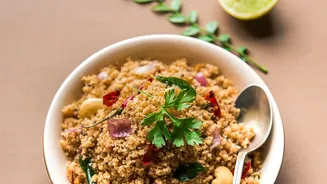
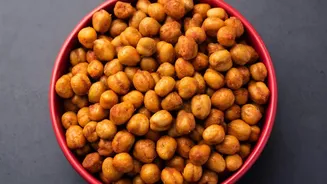
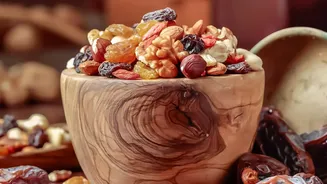
Now, a quiet revolution is unfolding in pantries and on supermarket shelves. The new stars of the protein world are not lab-formulated isolates, but ingredients deeply rooted in Indian culinary heritage. We’re talking about sattu, the humble roasted gram flour from Bihar and Uttar Pradesh, now being hailed as a superfood. It's being transformed from a traditional sharbat into convenient energy balls and protein laddus. Millets like ragi and bajra, long celebrated for their resilience and nutrition, are being baked into cookies and extruded into chips. Roasted chana, moong dal, and makhana (fox nuts) are shedding their simple, unbranded image and appearing in modern, ready-to-eat packaging. These are not just snacks; they represent a reclamation of nutritional wisdom that has existed in Indian kitchens for generations, now repackaged for the demands of a modern lifestyle.
Why Local, And Why Now?
This shift isn't happening by accident. It’s fuelled by a powerful convergence of consumer demands. Firstly, health consciousness has gone mainstream. A recent nationwide survey found that a staggering 86% of Indians now consider protein an important factor when choosing a snack. Secondly, there is a growing demand for 'clean labels'. Consumers are becoming more discerning, with 62% stating that ingredient transparency is the most important factor for them, far outweighing celebrity endorsements. This has led to a rejection of artificial sweeteners and unpronounceable ingredients, with 61% of consumers preferring snacks sweetened naturally with jaggery or dates. The local protein trend perfectly meets this demand, offering trusted, familiar ingredients. It’s a move away from food as a science experiment and a return to food as nourishment.
From Kitchen Wisdom to Commercial Success
The real genius of this trend lies in bridging the gap between tradition and convenience. While sattu or a millet porridge are profoundly healthy, they traditionally require preparation. Today, a new wave of food startups is doing the work for the consumer. They are taking grandmother’s recipes for 'panjiri' or 'laddus' and making them shelf-stable, portion-controlled, and accessible through quick commerce apps. These brands understand that the modern Indian consumer wants the best of both worlds: the nutritional integrity of homemade food and the grab-and-go ease of a packaged snack. By successfully marrying authentic taste with modern convenience, these companies are not just launching products; they are creating a new category that resonates with a deep cultural pride and a contemporary wellness mindset.