



Why Pruning Creates a Bushier Plant
To understand why pruning works, we need to look at a plant's natural growth habit. Most plants exhibit something called 'apical dominance', where the main, central stem at the top (the apex) grows most vigorously. This happens because the apical bud
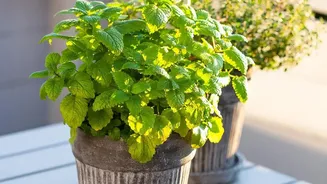
produces a hormone called auxin, which flows down the stem and suppresses the growth of the smaller, lateral buds on the sides. The plant's energy is focused on growing taller to compete for sunlight. When you snip off that top bud, you remove the source of the growth-suppressing hormone. This signals the plant to redirect its energy into the side shoots and lateral buds, which then spring to life, creating multiple new stems instead of just one. The result is a much denser, leafier, and more productive mint plant.
The Simple 'How-To' of Mint Pruning
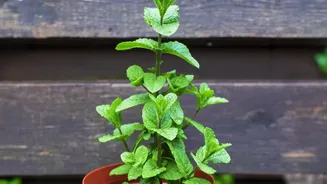
You don't need to be a master gardener for this. All you need are your fingertips or a clean, sharp pair of scissors. The key is to cut or pinch the stem just above a leaf node—that's the point on the stem where a pair of leaves grows. Look down from the top of a main stem and find the first or second set of healthy leaves. Make your cut about half a centimetre above that pair. By cutting here, you'll often see two tiny new shoots already starting to form in the crooks where the leaves meet the stem. Removing the stem above them will encourage these shoots to develop into two new main stems. A good rule of thumb is to never remove more than one-third of the plant's total growth at once to avoid causing stress.
When and How Often to Prune
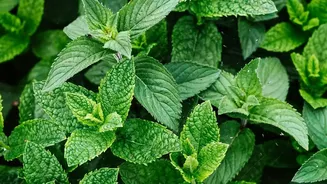
Mint is a vigorous grower, so don't be shy about pruning. Regular harvesting is essentially a form of pruning that keeps the plant healthy. You can start pinching the tips as soon as the plant is established and has several sets of leaves. A good routine is to trim your plant every few weeks during the growing season. For very vigorous varieties, you might need to prune more often to keep them in check and prevent them from becoming leggy. It's also crucial to pinch off any flower buds you see forming. When mint flowers, its energy shifts from producing flavorful leaves to making seeds, which can cause the leaves to become less potent and aromatic.
Key Conditions for Healthy Growth
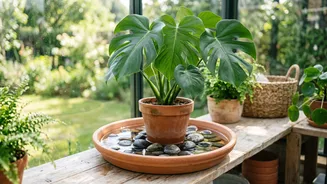
Pruning works best on an already healthy plant. To support that lush, bushy growth, ensure your indoor mint has the right conditions. It thrives with at least four to six hours of bright, direct sunlight daily, so a south-facing windowsill is often ideal. Mint also prefers consistently moist but well-draining soil; don't let it dry out completely, but also ensure the pot has drainage holes to prevent root rot. A wide pot is often better than a deep one, as mint spreads through runners just beneath the surface. If you notice your plant's growth is pale and stretched, it's a sign it needs more light.
What to Do with Your Fresh Cuttings
The best part of pruning is the harvest. Instead of discarding the cuttings, put them to good use. The simplest option is to brew a refreshing cup of mint tea by steeping the leaves in hot water. The leaves are also a fantastic addition to salads, yogurt-based sauces, and drinks like lemonade or mojitos. You can freeze mint leaves in ice cube trays with water for later use in drinks. Another great option is propagation. Place a few healthy stems in a glass of water, ensuring no leaves are submerged. Within a week or two, you should see roots begin to sprout from the nodes, giving you brand new mint plants to pot up or share with friends.