







The Science of Staying Dry
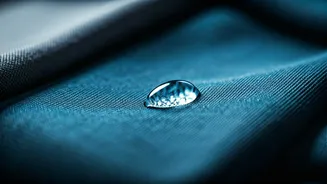
What makes a fabric 'quick-dry' isn't magic, but science. Unlike natural fibres like cotton that absorb and hold moisture like a sponge, quick-dry fabrics are typically made from synthetic fibres like polyester and nylon that are hydrophobic, meaning
they naturally repel water. The technology relies on a process called 'wicking', which uses capillary action to pull moisture away from your skin. Think of tiny channels within the fabric that act as a highway for sweat or rain, moving it to the outer surface of the garment. Once there, the moisture spreads out over a larger area, allowing it to evaporate much faster, often within minutes instead of hours. This process not only keeps you from feeling damp and clammy but also helps regulate your body temperature, a huge advantage in India’s varied climate.
Your Advantage in Indian Weather
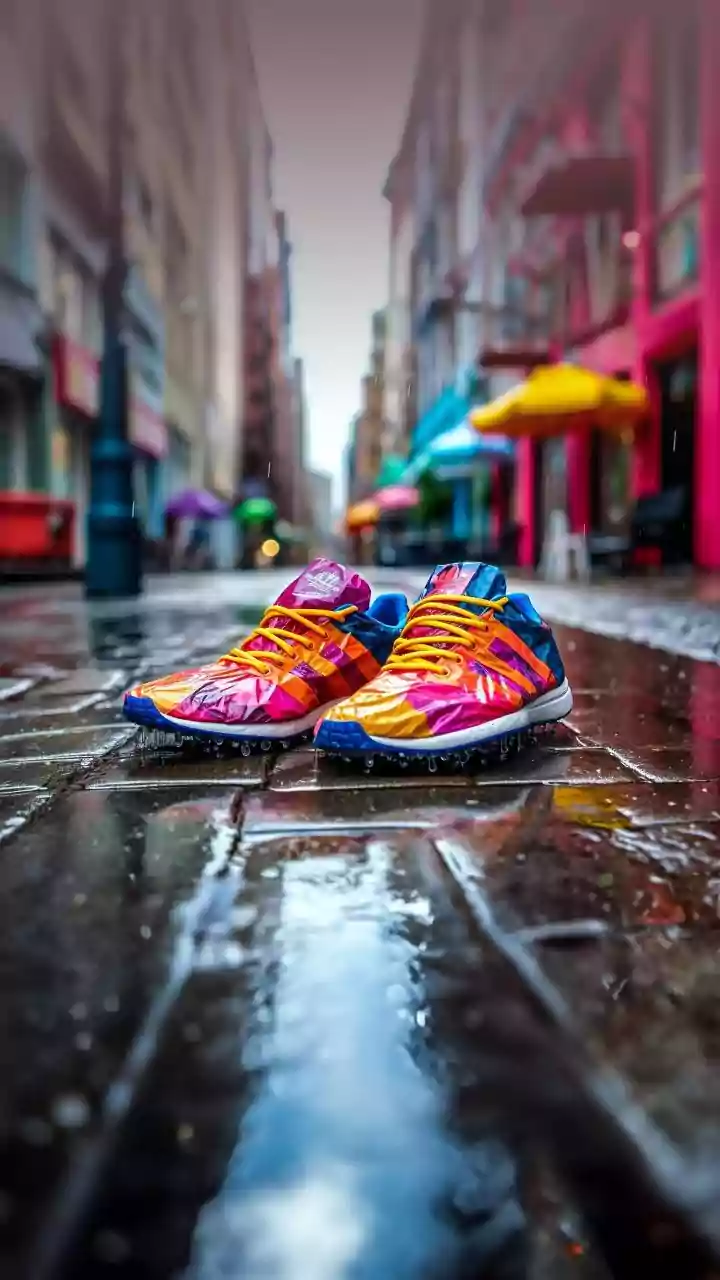
In a country defined by sweltering summers and dramatic monsoons, quick-dry clothing is more than a convenience—it's a non-negotiable part of a smart wardrobe. During peak summer, the breathability and moisture-wicking properties help manage sweat, reducing skin irritation and heat rashes. When the monsoon arrives, these fabrics are a game-changer. Getting caught in a downpour is a common reality, and materials that dry in 30 to 60 minutes, even in high humidity, mean you can avoid spending the day in damp, heavy clothes. This is especially crucial for travellers and daily commuters who can't afford to let the weather derail their plans. Furthermore, because these fabrics dry so quickly, they are less likely to develop the musty odours that plague damp clothes in humid weather.
A Guide to Common Quick-Dry Materials
When shopping, you'll encounter several types of quick-dry fabrics, each with its own strengths:* **Polyester:** This is the workhorse of the activewear world. It's durable, wrinkle-resistant, and one of the fastest-drying materials available, often drying completely in under two hours. Modern polyester blends are soft and a far cry from the stiff versions of the past.* **Nylon:** Known for being lightweight, strong, and stretchy, nylon is another popular choice. It's also resistant to mildew, a significant plus during the damp monsoon season.* **Merino Wool:** Don't let the word 'wool' fool you. Lightweight merino is a natural fibre that's excellent at wicking moisture and regulating temperature. It's also naturally odour-resistant, though it can be less durable than its synthetic counterparts.* **Rayon and Modal:** These are semi-synthetic fabrics made from wood pulp. They are exceptionally soft and breathable, offering the comfort of natural fibres with a much faster drying time than cotton, making them a stylish choice for everyday kurtas, tops, and trousers.* **Blends:** Many of the best garments feature a blend of these materials, combining the durability of polyester or nylon with the stretch of spandex or the softness of rayon. These blends offer a perfect balance of performance and comfort.
Beyond the Gym: Everyday Style
The biggest shift in recent years is that quick-dry technology has moved far beyond just sportswear. Brands now incorporate these functional fabrics into a wide range of everyday and even office-appropriate clothing. You can find stylish A-line kurtas in rayon, elegant tunic tops in georgette, and comfortable trousers in poly-crepe blends that are all designed to handle humidity and dry quickly. This means you don't have to sacrifice style for comfort. Whether you're commuting to work, running errands on a humid day, or packing for a weekend trip, you can find quick-dry options that look just as good as they perform. For travellers, the ability to wash a shirt in a hotel sink and have it dry overnight is a revolutionary convenience.
Making a Conscious Choice
While synthetic fabrics like polyester and nylon are performance champions, their environmental impact is a valid concern. They are derived from fossil fuels and can shed microplastics during washing, which pollute waterways. However, the conversation is evolving. For those seeking more sustainable options, look for fabrics made from recycled polyester or natural alternatives like merino wool, bamboo, and Tencel (lyocell). These materials offer excellent moisture-wicking and quick-drying properties with a better environmental profile. Ultimately, investing in high-quality, durable pieces that you will wear for years is one of the most sustainable choices you can make.
Care and Maintenance
To ensure your quick-dry clothes last and maintain their wicking properties, a little care goes a long way. Always check the garment's care label first. Generally, it's best to wash them in cold water on a gentle cycle. Crucially, avoid using fabric softeners, as they can leave a coating that clogs the fabric's pores and hinders its ability to wick moisture. While tempting, try to avoid the high heat of a tumble dryer, which can damage or even shrink the synthetic fibres. The best method is simply to hang them to air dry; true to their name, they'll be ready to wear in no time.