




The Heartbeat of Tea Country
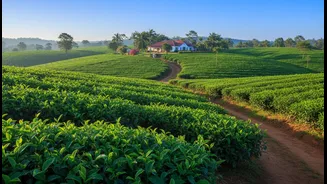
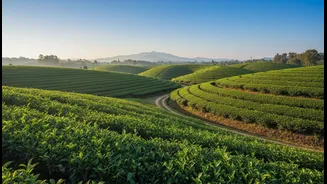
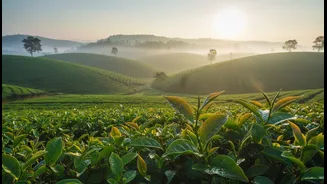
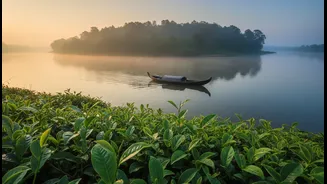
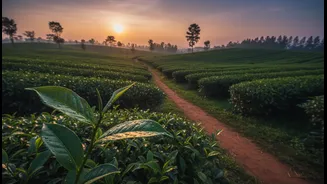
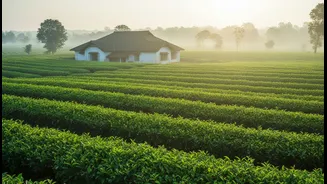
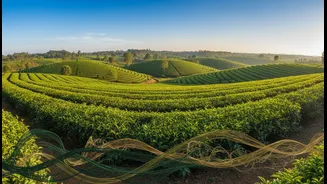
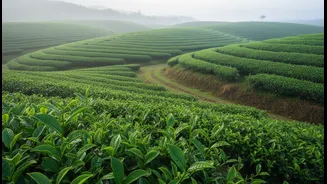
Jorhat is often called the 'Tea Capital of India', and for good reason. The city is the heart of Assam's sprawling tea belt, which produces more than half of the nation's tea. But this title is more than just a nod to production numbers; it's about a way
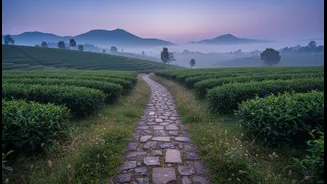
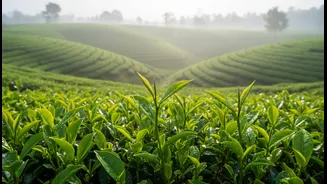
of life. The daily rhythm here is set by the cycles of the tea estates that blanket the landscape in a stunning mosaic of green. For travellers, this offers a chance to do more than just taste the region's famous malty brew. A visit to a historic garden like Cinnamora, one of the first in Assam, is an immersion into a century-old routine. You can witness the deft hands of pluckers moving through the neat rows of bushes at dawn and learn about the intricate process that turns a simple leaf into a world-renowned beverage. This experience is anchored by the Tocklai Tea Research Institute, the world's oldest and one of its largest tea research stations, which has been the scientific backbone of the industry since 1911.
Echoes of a Bygone Kingdom
Beyond the tea gardens, Jorhat's past as the last capital of the Ahom dynasty lends it a quiet dignity. This history isn't confined to museums; it lives in the city's landmarks. You can find it at Raja Maidam, a park where the ashes of the last Ahom king, Purandar Singha, are preserved. It’s also present at Thengal Manor, a magnificent colonial-era mansion built in the 1920s that is now a heritage hotel. This building is not just an architectural relic; it's where the first Assamese daily newspaper, 'Dainik Batori', was launched in 1935, making it a cornerstone of the state's literary and cultural history. Staying here or simply visiting offers a tangible connection to the lives of Assam's pioneering tea planters and intellectuals. These sites aren't loud tourist attractions but quiet spaces that allow you to feel the city's historical layers.
The Riverine Soul: Gateway to Majuli
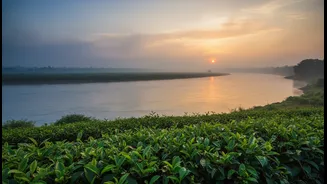
No exploration of Jorhat’s rhythm is complete without a journey to Majuli. A ferry ride from Nimati Ghat, a bustling port on the edge of the city, transports you to the world's largest river island. This journey across the vast expanse of the Brahmaputra is a transition to a different pace of life. Majuli is the cradle of Assamese Neo-Vaishnavite culture, a spiritual and artistic tradition kept alive in its unique monasteries, or 'Satras'. These are not just historical monuments but living institutions where monks practice centuries-old traditions of mask-making, classical music, and dance as part of their daily discipline. Visiting a Satra, watching a performance, or simply cycling through the island's tranquil Mishing tribal villages offers a profound glimpse into a culture deeply connected to the river and its spiritual heritage.
The Quiet Call of the Wild
Jorhat’s rhythm is also in tune with the natural world. A short drive from the city leads to the Hoollongapar Gibbon Sanctuary, an island of dense evergreen forest. This protected area is home to India's only ape, the Hoolock Gibbon. Exploring the sanctuary means walking its quiet trails at dawn, guided by the haunting songs of the gibbons echoing through the canopy. It's a slow, mindful experience, far from a commercial safari. Here, you might also spot other primates like the capped langur and pig-tailed macaque, or simply absorb the stillness of the forest. It's an intimate encounter with Assam’s rich biodiversity, offering a moment of quiet connection with nature on its own terms.
Markets, Crafts, and Everyday Moments
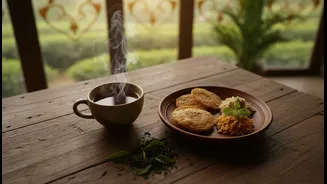
Ultimately, the true rhythm of Jorhat is found in its everyday moments. It’s in the bustling energy of its local markets, like Chowk Bazaar and Gar-Ali, where you can find traditional Assamese crafts, from handloom silks like 'muga' and 'pat' to intricate bamboo products and jewellery. It's in the simple pleasure of savouring a local Assamese thali, a flavorful spread of rice, lentils, fish, and regional vegetables. This is where the cultural fabric of the city is most vibrant. By moving slowly, observing the daily exchanges, and engaging with local artisans, travellers discover that the most memorable part of visiting Jorhat isn't a single sight, but the cumulative feeling of a place that is authentic, welcoming, and deeply rooted in its heritage.