



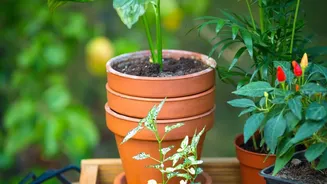
The First Step: Move Your Pots
The simplest and most effective defence against any extreme weather is relocation. Potted plants are vulnerable because their roots are exposed on all sides, unlike plants in the ground which are insulated by the earth. If you know a cold snap, heatwave,
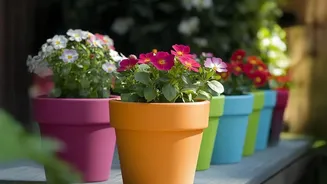
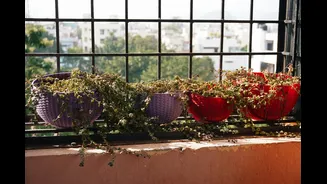
or heavy storm is coming, the best first step is to bring your plants indoors. A garage, shed, or a covered porch offers excellent protection. For plants that must remain outside, moving them to a more sheltered spot, such as against a south-facing wall, can provide significant protection from cold winds and frost by trapping radiant heat. Grouping pots closely together also creates a warmer, more humid microclimate that buffers them against rapid temperature shifts.
When Temperatures Suddenly Drop
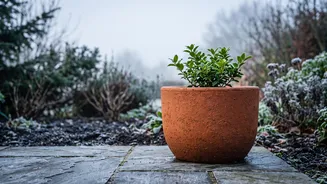
A surprise frost can be fatal to tender plants. When moving them isn't an option, insulation is key. Wrap pots in materials like bubble wrap, burlap, or old blankets to protect the roots from freezing. Several layers are more effective, trapping air that acts as an insulator. You can cover the plant itself with a frost cloth, an old sheet, or even a cardboard box overnight, but be sure to create a frame or use stakes to prevent the material from touching the foliage, which can cause damage. It's also wise to water your plants thoroughly before a predicted freeze, as moist soil retains heat better than dry soil. Finally, adding a thick layer of mulch, like straw or shredded leaves, on top of the soil insulates the roots from the cold air above.
Surviving an Unexpected Heatwave
Intense heat and direct sun can quickly scorch leaves and dry out soil. If you can't move plants into a fully shaded area, creating temporary shade is crucial. You can use a shade cloth, an old sheet, or even a large umbrella to shield plants during the hottest part of the day. Water deeply in the early morning or late evening to minimise evaporation and ensure the moisture reaches the roots. During a heatwave, check the soil moisture daily, as containers can dry out very quickly. Grouping plants together can also help create a more humid microclimate, reducing water loss from the leaves. Applying a layer of mulch like bark or coconut coir on the soil surface will help retain moisture and keep the roots cooler.
Guarding Against High Winds
Strong winds can topple tall pots, snap stems, and shred delicate leaves. The first line of defence is to move plants to a location shielded from the worst of the gusts, such as alongside a wall or behind a hedge. If pots are too large to move, consider securing them with weights or grouping them tightly together for stability. Taller plants or those with a top-heavy structure may need to be staked for additional support to prevent breakage. For very severe storms, you can wrap smaller shrubs and plants in burlap to protect their branches and foliage from wind damage. It’s also a good idea to prune any weak or leggy branches before a storm, as they are the most likely to snap.
Managing a Sudden Downpour
While rain is usually welcome, a torrential downpour can waterlog soil, leading to root rot. The most straightforward solution is to move pots under a roof or overhang. If that's not possible, ensuring your pots have excellent drainage is vital. Check that drainage holes are not blocked and consider elevating pots on 'pot feet' or bricks to allow excess water to escape freely. For vulnerable seedlings or small plants, you can cover them with overturned buckets or bowls, weighed down with a rock, to shield them from the intense rain and potential hail. If your area is prone to heavy rains, it’s a good practice to avoid overwatering and to pause your regular watering schedule when a storm is in the forecast.