








The Rise of the Fur Baby
It all starts with a fundamental shift in the American family. For a growing number of people, particularly Millennials and Gen Z, pets aren’t just animals; they're family. The term “pet parent” has replaced “pet owner,” and this isn’t just semantics—it’s
a reflection of a deep emotional and financial investment. According to the American Pet Products Association (APPA), an overwhelming majority of pet owners consider their pets to be full-fledged family members. This cultural shift has dismantled the old travel paradigm. The guilt of leaving a beloved dog or cat in a kennel is being replaced by the expectation that they should be able to come along. This isn't a niche market anymore; it's a mainstream demand from one of the most powerful consumer demographics.
Beyond a 'Pets Allowed' Sign
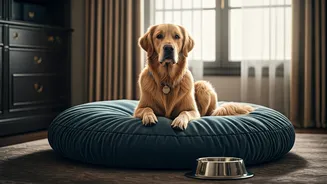
In response, the hospitality industry is rolling out much more than a welcome mat. The new standard for “pet-inclusive” goes far beyond simply allowing an animal in the room. We're talking about a new level of luxury and service designed specifically for four-legged guests. Pioneering brands like Kimpton Hotels have long offered VIP (Very Important Pet) treatment with no extra fees, providing beds, bowls, and treats upon arrival. Now, others are catching on and upping the ante. High-end resorts feature dedicated dog parks, pet-friendly swimming pools, and even “paw-some” room service menus with options like grilled salmon or steak. Some offer pet-sitting services, dog-walking concierges, and even “yappy hour” events where guests and their pets can socialize. This isn’t just about accommodation; it's about creating an entire experience that makes both human and animal feel valued and pampered.
The Economics of Affection
For hotels, embracing the pawprint economy is a savvy business move. While some brands waive fees, many have found a lucrative new revenue stream in pet charges, which can range from a flat $50 fee to over $150 per stay. But the real money isn't just in the fees; it's in attracting a demographic that is willing to spend more and stay longer. Data shows pet owners are often more loyal to brands that welcome their companions. They see a pet-friendly policy not as an amenity, but as a sign of a hotel's values. Furthermore, these travelers often book directly to confirm pet policies, which saves hotels from paying commissions to online travel agencies. By catering to this market, resorts tap into a segment of the population that might otherwise opt for a short-term rental on Airbnb or Vrbo, or simply not travel at all. It's a classic case of identifying an underserved need and turning it into a competitive advantage.
A Ripple Effect Through Main Street
The economic impact doesn't stop at the hotel lobby. The rise of pet-inclusive travel creates a halo effect for the entire local economy. When pet owners travel, they look for other pet-friendly experiences. This means more business for restaurants with outdoor patios, local boutiques that allow dogs inside, and tour operators offering pet-friendly excursions. A beach town with dog-friendly beaches and cafes suddenly becomes more attractive than one without. This ripple effect creates a symbiotic relationship: as more businesses in a destination become pet-friendly, the destination itself becomes more appealing to this growing group of travelers, who in turn bring more spending power to the community. It's a powerful incentive for entire towns to rethink their approach to tourism, recognizing that a water bowl outside a shop can be just as important as a welcome sign.