






Reimagining the Fasting Plate
Sawan fasting, a tradition dedicated to Lord Shiva, involves a sattvik diet—pure, simple foods that calm the mind. This typically means avoiding meat, eggs, regular grains like wheat and rice, lentils, onions, and garlic. While traditional vrat staples
like sabudana and potatoes provide energy, they are often heavy on carbohydrates and fats. A modern approach to Sawan food focuses on creating a balanced plate that incorporates essential nutrients, especially protein, without overcomplicating meals. The goal is to feel light, energetic, and satisfied, allowing you to focus on the spiritual aspects of the month while keeping your body well-nourished. This shift doesn't break tradition but enhances it, ensuring that your fast is both spiritually and physically rewarding.
Power Up with Vrat-Friendly Protein
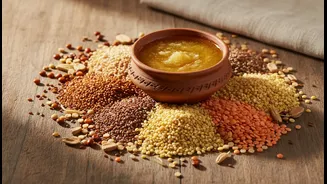
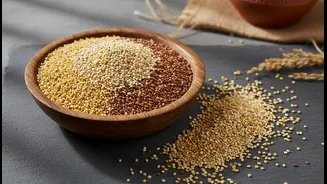
Protein is crucial for maintaining energy levels, supporting muscle health, and preventing fatigue, especially during a fast. Contrary to the belief that fasting food is protein-deficient, there are numerous vrat-friendly options. Paneer is a powerhouse of high-quality protein and can be marinated with fasting spices and grilled or added to light curries. Dairy products like curd and milk are excellent sources of both protein and calcium. Fasting-friendly flours such as rajgira (amaranth) and kuttu (buckwheat) are not only permitted but are also rich in protein and fibre. Nuts and seeds like almonds, walnuts, and makhana (fox nuts) make for a perfect, protein-packed snack to curb hunger between meals. Incorporating these into your diet ensures you remain satiated and strong throughout your fast.
The Art of Simplicity in a Sawan Kitchen
Simple cooking is at the heart of a sattvik diet. During Sawan, this means focusing on dishes that are easy to prepare and digest. Instead of elaborate, deep-fried meals, opt for lighter cooking methods like roasting, grilling, or making simple stir-fries and one-pot meals. A classic example is Sabudana Khichdi, which combines soaked tapioca pearls with roasted peanuts and potatoes for a quick and filling dish. Samak rice (barnyard millet) can be used to make a simple pulao with vegetables and peanuts, offering a light alternative to regular rice. A bowl of fresh fruit chaat or a smoothie made with banana and almond milk also serves as a quick, no-cook meal that provides instant energy and hydration. The key is to use minimal, fresh ingredients to create meals that are comforting and easy on the stomach.
Unlocking Great Taste, Naturally
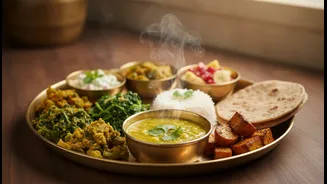
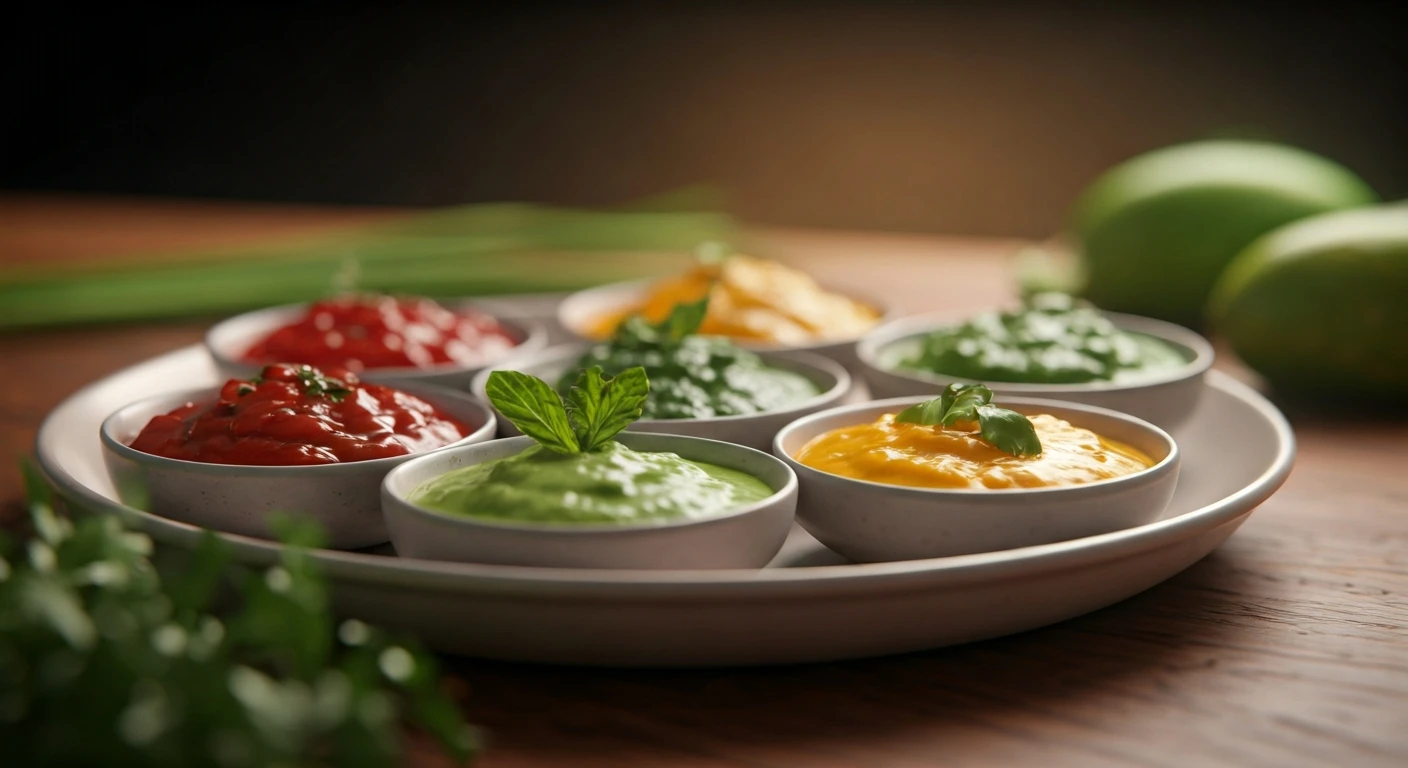
The absence of onion, garlic, and regular salt doesn't have to mean bland food. Sawan cooking offers a unique opportunity to explore other flavour profiles. Sendha namak (rock salt) is the primary seasoning used during fasts. Spices like cumin seeds, black pepper, green cardamom, and cinnamon are permitted and can elevate any dish. Fresh ingredients like ginger, green chillies, coriander, and a squeeze of lemon juice add a vibrant kick. A simple potato curry (vrat wale aloo) cooked with tomatoes, ginger, and green chillies tastes delicious with Kuttu ki Puri (buckwheat flatbread). Making a simple chutney with mint, coriander, and rock salt can instantly liven up any meal. By creatively using these approved ingredients, you can ensure your Sawan meals are anything but boring.