




More Than Just a Pot
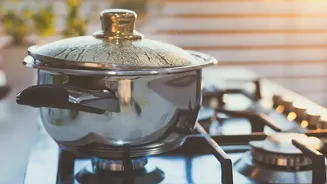
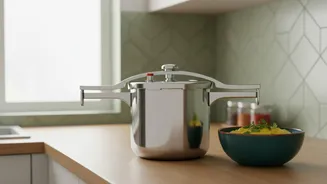
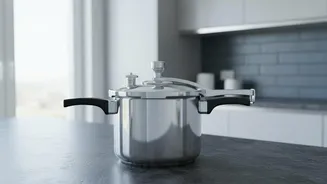
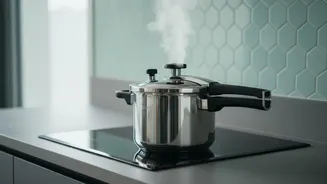
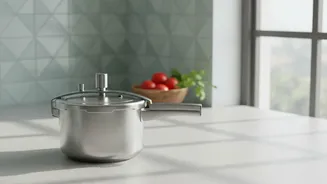
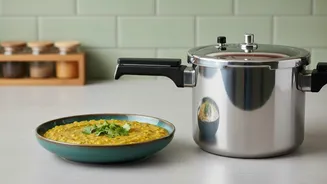
A pressure cooker works by trapping steam inside a sealed pot. This raises the internal pressure and the boiling point of the liquid within, allowing food to cook much faster and tenderise tough cuts of meat effectively. However, this buildup of intense
pressure is precisely why respecting the appliance is non-negotiable. Modern cookers have multiple safety features, including locking lids and secondary pressure release valves, but user error remains a primary cause of accidents. Understanding that you are handling a vessel under high pressure is the first step toward using it safely.
The Pre-Cooking Checklist
Before you add a single ingredient, a quick inspection is crucial. First, check the rubber or silicone gasket—the ring that seals the lid. It should be clean, pliable, and free of cracks or brittleness. A faulty gasket can prevent a proper seal, or worse, fail under pressure. Next, inspect the pressure release valve and vent pipe to ensure they are not clogged with food debris. A tiny bit of leftover dal or rice can block the steam's escape route, leading to a dangerous pressure build-up. Finally, never overfill the cooker. A good rule is to never fill it more than two-thirds full, and only half-full for foods that expand or froth, like rice, pasta, or legumes.
During the Cooking Cycle
Once the cooker is on the heat, your role is to monitor it. Always ensure there is enough liquid—at least a cup—to generate the necessary steam. Heating an empty or dry cooker can cause serious damage. Listen for the whistle, which indicates that the cooker has reached its operating pressure. However, if you notice steam leaking from the sides of the lid or if the safety valve begins to hiss continuously, it's a sign of a problem. In such cases, turn off the heat immediately and let the cooker cool down completely before investigating the issue.
The All-Important Cool-Down
The most dangerous time for a pressure cooker user is immediately after the cooking is done. Never attempt to force the lid open while the cooker is still pressurised. Doing so can cause the lid to fly off and spray scalding hot food and steam. There are three safe ways to release pressure. The 'natural release' involves simply removing the cooker from the heat and letting it cool down on its own, which can take 10-20 minutes. This is best for meats and legumes. The 'quick release' involves using the steam release valve to vent the steam rapidly, which is suitable for vegetables you don't want to overcook. Some stovetop models also allow for a cold-water release, where you run cold water over the lid in the sink. Always follow the method your recipe recommends.
Maintenance for a Long, Safe Life
Proper care ensures your pressure cooker remains a safe kitchen tool. After every use, once it has cooled, disassemble the lid. Wash the pot, the lid, the gasket, and the pressure valve separately with warm, soapy water. Use a small brush or a pin to clear any debris from the vent pipe. Store the cooker with the lid placed upside down on the pot, rather than locked, to prevent the gasket from deforming and to allow air to circulate. It is generally recommended to replace the gasket every one to two years, or as soon as you notice any signs of wear and tear.