





More Than Just a Boat Ride
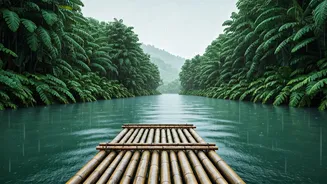
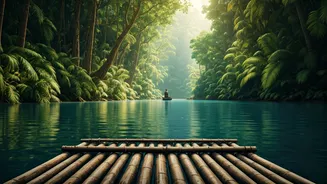
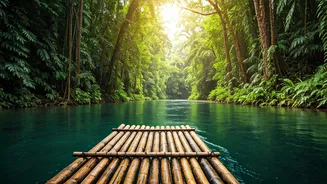
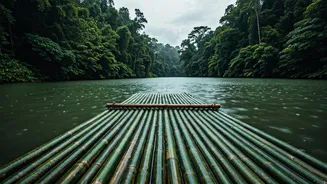
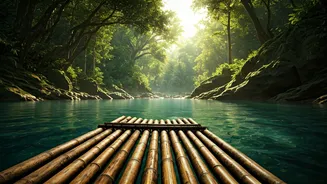
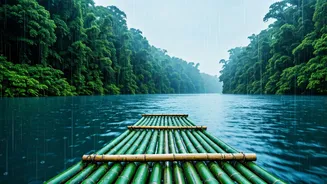
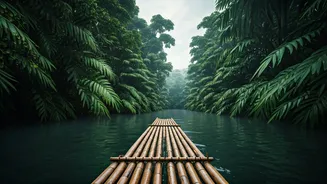
Forget the high-octane thrill of white-water rafting. Bamboo rafting is its meditative cousin. It’s a slow, immersive experience designed for observation and serenity. Constructed from sturdy bamboo stalks lashed together with coir rope, these simple
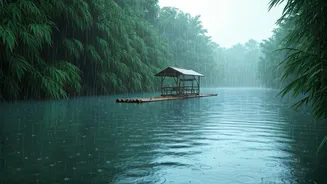
vessels glide silently across calm rivers and reservoirs. The journey isn't about speed; it's about connecting with the rhythm of the water and the vibrant ecosystem that thrives during the monsoon. Punctuated only by the sounds of birds and the gentle guidance of the raft-man’s pole, it offers a rare chance to disconnect from modern noise and tune into the subtle frequencies of nature.
The Monsoon's Magic Touch
While many tourist activities go on hiatus during the rainy season, bamboo rafting comes alive. The monsoon replenishes the rivers, making previously shallow waterways navigable. More importantly, it transforms the landscape into a lush, emerald paradise. The forests become denser, the air cooler, and a mystical veil of mist often hangs over the water, creating a truly enchanting atmosphere. For places like Kerala and Karnataka, the arrival of rain signals the start of the rafting season. It’s a counter-intuitive draw: instead of avoiding the downpour, travellers are invited to embrace it and witness nature at its most vibrant and rejuvenated.
Iconic Rafting Destinations
Several spots in South India are famous for this unique experience. In Kerala, Thekkady offers one of the most popular programmes within the Periyar Tiger Reserve. Here, rafting on the Periyar Lake is often combined with trekking, giving adventurers a chance to spot wildlife like elephants, gaur, and sambar deer along the banks. The programme is managed by the forest department and local tribal communities, making it a stellar example of eco-tourism. Further north in Wayanad, rafting on the tributaries of the Kabini River, especially around Kuruva Island (Kuruva Dweep), is a major attraction. The calm waters snake through dense bamboo groves, creating a peaceful, shaded corridor perfect for a serene float. In Karnataka, the Kali River in Dandeli also offers bamboo rafting, providing a gentler alternative to its more famous white-water rapids.
A Boost for Local Economies
Bamboo rafting is not just a tourist activity; it’s a lifeline for many local and tribal communities. In places like Thekkady, the rafting programmes are often run by former poachers and smugglers who have been rehabilitated as forest protectors and guides. This community-based tourism model ensures that revenue generated from the activity directly benefits the local population and incentivises conservation. The guides, with their deep, inherited knowledge of the forest, provide invaluable insights, turning a simple boat ride into a rich educational experience. By choosing an officially sanctioned rafting tour, visitors directly support these sustainable initiatives and help preserve the fragile ecosystems they are there to enjoy.
Planning Your Monsoon Adventure
If you’re tempted to try bamboo rafting, a little preparation goes a long way. Dress in comfortable, quick-drying clothes, as you will likely get wet from rain or splashes. Sturdy, waterproof footwear with good grip is essential. Carry a waterproof bag or pouch for your phone and wallet. Since these activities take place in forested areas, applying a natural insect repellent is a good idea. Most importantly, book your tour through authorised operators, such as the state forest department or certified eco-tourism providers. This not only ensures your safety but also guarantees that your adventure is ethical and environmentally responsible.