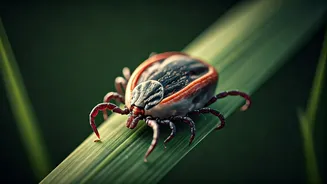






India’s Year-Round Tick Problem
Unlike countries with harsh winters that naturally cull parasite populations, India’s tropical and subtropical climate provides a year-round breeding ground for ticks. From the humid coastlines to the grassy parks in our cities, these arachnids thrive.
This isn't just a summer problem; it's a constant reality for our canine companions. Ticks don't just appear on stray dogs or in rural areas. Your pet can easily pick them up during a routine walk in the neighbourhood, a romp in the garden, or even from interacting with other pets. This constant exposure means that a one-time treatment is not enough; a consistent, long-term prevention strategy is non-negotiable for responsible pet ownership.
The Diseases Ticks Carry
A tick bite is not just an itchy spot. In India, ticks are vectors for a host of dangerous blood-borne diseases, often referred to as 'tick fever.' The most common and dangerous among these are Canine Ehrlichiosis and Babesiosis. These illnesses can lead to severe symptoms including high fever, lethargy, loss of appetite, pale gums, and even neurological issues or organ failure. Another prevalent condition is Hepatozoonosis, contracted when a dog ingests an infected tick. The symptoms can be subtle at first, often mimicking general sickness, which makes early diagnosis difficult. By the time severe signs appear, the disease may have already caused significant damage, making treatment complex, expensive, and emotionally draining for both the pet and the owner.
Your First Line of Defence: Modern Prevention
Thankfully, veterinary science offers several highly effective methods to protect your dog. These systems work by either repelling ticks, killing them on contact, or killing them after they bite but before they can transmit disease. The most common options include:
1. Spot-On Treatments: These are liquid medications applied directly to the skin, usually between the shoulder blades. They are absorbed and spread through the dog’s skin oils, providing protection for about a month. They are easy to apply and highly effective.
2. Oral Chewable Tablets: A popular and convenient option, these flavoured tablets are given to the dog once a month or once every three months, depending on the brand. The active ingredient circulates in the dog’s bloodstream, killing any tick that bites. They are mess-free and cannot be washed off by swimming or bathing.
3. Tick Collars: Medicated collars release active ingredients over a long period, often providing protection for several months. They can be a cost-effective, long-term solution, but their effectiveness can vary, and some dogs may have skin reactions to them.
Choosing the Right Method for Your Dog
With several options available, choosing the right one depends on your dog's specific needs and lifestyle. A consultation with your veterinarian is the most important step. Your vet will consider several factors: your dog's age, breed, and overall health; whether your dog swims or is bathed frequently (which might affect spot-on treatments); and your own ability to consistently administer medication. For example, a fussy eater might not be a good candidate for an oral tablet, while a family with small children might be advised against certain types of collars. Your vet can recommend a trusted brand and the correct dosage, ensuring your pet gets safe and effective protection.
Beyond Products: Environmental Control
While preventative medications are your primary shield, managing your dog's environment provides an essential secondary layer of defence. Ticks love tall grass, leaf piles, and dense shrubbery. Keep your lawn mowed, clear away leaf litter, and trim bushes in your garden to reduce tick habitats. Regularly wash your dog’s bedding, toys, and blankets in hot water to kill any ticks or eggs that may have been brought inside. After every walk, especially through grassy or wooded areas, perform a 'tick check.' Run your hands over your dog’s entire body, feeling for small bumps. Pay close attention to areas like the ears, between the toes, under the legs, and around the neck.