





The First Step: Wash Immediately
As soon as you get home, your first priority should be to wash your feet thoroughly. Rainwater on streets is often contaminated with everything from dirt and pollutants to animal waste, which can carry harmful bacteria like those causing leptospirosis.
Use a mild soap and lukewarm water, paying special attention to the spaces between your toes and the area around your nails, where dirt and germs love to hide. This simple act is your first line of defence against a wide range of potential skin infections.
Dry Thoroughly and Meticulously
Leaving moisture on your feet is an open invitation for fungal infections like athlete's foot. Fungi thrive in warm, damp environments, and the skin between your toes is a prime breeding ground. After washing, use a clean, dry towel and pat your feet dry completely. Don't rub aggressively, as this can irritate the skin. Make sure to dry every nook and cranny, especially between the toes. If you're prone to sweating, this step is doubly important.
Apply an Antiseptic and Check for Wounds
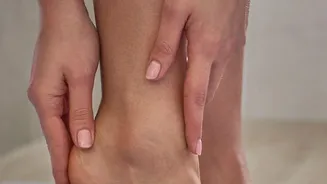
Stagnant water can hide sharp objects, and even tiny, unnoticed cuts or scrapes on your feet can become entry points for dangerous bacteria. Carefully inspect your feet for any breaks in the skin. If you find any, clean them gently and apply an antiseptic liquid or cream to disinfect the area. This helps prevent serious infections, including leptospirosis, which can enter the body through open wounds. Treating even minor injuries promptly is a critical part of monsoon foot care.
Use an Anti-Fungal Powder
To keep your feet dry and create an inhospitable environment for fungi, consider using an anti-fungal or absorbent talcum powder. After drying your feet, sprinkle a light dusting of powder, especially between the toes and on the soles. This helps absorb any lingering moisture and reduces friction, which can lead to blisters and skin irritation. For those who have a history of fungal infections, this is a non-negotiable step in their daily routine.
Manage Your Footwear Wisely
The shoes you wear matter. During the monsoon, opt for open footwear like sandals or floaters that allow water to drain and your feet to breathe. Avoid closed shoes made of leather or canvas, as they trap moisture and take a long time to dry, promoting bacterial growth. If your shoes do get wet, don't wear them the next day. Stuff them with newspaper to absorb moisture and allow them to air dry completely, ideally for at least 24 hours, before wearing them again. Rotating your footwear is a key strategy for preventing infections.
Know When to See a Doctor
While these preventive steps are highly effective, it's important to be aware of warning signs. If you develop persistent itching, redness, peeling skin, blisters, or a foul odour, you may have a fungal infection like athlete's foot. More serious symptoms like high fever, severe headaches, muscle pain (especially in the calves), and red eyes could indicate leptospirosis, particularly after exposure to floodwater. Do not self-medicate or ignore these signs. Consult a doctor for a proper diagnosis and treatment.