

Choose Your Backpack and Rain Cover Wisely
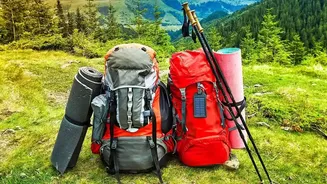
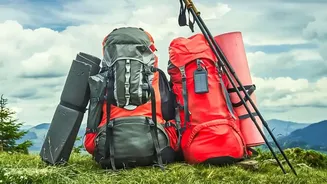
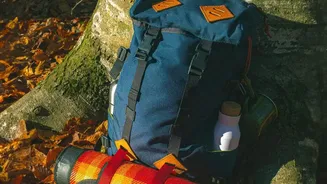
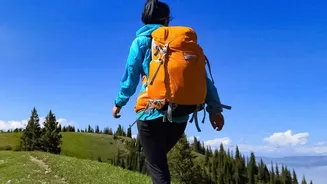
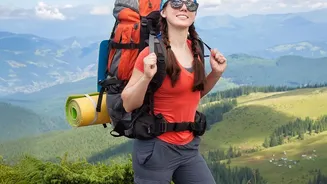
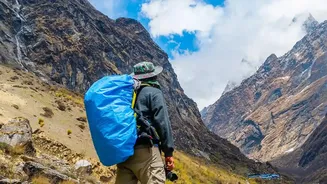
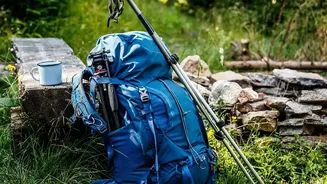
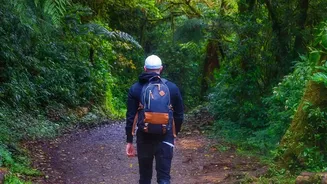
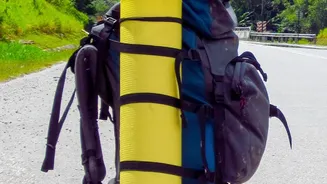
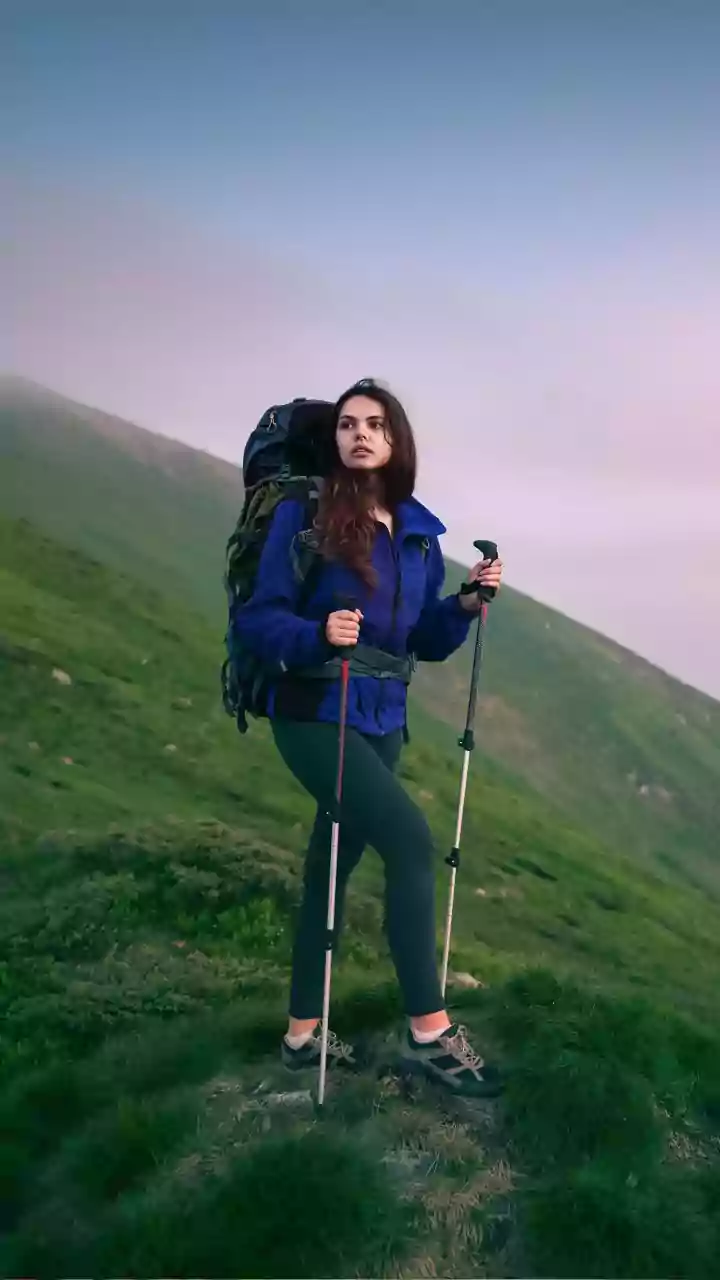
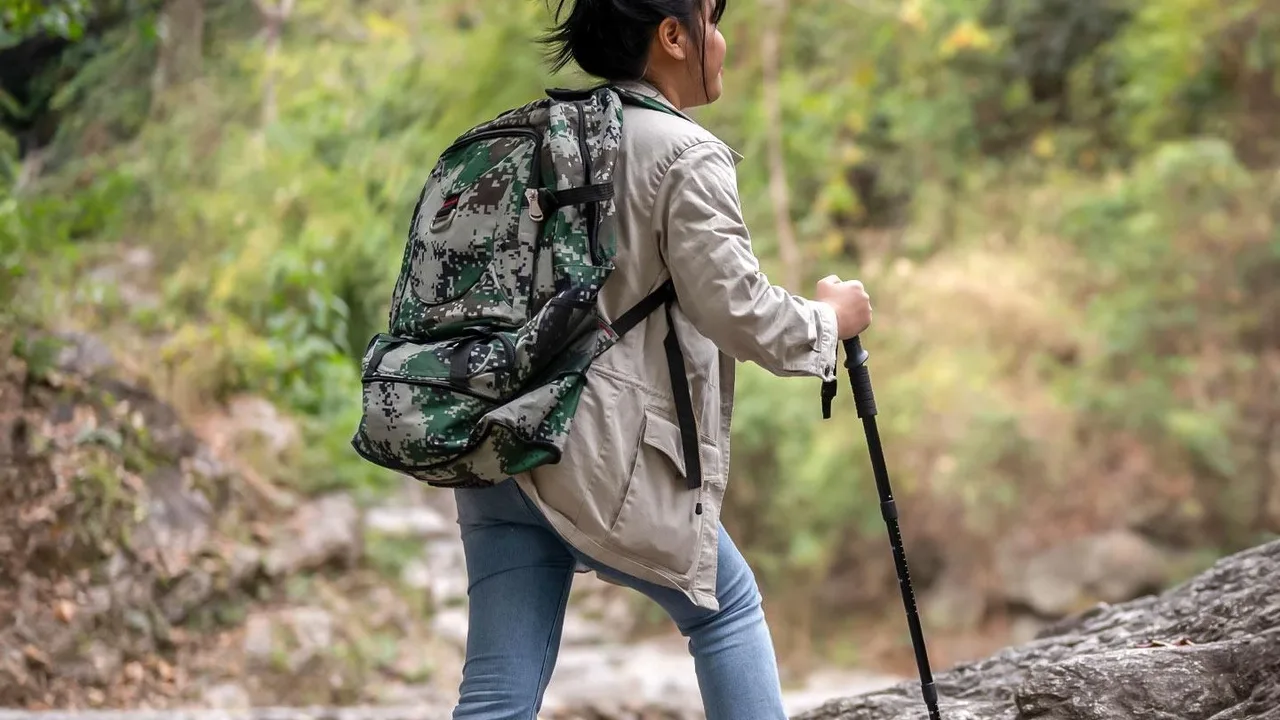
Your entire trekking experience hinges on a good backpack. For most one-day or two-day monsoon treks, a 20-40 litre backpack is sufficient. Anything larger encourages overpacking. Look for a lightweight model with comfortable, padded shoulder straps and
good back ventilation. Most importantly, it must be protected from the rain. While some bags are water-resistant, they are not waterproof. A dedicated rain cover is non-negotiable. For foolproof protection, line the inside of your pack with a large, heavy-duty plastic bag or use several smaller dry bags to compartmentalise your gear. This double-layer system ensures that even in a relentless downpour, your clothes, electronics, and food remain perfectly dry.
Master the Art of Layering with Quick-Dry Clothing
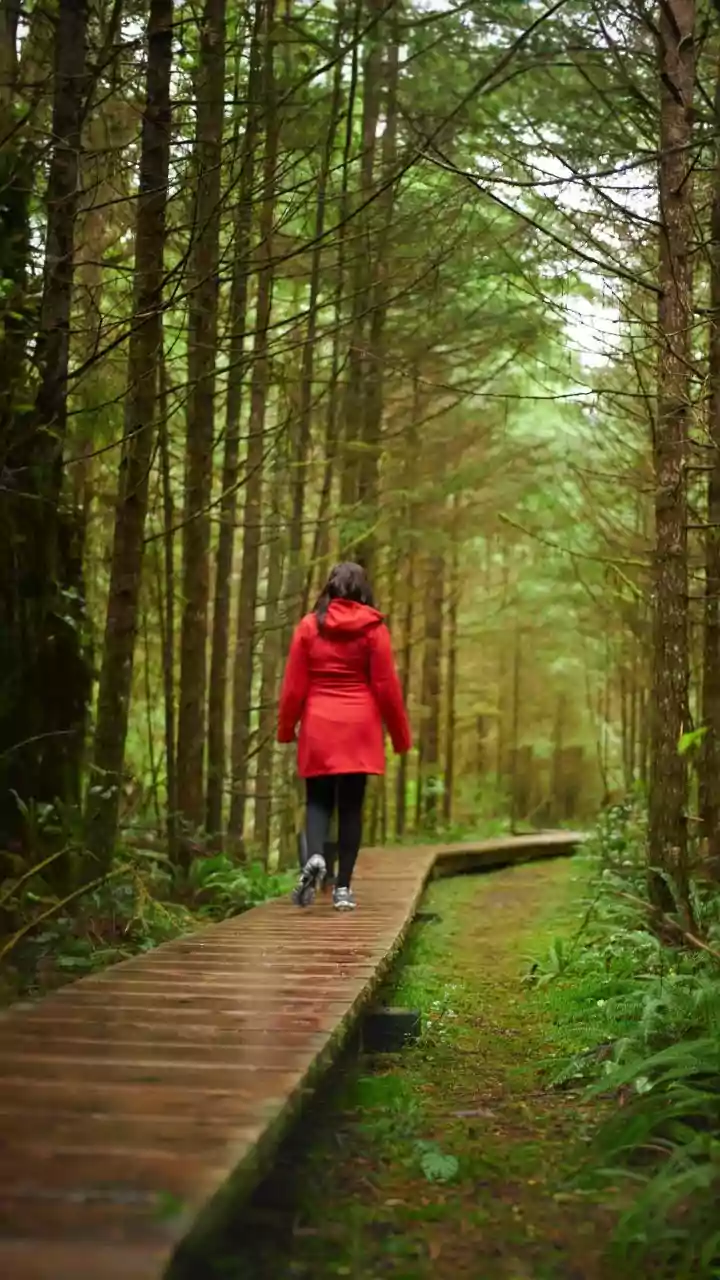
The golden rule of monsoon trekking attire is to avoid cotton at all costs. Cotton absorbs moisture, gets heavy, and takes a very long time to dry, increasing your risk of feeling cold and uncomfortable. Instead, opt for synthetic fabrics like polyester or nylon. Pack two to three quick-dry t-shirts and one pair of convertible or full-length trekking pants. Full-length pants offer better protection against leeches, insects, and scratches. Layering is key to managing your body temperature. A fleece jacket is a lightweight but warm mid-layer, perfect for chilly evenings or higher altitudes. Your outermost layer should be a reliable waterproof, breathable rain jacket or a poncho. A poncho offers the added benefit of covering both you and your backpack.
Prioritise Footwear with Excellent Grip
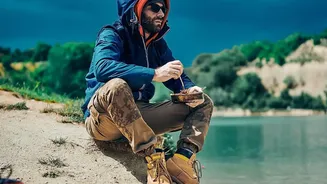
Your choice of footwear is arguably the most critical gear decision you will make. Monsoon trails in India, especially in the Western Ghats, are often rocky, muddy, and extremely slippery. Standard sports shoes or sneakers are dangerous as they lack the necessary grip. Invest in a pair of trekking shoes with deep lugs and an aggressive rubber outsole for maximum traction. While waterproof shoes sound ideal, they can sometimes trap water inside if it gets in over the top. An alternative is to use non-waterproof, quick-drying shoes with waterproof socks. This combination allows water to drain out while keeping your feet dry. Always pack at least two pairs of synthetic or wool-blend socks to avoid blisters caused by moisture.
Don't Compromise on Health and Safety
A first-aid kit is essential on any trek, but the monsoon requires a few specific additions. Your kit should include basics like bandages, antiseptic wipes, and pain relievers. For the monsoon, add an anti-fungal powder to prevent skin issues in the damp conditions. Due to the prevalence of leeches in many trekking regions during the rains, carry leech socks or a small bottle of salt or sanitiser to help remove them. Insect repellent is also crucial. Carry water purification tablets or a portable water filter to ensure your drinking water is safe. A headlamp or torch with extra batteries is a must-have, as you can't rely on your phone's flashlight.
Protect Your Electronics and Valuables
Water and electronics are a bad mix. To protect your phone, camera, and power bank, use waterproof dry bags or multiple layers of zip-lock bags. These provide a reliable barrier against moisture and are a lightweight solution. A power bank is essential for keeping your devices charged, especially if you're using your phone for navigation, but make sure it’s also kept in a waterproof pouch. It's also wise to carry a physical copy of your ID and any necessary permits in a sealed plastic bag, just in case your digital copies become inaccessible.
Pack Smart, Not More
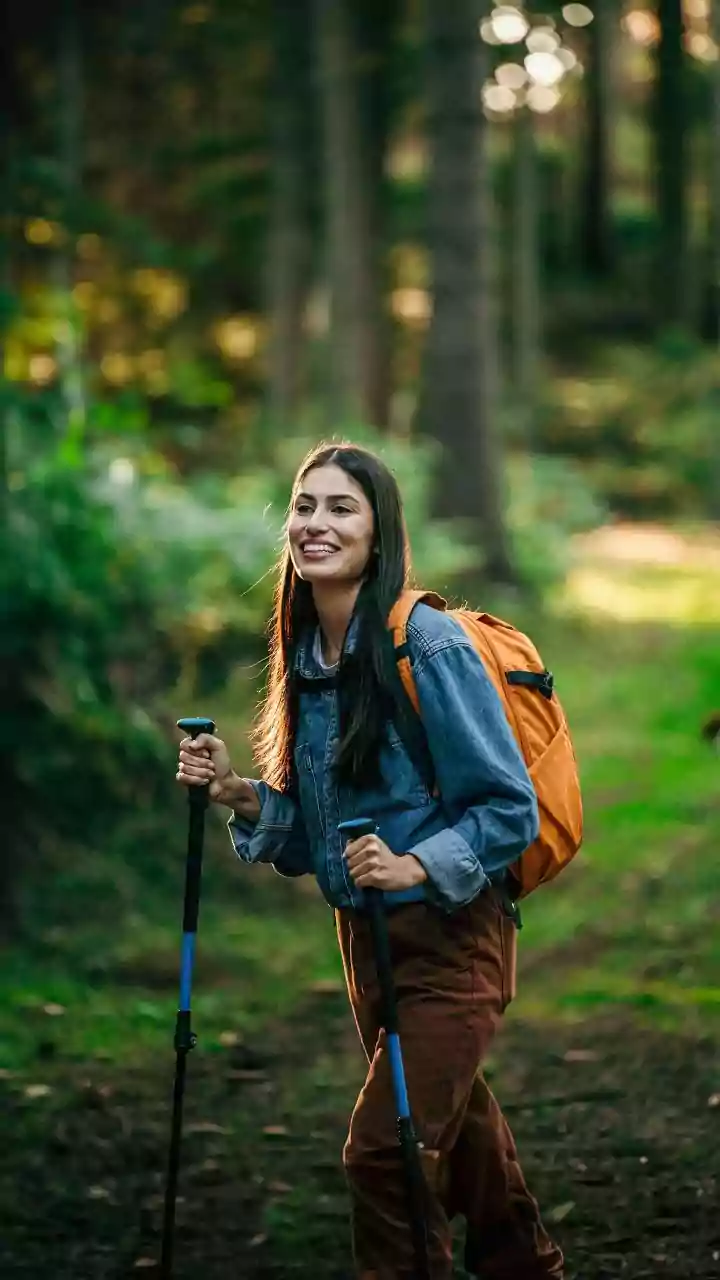
A few small items can make a huge difference in your comfort. A sun cap or a brimmed hat might seem counterintuitive for a rainy trek, but it’s a brilliant hack. Worn under your raincoat's hood, the brim keeps rain from dripping onto your face and obscuring your vision. A quick-dry towel is much lighter and more practical than a regular cotton one. Trekking poles can provide extra stability on slippery descents and reduce the strain on your knees. Finally, pack high-energy snacks like nuts, dates, and energy bars to fuel you on the trail.