

The Soul of Comfort Food
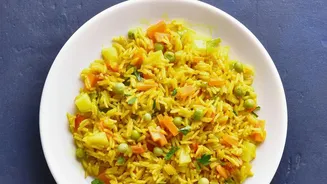
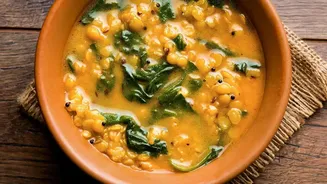
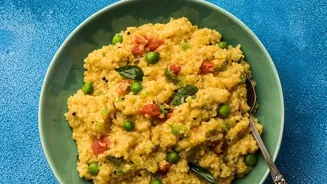
Across India, the combination of dal and rice is more than just a meal; it's a feeling of home. Known by many names like Khichdi, Pongal, or simply Dal Rice, this dish is the epitome of comfort. It’s the first food for babies, the restorative meal when
you're unwell, and the quick, satisfying dinner after a long day. The beauty of this one-pot wonder lies in its simplicity and its incredible capacity for nourishment. Combining lentils and rice creates a complete protein, providing all the essential amino acids your body needs. It's a balanced, easily digestible meal that has sustained generations.
Choosing Your Core Ingredients
The flexibility of this dish is its greatest strength. There's no single 'correct' recipe, only a template to make your own. For the dal, quick-cooking varieties like split yellow moong dal or red lentils (masoor dal) work beautifully, creating a creamy texture. For more bite, you can use toor (arhar) dal or even a mix. For rice, any medium-grain variety is a good choice; avoid basmati if you prefer a softer, more integrated consistency. The ratio is typically equal parts dal and rice, but you can adjust this based on your preference for a more lentil-heavy or rice-forward dish.
Embracing Seasonal Greens
The addition of seasonal greens elevates this simple dish from just comforting to deeply nutritious. The 'right' green is simply what's fresh and available. During winter, markets are abundant with spinach (palak), fenugreek (methi), and mustard greens (sarson). In the monsoon, you might find amaranth leaves (chaulai) or even foraged greens like water spinach (kalmi saag). These greens are packed with iron and vitamins, adding flavour, colour, and a host of health benefits. Don’t be afraid to experiment; finely chopped radish greens or even beet greens can add a unique, delicious twist.
The One-Pot Method: A Simple Guide
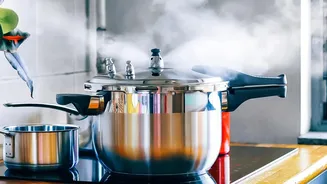
Cooking this meal is a sequential process designed for ease. A pressure cooker is ideal, but a heavy-bottomed pot works well too. 1. The Foundation (Tadka): Start by heating a tablespoon of ghee or oil. Add cumin seeds and let them splutter. A pinch of asafoetida (hing) adds a savoury depth and aids digestion. 2. The Aromatics: Add finely chopped onion, ginger, and garlic. Sauté for a few minutes until the onions soften. You can also add a slit green chilli for a hint of heat. 3. Spices and Vegetables: Stir in a pinch of turmeric powder and red chilli powder. If you're adding any harder vegetables like carrots or potatoes, add them now and sauté for a minute. 4. Dal, Rice, and Greens: Add your rinsed dal and rice to the pot. Stir everything together. Now, tip in your washed and chopped greens. They will look like a lot, but they'll wilt down in seconds. 5. Cook to Perfection: Add water—a general rule is about 3-4 times the volume of your dal and rice mixture, depending on your desired consistency. Add salt, stir well, and lock the pressure cooker. Cook for about 3-4 whistles on medium heat. If using a pot, bring to a boil, then cover and simmer on low heat until the dal and rice are completely soft, about 20-25 minutes, stirring occasionally.
Serving and Variations
This one-pot meal is perfect as is, but serving it with a dollop of ghee on top is non-negotiable for many. It also pairs wonderfully with plain yogurt, a crunchy papad, and a spoonful of your favourite pickle. For variations, consider adding other vegetables like peas, cauliflower, or bottle gourd (lauki) along with the onions. You can also make regional versions, like the slightly tangy Gujarati kadhi-khichdi or the pepper-spiced South Indian Pongal. The goal is to make it your own, a reliable and comforting meal you can turn to anytime.