



Sandhan Valley, Maharashtra
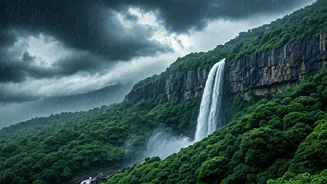
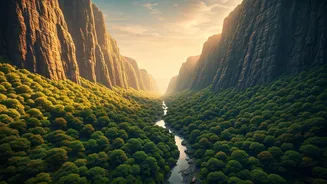
Often called the ‘Grand Canyon of Maharashtra’, Sandhan Valley is not a traditional valley but a spectacular water-carved canyon. Located in the Bhandardara region near the historic Ratangad fort, this geological marvel offers one of the most unique and challenging
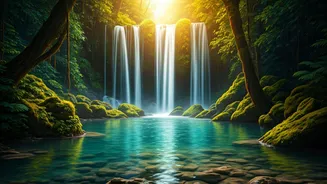
treks in the Western Ghats. For most of the year, the gorge is a narrow channel of rock, about two kilometres long, with walls rising over 150 feet on either side. The trek involves descending through this chasm, which requires rappelling at several points and wading through waist-deep water in the post-monsoon season. What makes Sandhan truly ‘alternative’ is its immersive nature; you are not looking at a valley from a viewpoint but journeying through its very heart. The experience is a thrilling combination of adventure sports and natural exploration, revealing a side of the Sahyadri mountains that feels raw, ancient, and profoundly dramatic.
Silent Valley National Park, Kerala
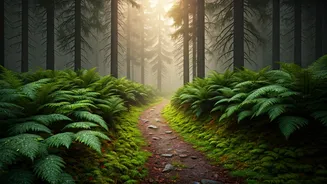
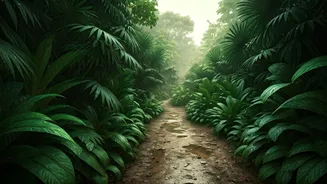
Silent Valley is less a destination for casual sightseeing and more a pilgrimage into one of the last undisturbed tracts of tropical evergreen rainforest in India. Situated in the Nilgiri Hills, this protected area is the core of the Nilgiri Biosphere Reserve. Its name is said to come from the relative absence of the noisy cicadas that populate many other forests. The valley is a cradle of biodiversity, home to the endangered lion-tailed macaque and hundreds of species of flora and fauna, many endemic to the region. Access is strictly controlled by the Forest Department to preserve its pristine state. Visitors are taken in designated vehicles to a viewpoint overlooking the Kuntipuzha River, which flows through the valley without any dams. This isn't a landscape of easy thrills but one of deep, quiet majesty—an alternative for those who seek to witness nature in its purest form.
Sharavathi Valley, Karnataka
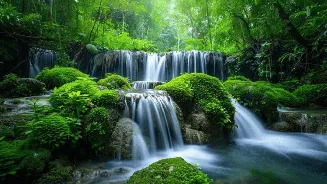
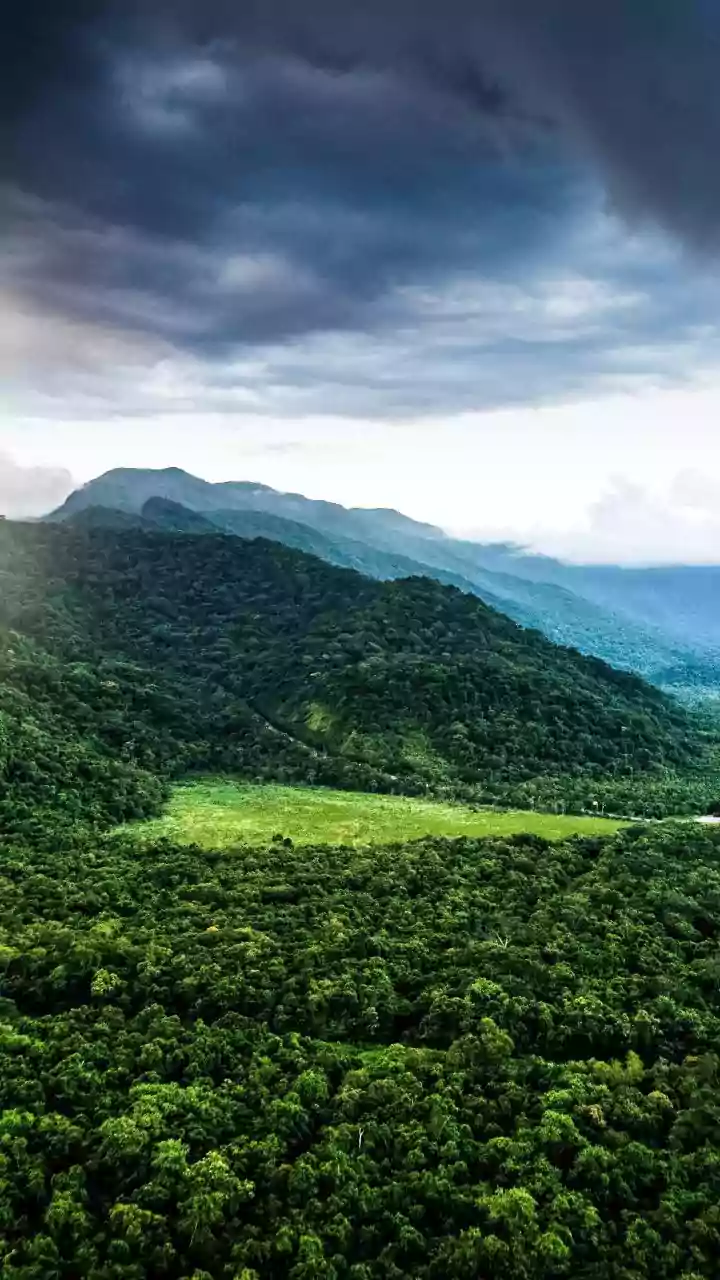
The Sharavathi River, famous for creating the magnificent Jog Falls, carves out a lush, expansive valley in the heart of Karnataka. The Sharavathi Valley Wildlife Sanctuary encompasses this rich ecosystem, characterised by dense evergreen and semi-evergreen forests, sprawling reservoirs, and hidden waterfalls. Unlike the tight confines of a canyon, this is a landscape of grand, sweeping vistas. The backwaters of the Linganamakki Dam have created a network of shimmering lakes and islands, accessible by local ferries or coracles. It’s an ideal landscape for birdwatchers, trekkers, and anyone looking to disconnect. The region is home to rare species like the hornbill and the Malabar giant squirrel. Exploring the Sharavathi Valley offers a chance to see the harmonious, albeit complex, relationship between a river, its forests, and the human settlements that depend on its flow.
Valparai, Tamil Nadu
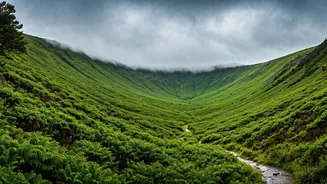
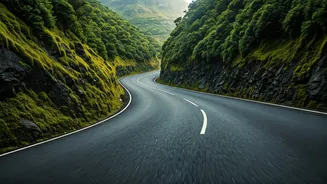
While technically a hill station, the landscape of Valparai is defined by the deep, forest-clad valleys that surround it. Located in the Anamalai Hills, this region offers a stunning mosaic of rolling tea plantations interspersed with patches of shola forests. The drive up to Valparai itself, with its 40 hairpin bends, provides jaw-dropping views of the Aliyar Dam and the plains below. What makes it an alternative destination is its relative tranquility compared to Ooty or Kodaikanal. Here, the manicured tea gardens are not just a backdrop but an active part of a landscape where wild elephants, gaurs, and leopards still roam. You can stay in colonial-era bungalows, explore the verdant estates, and watch as mist rolls in from the valleys, swallowing the scenery in a matter of minutes. It is a man-altered landscape, but one that retains a powerful and wild beauty.