


The New Kitchen Conversation
The questions being asked in many Indian kitchens are changing. It's less about following a recipe to the letter and more about, 'How can we make this healthier?' A generation of young adults, influenced by a global wellness movement and increased health literacy,
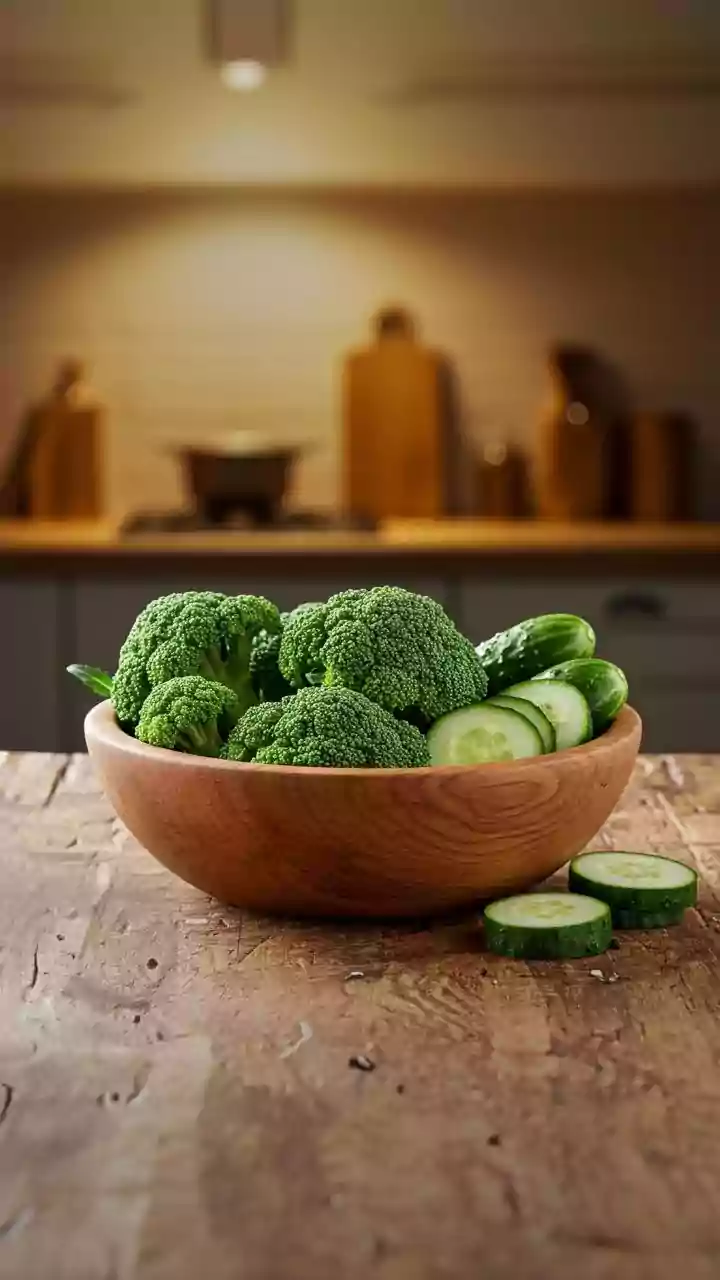
is looking at their parents' and grandparents' cooking with new eyes. They aren't abandoning the dals, curries, and sabzis they grew up with. Instead, they are tweaking them. The focus has zoomed in on two key macronutrients: protein and fibre. This shift is driven by a desire for better energy levels, fitness results, and long-term health, moving beyond just weight loss to overall well-being. Traditional Indian diets, while rich in many nutrients, can often be heavy on carbohydrates and fats. This new generation is actively seeking to rebalance the plate.
Why the Sudden Shift?
Several factors are fuelling this nutritional rethink. The post-pandemic era saw a massive spike in health consciousness across India. Coupled with the rise of lifestyle diseases, many young people are turning to preventive healthcare, which starts with food. Social media is another powerful driver, with fitness influencers and nutritionists making complex concepts like macronutrients accessible to millions. This has created a more informed consumer base that understands the link between diet and outcomes like better skin, hair, energy, and focus. For Gen Z and millennials, protein is no longer just for bodybuilders; it's a daily wellness essential. This awareness is prompting a move away from highly processed meals and a renewed appreciation for the nutritional value that can be unlocked from traditional ingredients.
Old Recipes, New Twists
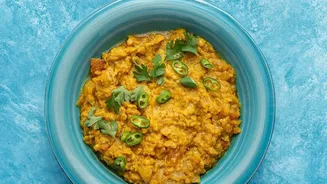
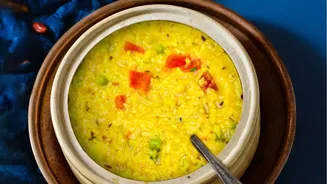
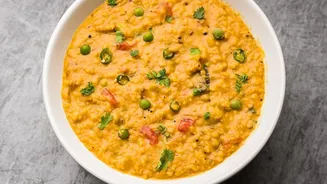
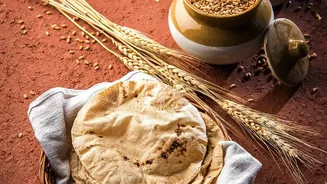
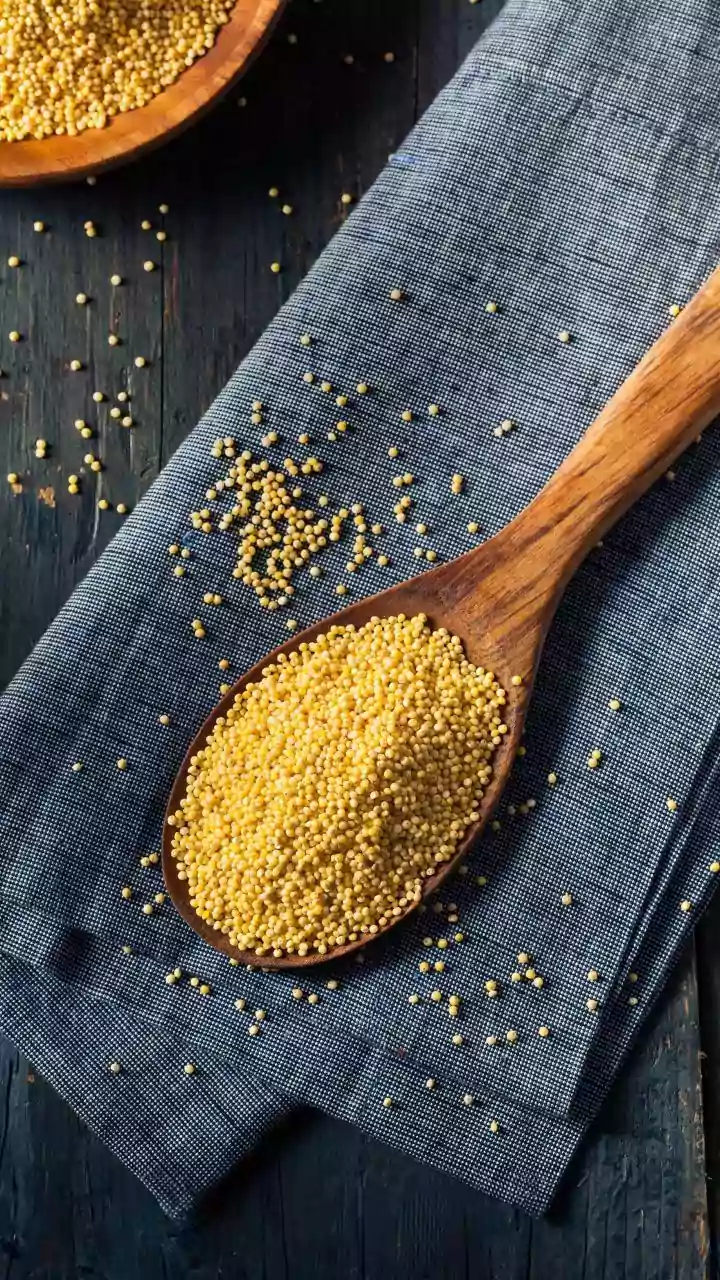
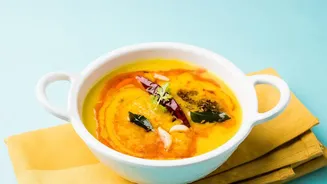
This trend is not about replacing Indian food with salads and shakes; it's about smart evolution. A regular poha breakfast might now include sprouted moong or roasted peanuts for extra protein. Aloo parathas are being reimagined with fillings of paneer, sattu, or mashed rajma. White rice is often swapped for brown rice or quinoa, which offer more fibre and plant-based protein. The revival of millets like jowar, bajra, and ragi is a major part of this story. Once considered humble grains, they are now celebrated for being high in fibre and having a low glycemic index, making them a popular substitute for wheat in rotis and dosas. Even classic curries are getting a makeover. Soya chunks, a protein powerhouse, are finding their way into vegetable curries, and dals are being fortified by mixing multiple types of lentils or adding vegetables like spinach.
The Market Catches On
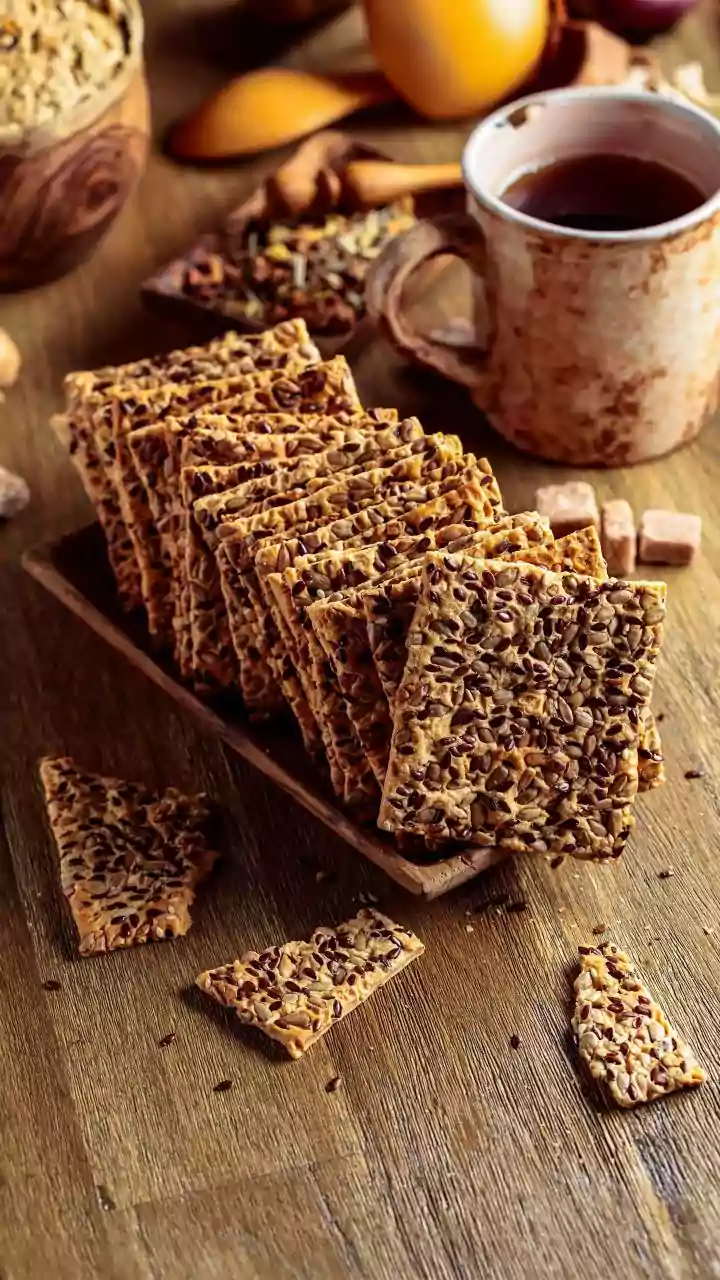
The food industry has been quick to respond to this growing demand. The Indian health and wellness market is expanding rapidly, projected to reach over USD 257 billion by 2034. This growth is largely driven by younger consumers seeking functional foods that offer benefits beyond basic nutrition. Supermarket shelves now feature a wide array of high-protein and high-fibre products. This includes everything from plant-based protein powders designed to be mixed into atta or dal to millet-based noodles, dosa batters, and breakfast cereals. Brands are innovating with snacks that are both healthy and traditional, like roasted chana and makhana, positioning them as superior alternatives to fried snacks. This commercial response makes it easier for busy young professionals to stick to their nutritional goals without spending hours on meal prep.
An Evolution, Not a Rejection
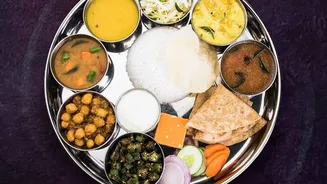
It's easy to mistake this trend as a rejection of traditional food culture. However, most see it as a form of preservation through adaptation. By modifying recipes to align with modern health knowledge, young Indians are ensuring that home-cooked meals remain relevant and central to their lifestyle. It's about taking the wisdom of the past—the use of diverse pulses, seasonal vegetables, and ancient grains—and enhancing it with a contemporary understanding of nutrition. This synthesis allows them to enjoy the comforting flavours of their childhood while actively managing their health. The goal isn't to eat less Indian food, but to eat Indian food better, ensuring that the legacy of the home kitchen continues to nourish future generations in every sense of the word.